
What Factors Affect the Cost of Custom Metal Etching Projects?
Custom metal etching, also known as photo chemical etching or precision metal etching, is widely used to produce thin, complex, burr-free metal components. It is suitable for precision metal mesh, shims, electronic components, shielding parts, filters, speaker grilles, springs, nameplates, and mechanical structures.
Unlike stamping, laser cutting, or CNC machining, metal etching uses chemical processing and photo tooling to create detailed metal features without mechanical stress. This makes it cost-effective for prototypes, design iterations, and scalable production. However, the final cost still depends on several design and manufacturing factors.
Below are the most important factors that affect the cost of custom metal etching projects.
1. How Does Material Type Affect Metal Etching Cost?
Material is one of the first cost factors. Different metals have different raw material prices, etching speeds, handling requirements, and finishing needs.
Common materials for custom etched parts include stainless steel, copper, brass, nickel, aluminum, molybdenum, and specialty alloys. Stainless steel is often used for strength and corrosion resistance. Copper and copper alloys are common for conductive parts. Nickel alloys may be selected for battery components, springs, and high-performance electronics.
If a project requires rare alloys, tight material certification, special hardness, or imported sheet stock, the cost will usually increase. To reduce cost, engineers should specify the exact material grade only when it is functionally necessary.
2. Why Does Material Thickness Matter?
Material thickness directly affects etching time, minimum feature size, tolerance capability, and production yield. Thicker materials require more etching time and may need larger holes, wider slots, and stronger bridge widths.
Thin metal sheets are generally easier to etch with fine details. Thick materials can still be etched, but the process may become slower and more demanding.
As a practical design rule, very small holes, narrow slots, and thin webs should be reviewed carefully when the material thickness increases. If the selected thickness is stronger than necessary, switching to a thinner sheet may reduce cost and improve manufacturability.
3. How Does Part Size Influence the Price?
Larger parts use more material and occupy more space on the production sheet. This affects material consumption, sheet utilization, processing capacity, and packaging cost.
Small parts can often be nested efficiently on one sheet, which reduces waste and improves production efficiency. Large parts or irregular shapes may leave more unused material between components.
To control cost, engineers should consider whether the part outline can be optimized for better nesting without affecting function.
4. Does Design Complexity Increase Cost?
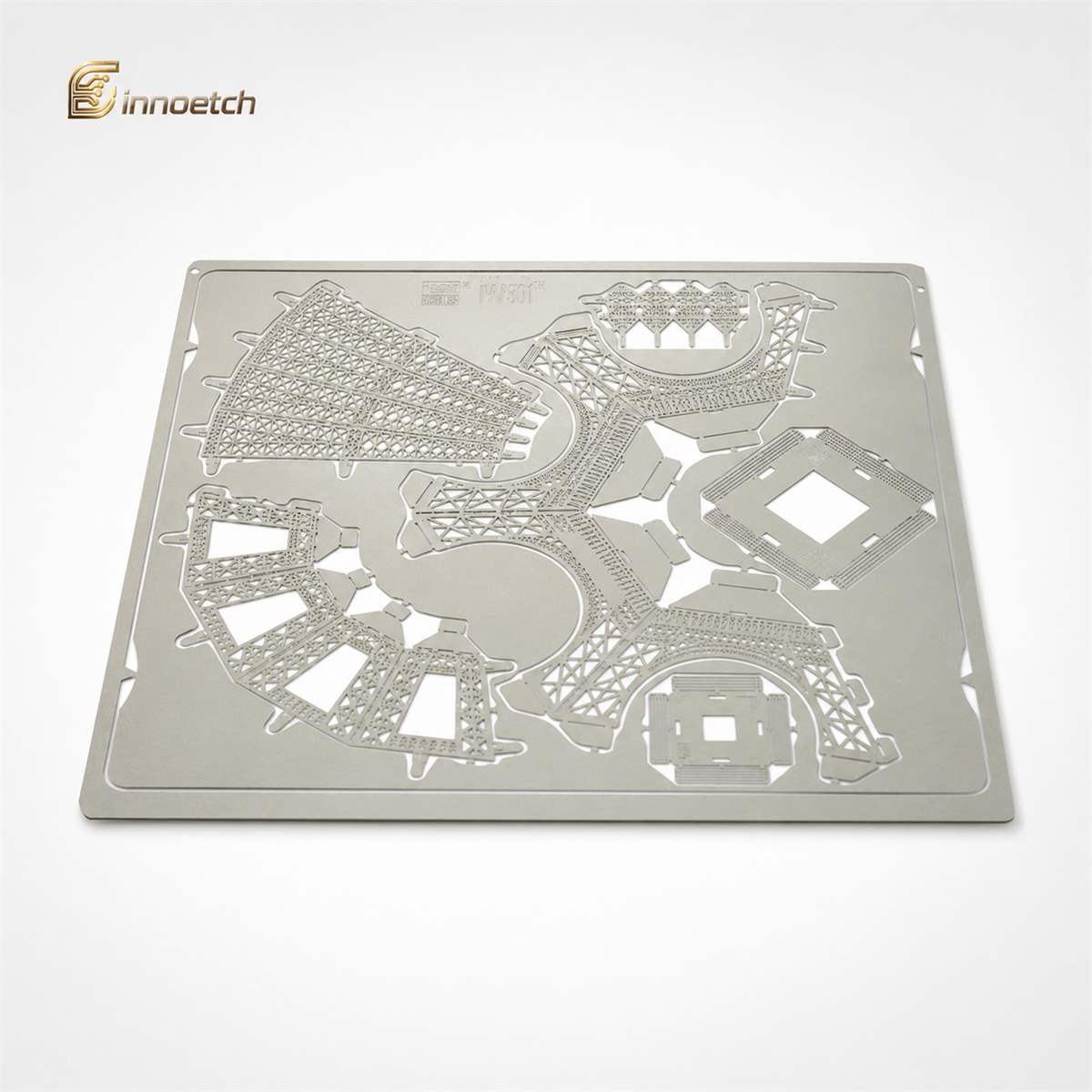
Yes. Design complexity is a major cost driver in custom metal etching. Parts with dense holes, fine mesh, narrow slots, complex contours, half-etched areas, or multiple critical features require more engineering review and process control.
Examples of complex etched parts include:
- High-density filter mesh
- Speaker grilles with fine hole patterns
- Precision shims with tight openings
- Electronic contacts with narrow features
- Shielding components with bend lines
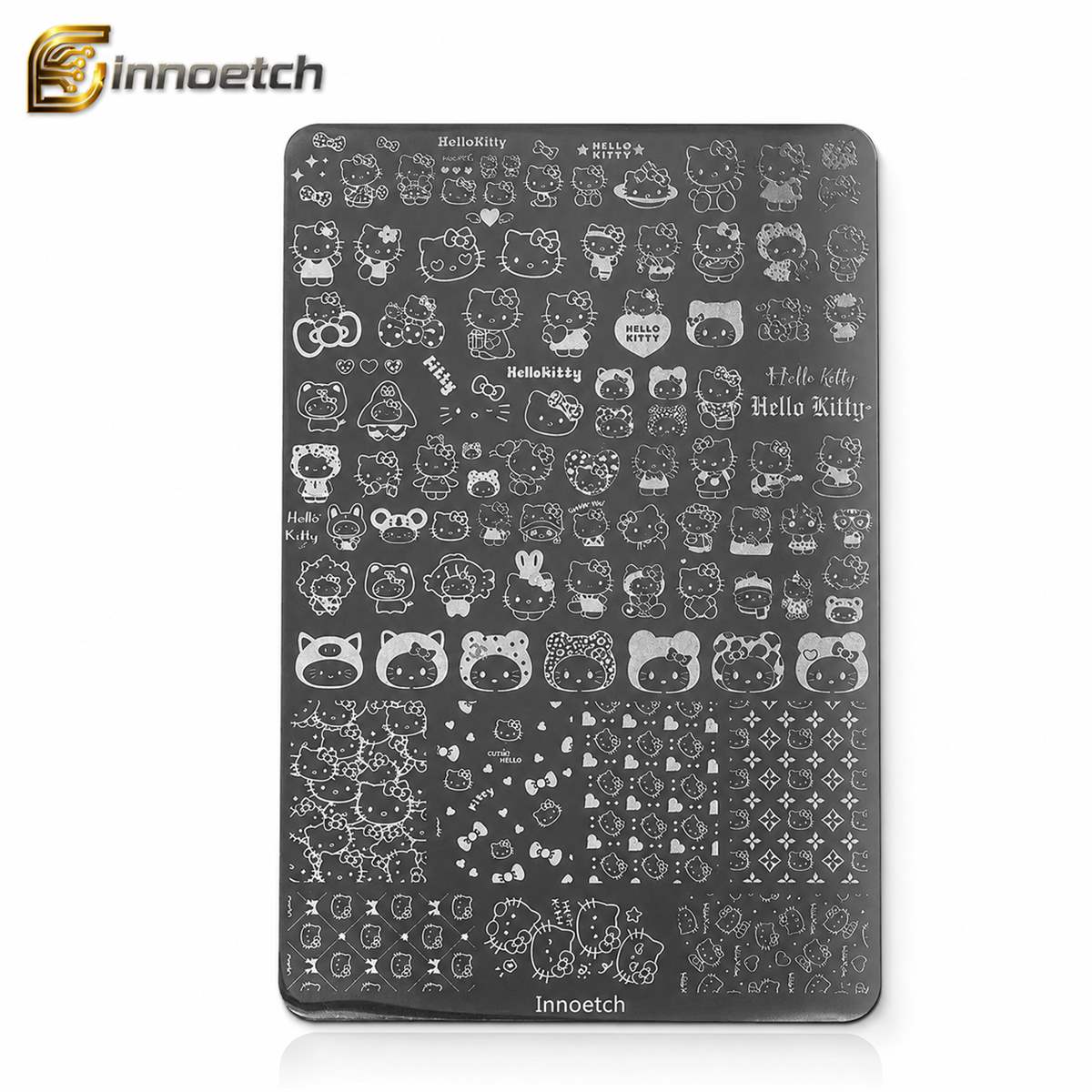
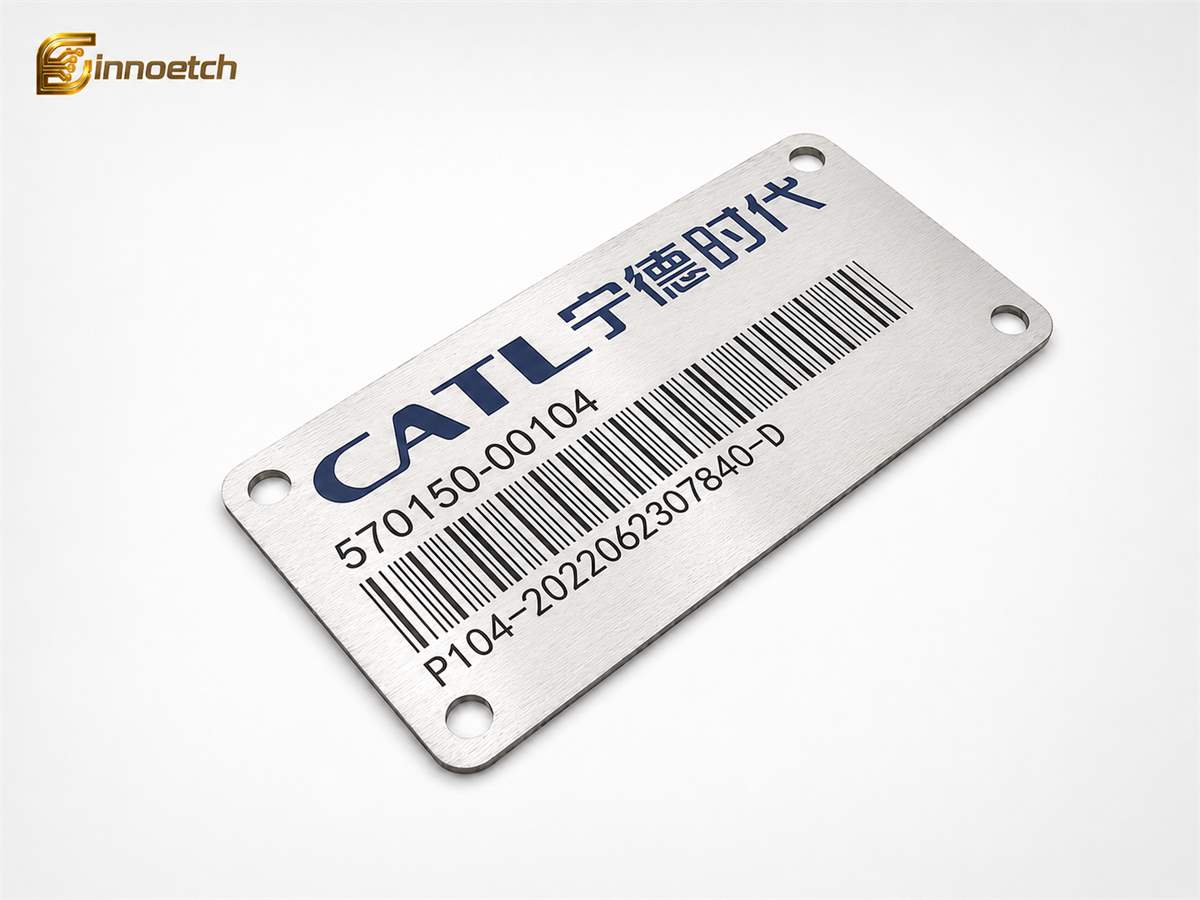
- Decorative parts with logos or textures
Complexity does not always make etching expensive, because photo etching can process many detailed features at once. However, very fine or fragile features may increase inspection requirements and reduce yield.
5. How Do Tolerances Affect Custom Metal Etching Cost?
Tighter tolerances usually increase cost because they require more process control, inspection, and sometimes additional engineering adjustment.
Not every dimension needs the tightest tolerance. A functional hole, assembly slot, contact area, or sealing surface may require strict control, while a non-critical outer edge may not.
The best approach is to separate dimensions into critical, functional, reference, and non-critical dimensions. This helps the manufacturer control the features that truly affect performance while keeping the project cost reasonable.
6. How Does Order Quantity Affect Unit Cost?
Quantity has a strong impact on unit price. Prototype orders usually have a higher unit cost because engineering review, tooling preparation, setup, and inspection are spread over fewer parts.
As production quantity increases, setup and tooling costs are distributed across more parts, which usually lowers the unit price.
Photo chemical etching is especially useful because it supports both prototype development and mass production. This allows engineers to test designs before committing to high-volume manufacturing.
7. Do Tooling and Setup Costs Affect the Quote?
Yes. Custom metal etching typically requires digital artwork, photo tooling, process setup, and engineering review. These costs are usually much lower than hard stamping dies, but they still affect the initial project cost.
Tooling cost may increase when the part requires very high precision, double-sided alignment, front-and-back half-etching, or multiple design revisions.
Providing clean CAD files and complete technical drawings can reduce setup time and help avoid unnecessary tooling changes.
8. How Do CAD Drawing Quality and File Preparation Affect Cost?
Incomplete or unclear drawings often increase quotation time and engineering cost. Common issues include missing material thickness, unclear tolerances, open contours, duplicate lines, mixed units, raster images instead of vector files, and undefined half-etched features.
For faster and more accurate quotation, engineers should provide:
- DXF, DWG, STEP, AI, or vector PDF files
- A fully dimensioned PDF drawing
- Material grade and thickness
- Tolerance requirements
- Quantity
- Surface finish requirements
- Critical dimensions
- Revision number
Clear drawings reduce back-and-forth communication and help the manufacturer evaluate cost more accurately.
9. Do Half-Etched Features Add Cost?
Half-etched features can add cost because they require controlled etching depth and accurate side definition. These features are commonly used for bend lines, logos, part numbers, recessed areas, grooves, channels, and decorative textures.
If half-etching is needed, the drawing should clearly define whether the feature is on the front side, back side, or both sides. It should also specify the depth or remaining material thickness if that dimension is functional.
Unclear half-etched features can cause delays, rework, or sampling issues.
10. How Do Bending and Forming Requirements Affect Cost?
If a part must be supplied flat, the cost is usually lower. If it requires bending, forming, or spring performance, additional tooling, labor, inspection, and packaging may be needed.
Bending and forming cost depends on bend angle, bend radius, material temper, bend line design, and final dimensional requirements.
For parts such as shields, clips, brackets, springs, and contacts, engineers should provide both the flat pattern and final formed shape.
11. How Do Surface Finish and Post-Processing Affect Cost?
Surface treatment and post-processing can significantly affect the final price. Common post-processing options include passivation, plating, polishing, cleaning, heat treatment, forming, and special packaging.
For decorative parts, nameplates, speaker grilles, filters, and electronic components, surface quality may be just as important as dimensional accuracy.
If a part requires gold plating, nickel plating, blackening, corrosion resistance, high cleanliness, or cosmetic inspection, these requirements should be stated early so they can be included in the quote.
12. How Do Inspection and Quality Requirements Affect Cost?
Stricter inspection requirements can increase cost, especially for high-precision parts, medical components, semiconductor parts, electronic components, or safety-related applications.
Inspection cost may be affected by:
- Dimensional inspection method
- Sampling plan
- Critical feature count
- Surface inspection standard
- Material certification
- First article inspection
- Batch traceability
- Special packaging requirements
INNOETCH emphasizes strict quality control and ISO 9001 certified precision metal etching, which is important for customers who require consistent batch production.
13. How Can Engineers Reduce Custom Metal Etching Cost?
Engineers can reduce cost by designing parts with manufacturability in mind.
Useful cost-saving tips include:
- Use standard material grades and thicknesses where possible
- Avoid unnecessary tight tolerances
- Mark only truly critical dimensions
- Keep bridge widths strong enough for handling
- Optimize part layout for sheet utilization
- Provide clean vector CAD files
- Confirm quantity and application early
- Review half-etched and formed features before tooling
- Discuss DFM feedback before sampling
The lowest-cost design is not always the cheapest-looking drawing. The best design is one that balances function, yield, inspection, and stable production.
Conclusion
The cost of custom metal etching projects is affected by material, thickness, part size, design complexity, tolerances, order quantity, tooling, CAD file quality, half-etching, forming, surface finish, and inspection requirements.
By understanding these factors early, engineers and buyers can prepare better drawings, avoid unnecessary cost, and receive more accurate quotations. Working with an experienced precision metal etching manufacturer such as INNOETCH helps improve manufacturability, shorten development time, and support reliable production from prototype samples to mass production.



Related Articles
How Can Dimensional Accuracy Be Improved in Custom Etched Metal Parts?
Explains how to improve etched part accuracy through clear drawings, material control, compensation design, inspection, ...
Jun 13, 2026How Does the Photo Etching Process Work from Prototype to Mass Production?
Outlines the photo etching workflow from CAD review and tooling to sample validation, process control, and mass producti...
Jun 13, 2026Why Is Photo Etching Suitable for Prototype Metal Parts?
Shows why photo etching supports metal prototypes through low tooling cost, fast design changes, fine features, and scal...
Jun 13, 2026When Is Chemical Etching Better for Thin Metal Parts Manufacturing?
Explains when chemical etching is best for thin metal parts with complex shapes, fine holes, low stress, and flexible pr...
Jun 13, 2026What Factors Affect the Cost of Custom Metal Etching Projects?
Explains metal etching cost factors including material, thickness, tolerance, panel use, surface finish, quantity, and i...
Jun 13, 2026