
When Is Chemical Etching Better for Thin Metal Parts Manufacturing?
Chemical etching, also known as photo chemical etching, photochemical machining, or precision metal etching, is a manufacturing process used to create accurate features in thin sheet metal. Instead of using cutting tools, dies, or high heat, the process uses photoresist and chemical etchant to remove selected areas of metal.
For many thin metal components, chemical etching offers clear advantages over stamping, laser cutting, wire EDM, and CNC machining. It can produce complex geometries, fine openings, and burr-free edges without introducing mechanical stress into the part.
Below are the situations where chemical etching is often the better choice for thin metal parts manufacturing.
1. When the Metal Part Is Thin and Requires Fine Detail
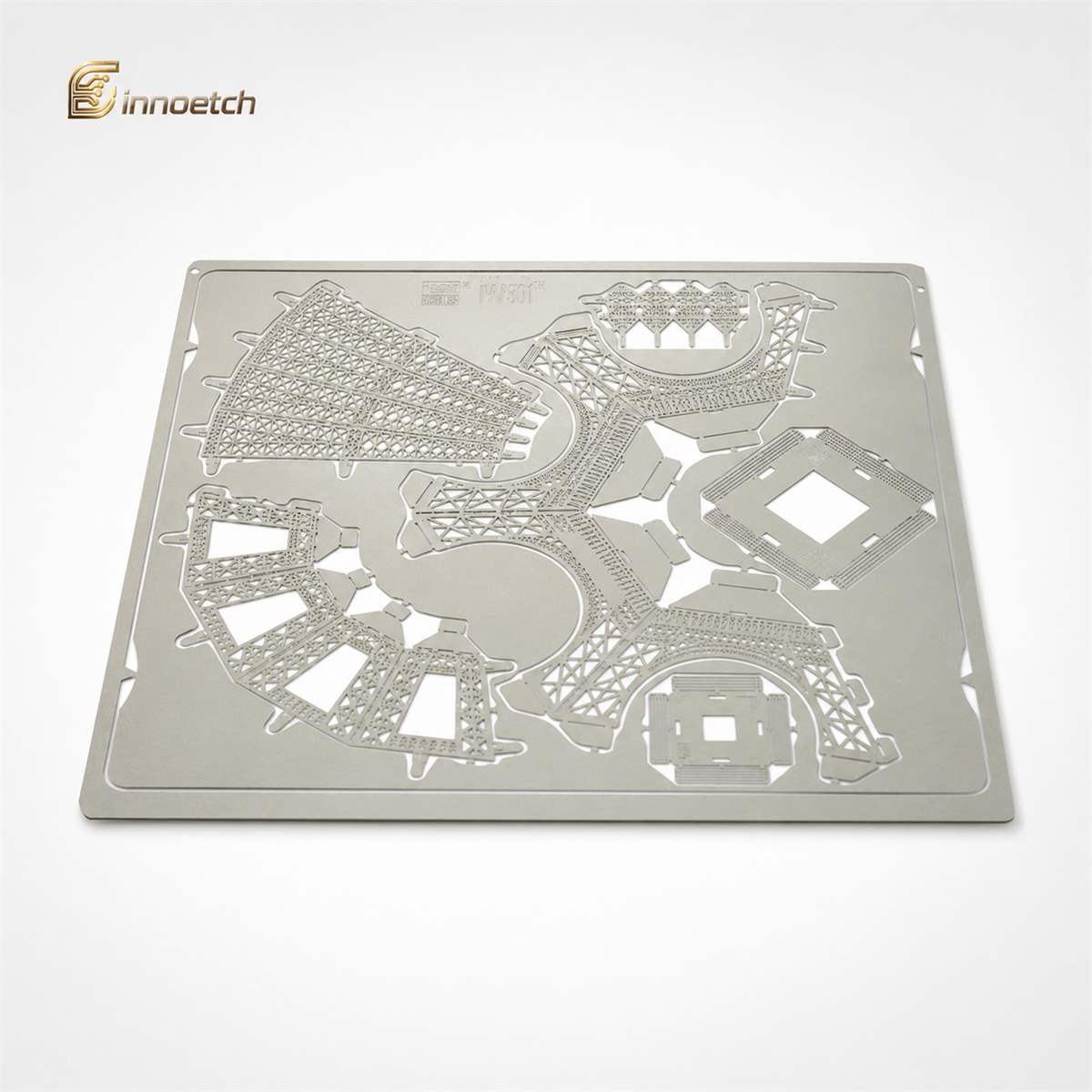
Chemical etching is especially suitable for thin metal sheets. Fine holes, narrow slots, micro patterns, sharp profiles, and complex openings are easier to produce when the material is thin.
Common thin metal parts made by chemical etching include:
- Precision metal mesh
- Metal filters
- Speaker grilles
- Precision shims
- EMI shielding parts
- Battery components
- Electronic contacts
- Springs and elastic elements
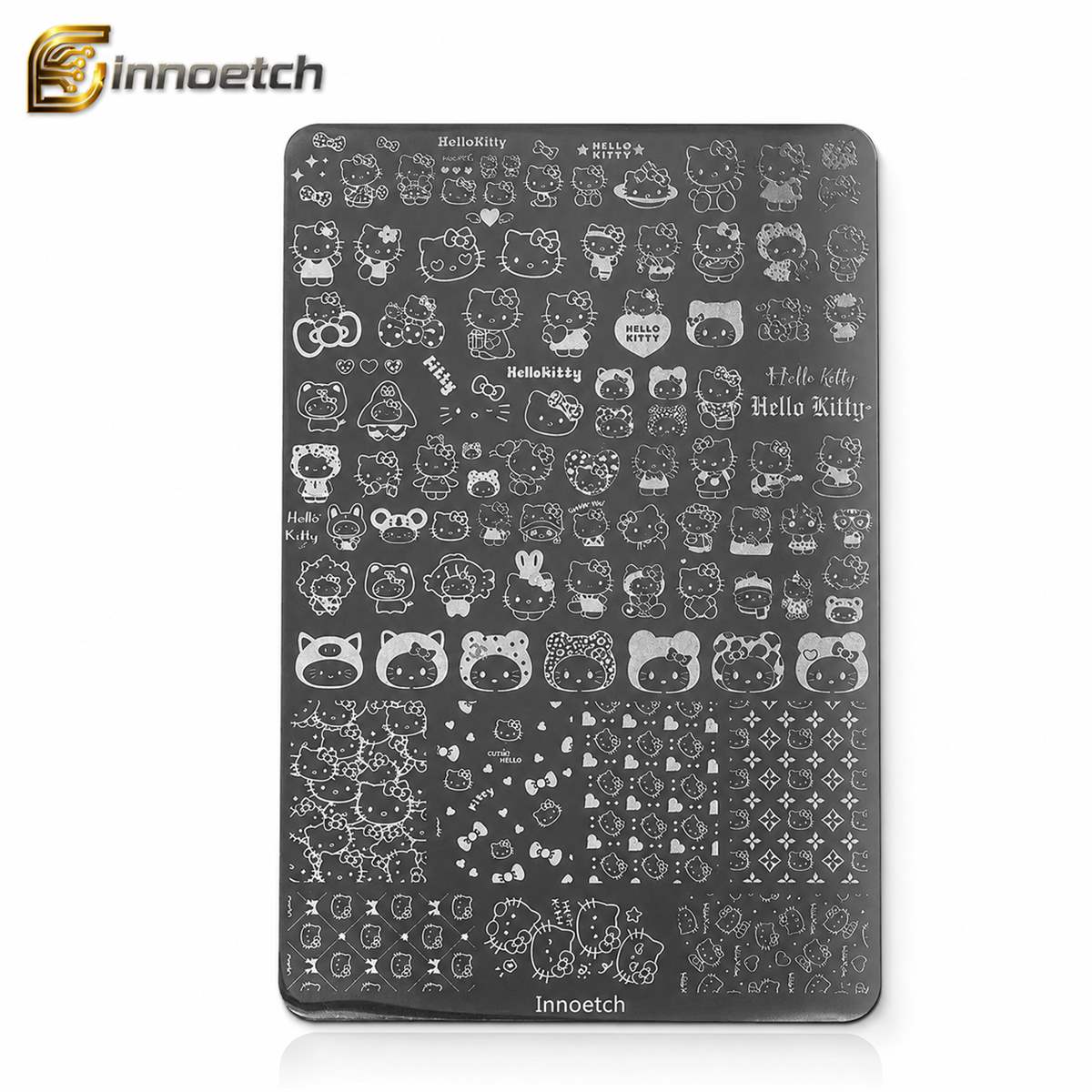
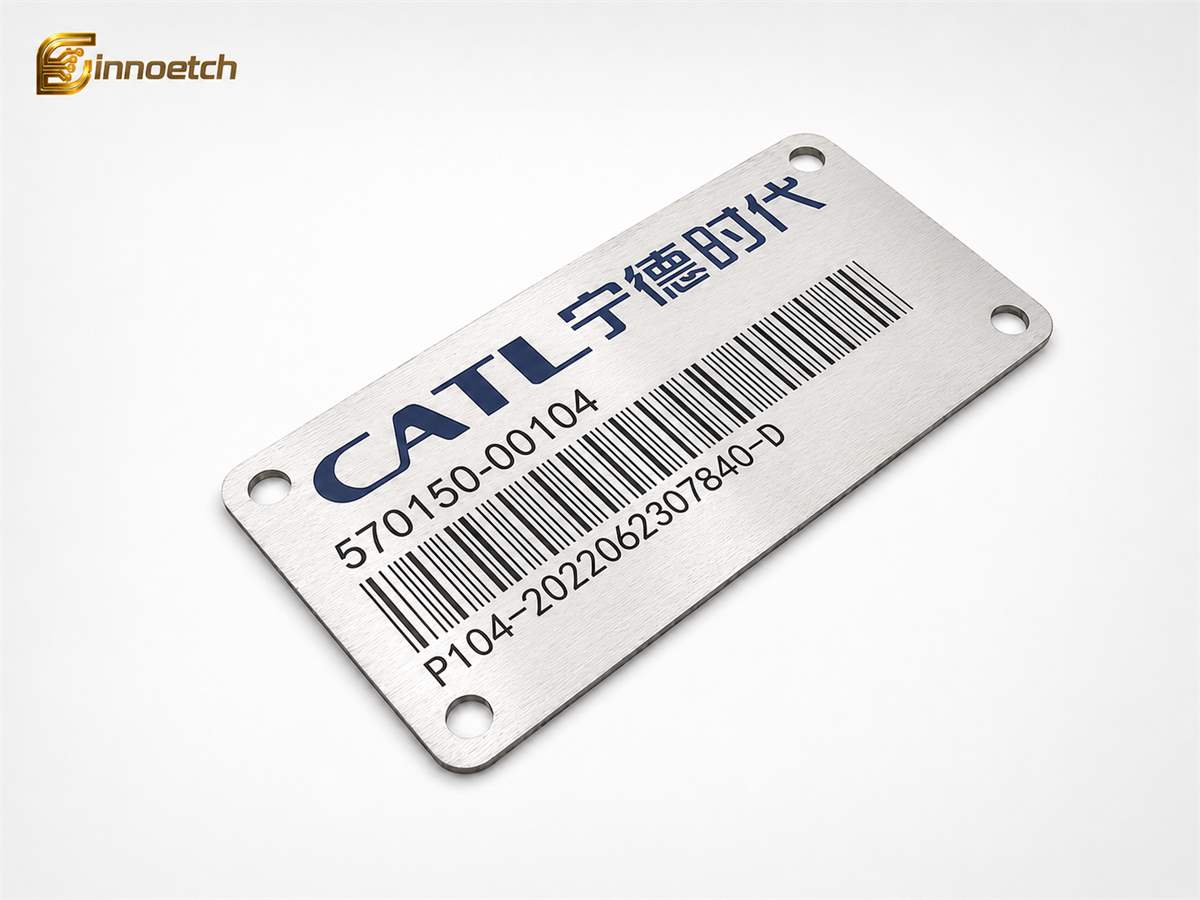
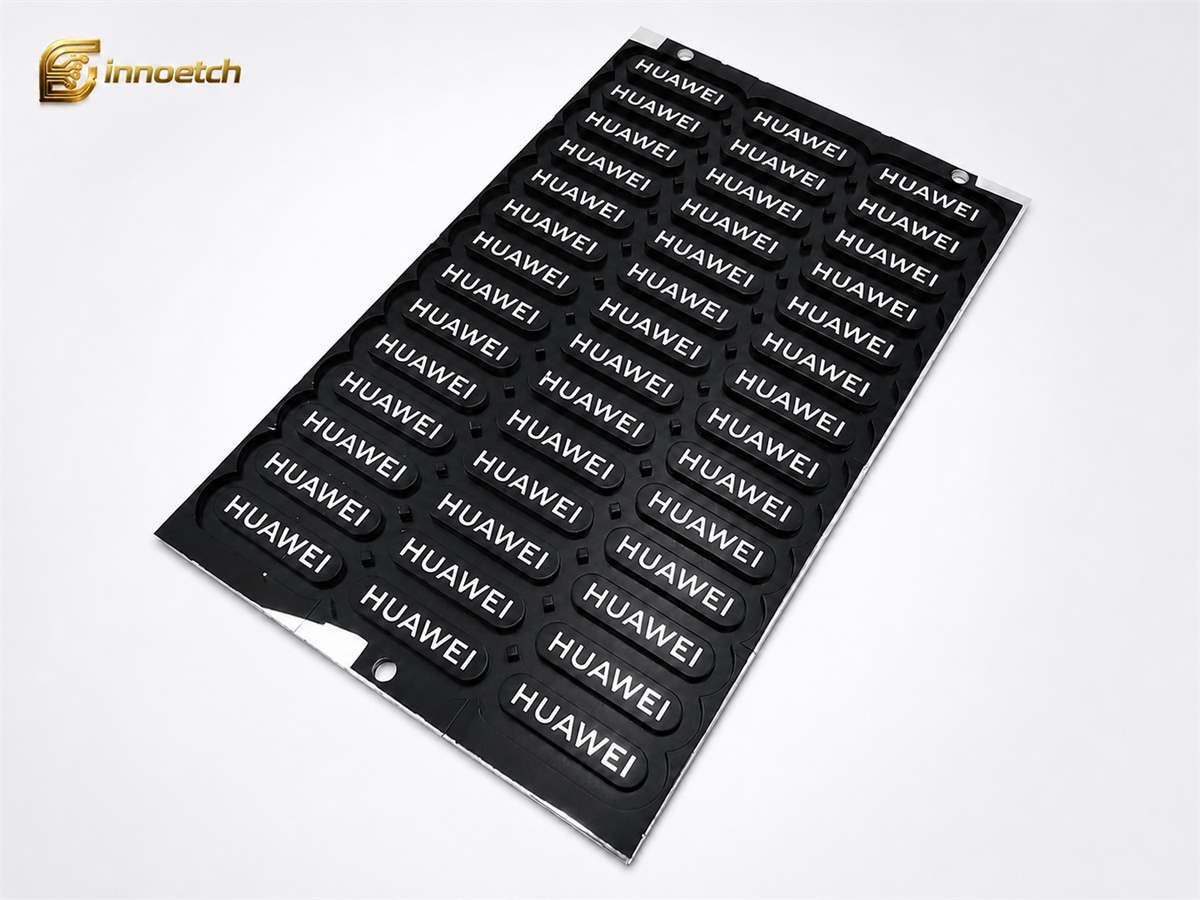
- Nameplates and decorative parts
If a part has many small features on a thin sheet, chemical etching can often produce the design more efficiently than mechanical cutting.
2. When Burr-Free Edges Are Required
One of the biggest advantages of chemical etching is that it produces burr-free edges. Since there is no mechanical cutting force, the process does not create the same burrs, deformation, or tool marks that may occur in stamping or machining.
This is important for parts used in:
- Electronics
- Medical devices
- Filtration
- Sensors
- Battery assemblies
- Precision mechanical systems
- Optical or acoustic components
For thin metal parts that must fit precisely, avoid particle contamination, or protect nearby components, burr-free manufacturing is a major reason to choose chemical etching.
3. When the Design Has Complex Hole Patterns or Dense Mesh
Chemical etching is highly effective for dense hole patterns and complex mesh structures. Because the image pattern is transferred by photo tooling, thousands of holes or openings can be processed at the same time.
This makes the process ideal for:
- Filter mesh
- Speaker grilles
- Ventilation plates
- Dust filter mesh
- Coffee machine filters
- Shaver foil mesh
- Sensor covers
- Fluid control plates
Compared with drilling, punching, or laser cutting thousands of individual holes, chemical etching can be more efficient and consistent for thin metal mesh applications.
4. When Low Tooling Cost Is Important
Chemical etching uses photo tooling instead of hard stamping dies. This makes it attractive for prototypes, small batches, engineering samples, and designs that may still change.
Stamping can be very cost-effective for high-volume production, but the initial tooling cost is often high. If the part design is not finalized, changing a stamping die can be expensive and time-consuming.
Chemical etching allows engineers to test and revise designs with lower tooling investment. This is especially useful during product development.
5. When Fast Prototyping Is Needed
For thin metal parts, chemical etching can shorten the path from CAD drawing to physical sample. Because the tooling is based on digital artwork, prototype iterations can be produced without expensive hard tooling.
This helps engineers evaluate:
- Fit and assembly
- Hole size
- Mesh opening
- Spring performance
- Shielding effect
- Airflow or filtration
- Cosmetic appearance
- Bend line design
For R&D teams, chemical etching is often a practical choice when several design versions need to be tested quickly.
6. When the Part Must Remain Flat and Stress-Free
Mechanical cutting, punching, or forming processes can introduce stress, distortion, or deformation into thin metal. Chemical etching removes material without direct mechanical force, helping the part remain flat and stable.
This is valuable for:
- Precision shims
- Thin spacers
- Encoder discs
- Optical apertures
- Flat springs
- Electronic components
- Thin stainless steel plates
When flatness and dimensional stability are important, chemical etching can provide better results than processes that physically push, shear, or clamp the material.
7. When Heat-Affected Zones Must Be Avoided
Laser cutting is useful for many metal parts, but it uses heat. On thin or sensitive materials, heat may create discoloration, oxidation, microstructural changes, or thermal distortion.
Chemical etching does not use thermal cutting. This makes it a better option when the part must avoid heat-affected zones, hardened edges, or visible burn marks.
For cosmetic parts, electronic parts, and precision functional surfaces, avoiding heat damage can be a major advantage.
8. When Many Features Must Be Produced at the Same Time
In chemical etching, complex internal and external features can be produced in one process. Holes, slots, profiles, logos, text, channels, and half-etched areas can be included in the same artwork.
This is useful when the part has:
- Many openings
- Multiple internal cutouts
- Identification marks
- Bend lines
- Decorative textures
- Recessed areas
- Complex outside profiles
The cost does not increase in the same way it would if each feature had to be machined individually.
9. When Half-Etched Features Are Needed
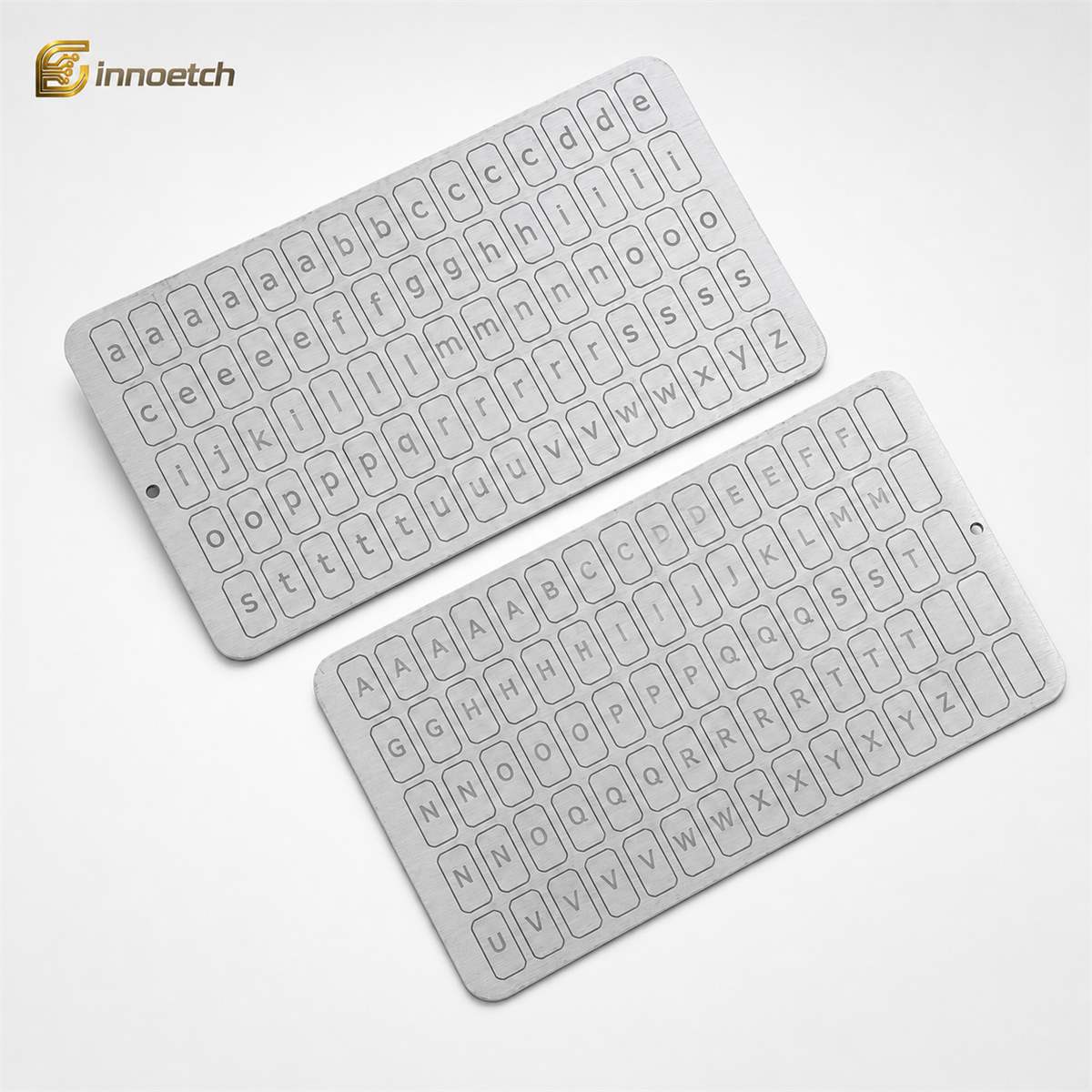
Chemical etching can create half-etched features, which are areas where only part of the metal thickness is removed. These features are difficult or expensive to produce with many other processes.
Half-etched features can be used for:
- Bend lines
- Logos
- Part numbers
- Channels
- Recessed areas
- Assembly marks
- Decorative textures
- Controlled thickness zones
For parts that need both through-etched openings and partial-depth details, chemical etching is often an efficient solution.
10. When Material Waste Should Be Reduced
Chemical etching can support efficient sheet layout and nesting. Multiple parts can be arranged on a single sheet to improve material utilization.
This is especially useful for small thin metal parts such as shims, contacts, mesh pieces, nameplates, and electronic components.
Good nesting can help reduce material waste and lower unit cost, especially when using stainless steel, copper, nickel, molybdenum, or other higher-value metals.
11. When the Design May Need Future Revisions
Engineering designs often change after testing. Hole size, mesh density, slot width, bend line position, or outer profile may need adjustment.
Chemical etching is well suited for design iterations because artwork changes are usually easier and less expensive than modifying hard tooling.
This flexibility is valuable for new product development, custom projects, and applications where performance must be validated before mass production.
12. When Consistent Batch Production Is Required
Chemical etching can support stable batch production when the drawing, material, tolerances, and inspection standards are clearly defined. It is suitable for both prototype samples and repeat production.
For applications such as precision metal mesh, shims, semiconductor components, electronic parts, shielding components, and structural parts, consistency is essential.
INNOETCH provides custom precision metal etching solutions from prototype development to mass production, with engineering support and ISO 9001 quality management for precision etched components.
13. When Is Chemical Etching Better Than Stamping?
Chemical etching is often better than stamping when the part is thin, complex, detailed, or still in the design stage. It avoids expensive hard tooling and can produce intricate features without burrs or mechanical stress.
Stamping may be better when the part is simple, volume is extremely high, and the design is fully finalized. For early-stage or complex thin metal parts, chemical etching is usually more flexible.
14. When Is Chemical Etching Better Than Laser Cutting?
Chemical etching is often better than laser cutting when the part requires many fine holes, burr-free edges, no heat-affected zone, and high consistency across dense patterns.
Laser cutting may be better for thicker metal, larger profiles, or lower-detail parts. For thin metal mesh, precision shims, speaker grilles, and electronic components, chemical etching often provides cleaner and more repeatable results.
15. When Is Chemical Etching Not the Best Choice?
Chemical etching is powerful, but it is not ideal for every project. Other processes may be better when the part requires very thick material, deep 3D machining, heavy forming, extremely large structural sections, or simple high-volume shapes that can be stamped at very low unit cost.
Engineers should evaluate the design based on material thickness, feature size, tolerance, volume, surface requirements, and final application.
Conclusion
Chemical etching is better for thin metal parts manufacturing when the part requires fine details, burr-free edges, dense hole patterns, low tooling cost, fast prototyping, stress-free processing, no heat-affected zones, half-etched features, and flexible design revisions.
For engineers developing precision metal mesh, shims, filters, speaker grilles, shielding parts, electronic components, springs, or custom thin metal parts, chemical etching offers a reliable and cost-effective manufacturing path. Working with an experienced precision metal etching manufacturer such as INNOETCH can help improve manufacturability, reduce development risk, and support stable production from prototype samples to mass production.



Related Articles
How Can Dimensional Accuracy Be Improved in Custom Etched Metal Parts?
Explains how to improve etched part accuracy through clear drawings, material control, compensation design, inspection, ...
Jun 13, 2026How Does the Photo Etching Process Work from Prototype to Mass Production?
Outlines the photo etching workflow from CAD review and tooling to sample validation, process control, and mass producti...
Jun 13, 2026Why Is Photo Etching Suitable for Prototype Metal Parts?
Shows why photo etching supports metal prototypes through low tooling cost, fast design changes, fine features, and scal...
Jun 13, 2026When Is Chemical Etching Better for Thin Metal Parts Manufacturing?
Explains when chemical etching is best for thin metal parts with complex shapes, fine holes, low stress, and flexible pr...
Jun 13, 2026What Factors Affect the Cost of Custom Metal Etching Projects?
Explains metal etching cost factors including material, thickness, tolerance, panel use, surface finish, quantity, and i...
Jun 13, 2026