
Why Is Photo Etching Suitable for Prototype Metal Parts?
Prototype metal parts are often used to test fit, function, assembly, airflow, conductivity, filtration, shielding, spring performance, and visual appearance before mass production. During this stage, engineers need a manufacturing process that is accurate, flexible, fast, and cost-effective.
Photo etching, also called photo chemical etching, chemical etching, or photochemical machining, is one of the most practical methods for producing prototype thin metal parts. It can create detailed flat metal components without expensive hard tooling, mechanical stress, or burrs.
Below are the main reasons photo etching is suitable for prototype metal parts.
1. Why Is Photo Etching Good for Prototype Development?
Photo etching is ideal for prototype development because it can turn CAD drawings into physical metal parts quickly and with relatively low setup cost.
For early-stage product development, engineers often need to test several design versions. Hole size, slot width, mesh density, outer shape, bend line position, or contact geometry may change after testing. Photo etching makes these design changes easier because the tooling is based on photo artwork instead of hard steel dies.
This flexibility helps shorten the development cycle and reduce the cost of engineering iteration.
2. How Does Photo Etching Reduce Prototype Tooling Cost?
Traditional stamping usually requires a hard die. For prototypes, this can be expensive because the design may still change. If the part needs revision, the die may need modification or replacement.
Photo etching uses digital artwork and photo tooling, which is much more flexible for prototype work. This makes it suitable for small batches, trial parts, engineering samples, and pre-production validation.
For companies developing new products, lower tooling cost means engineers can test more design options before committing to mass production tooling.
3. Why Is Photo Etching Suitable for Thin Metal Parts?
Photo etching is especially effective for thin sheet metal. It can produce fine features in stainless steel, copper, brass, nickel, aluminum, molybdenum, and other metals used in precision applications.
Common prototype parts made by photo etching include:
- Precision shims
- Thin metal spacers
- Metal mesh samples
- Speaker grille prototypes
- Filter prototypes
- EMI shielding samples
- Battery components
- Electronic contacts
- Spring and elastic elements
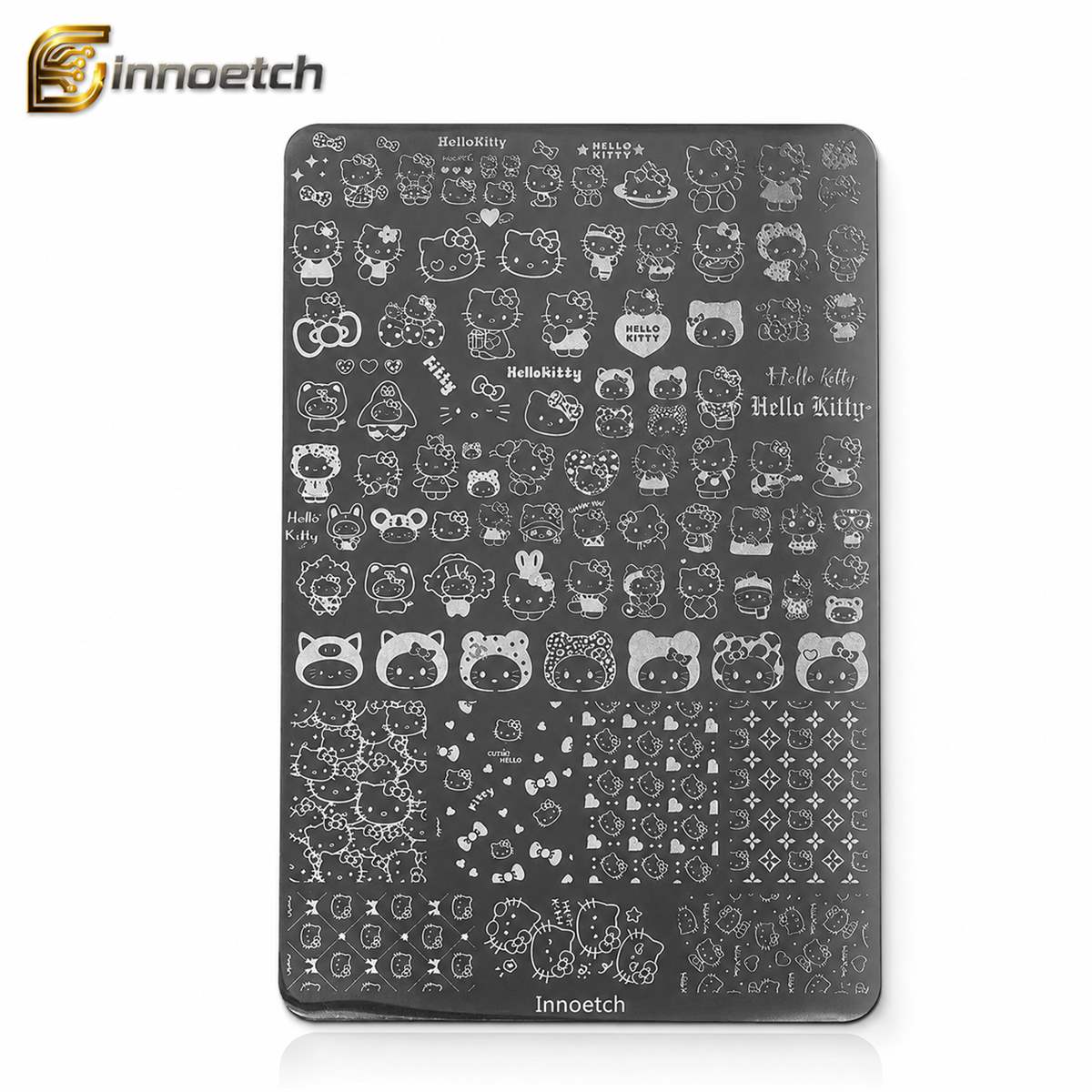
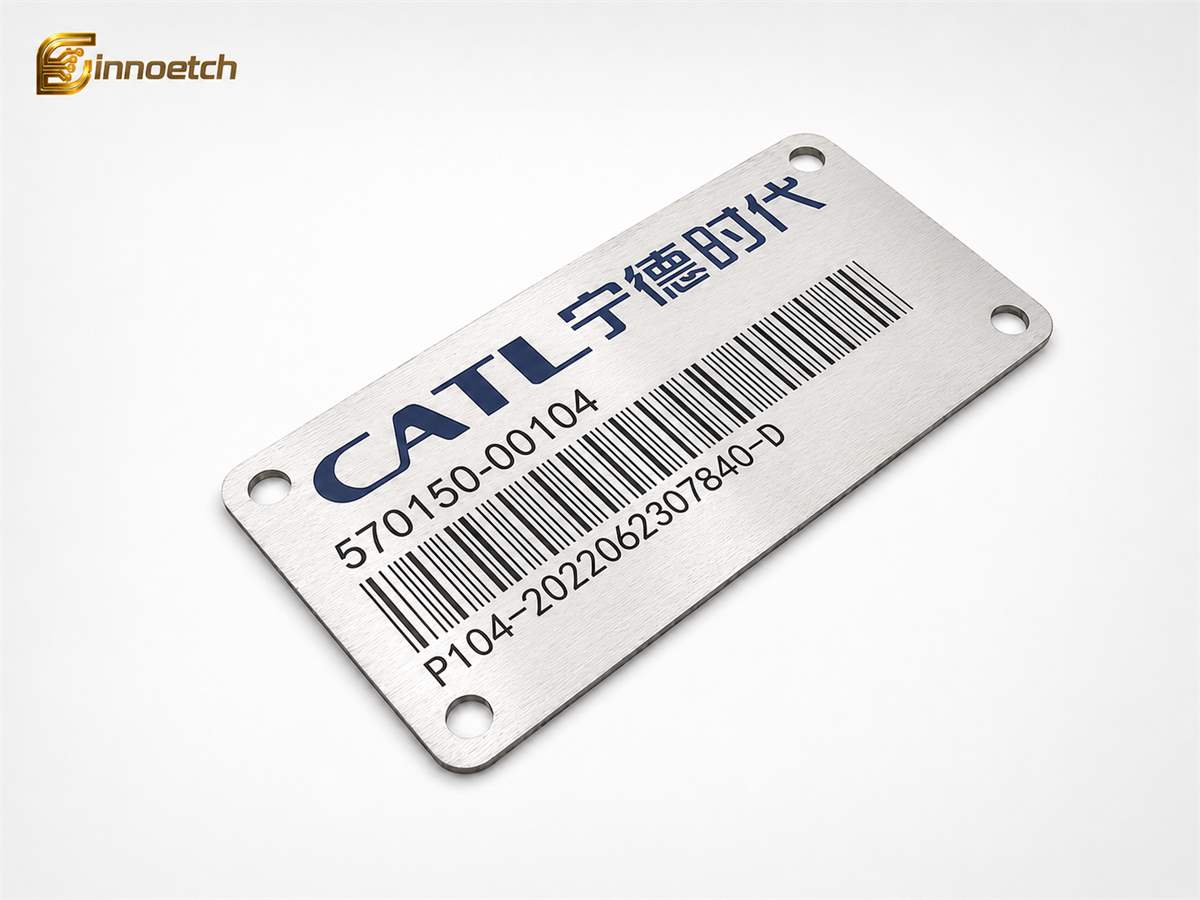
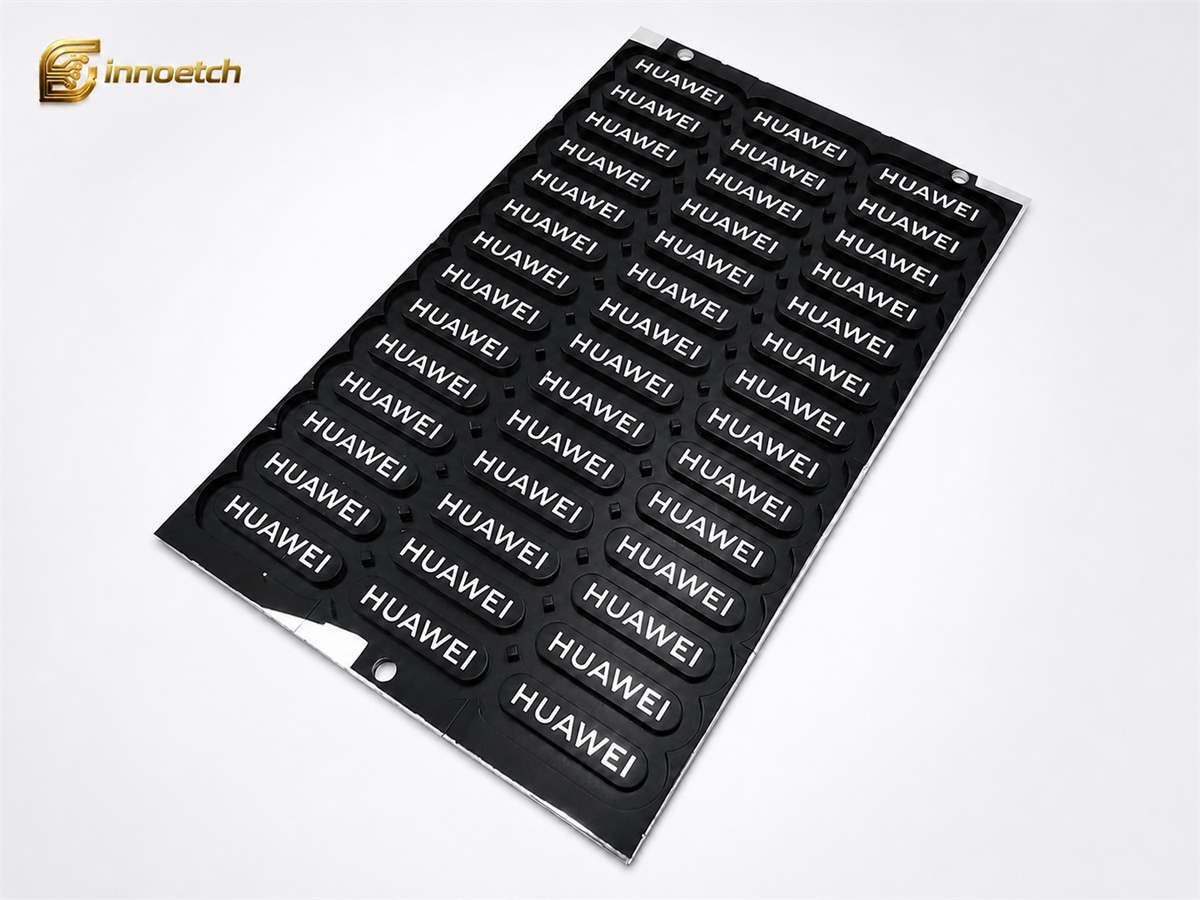
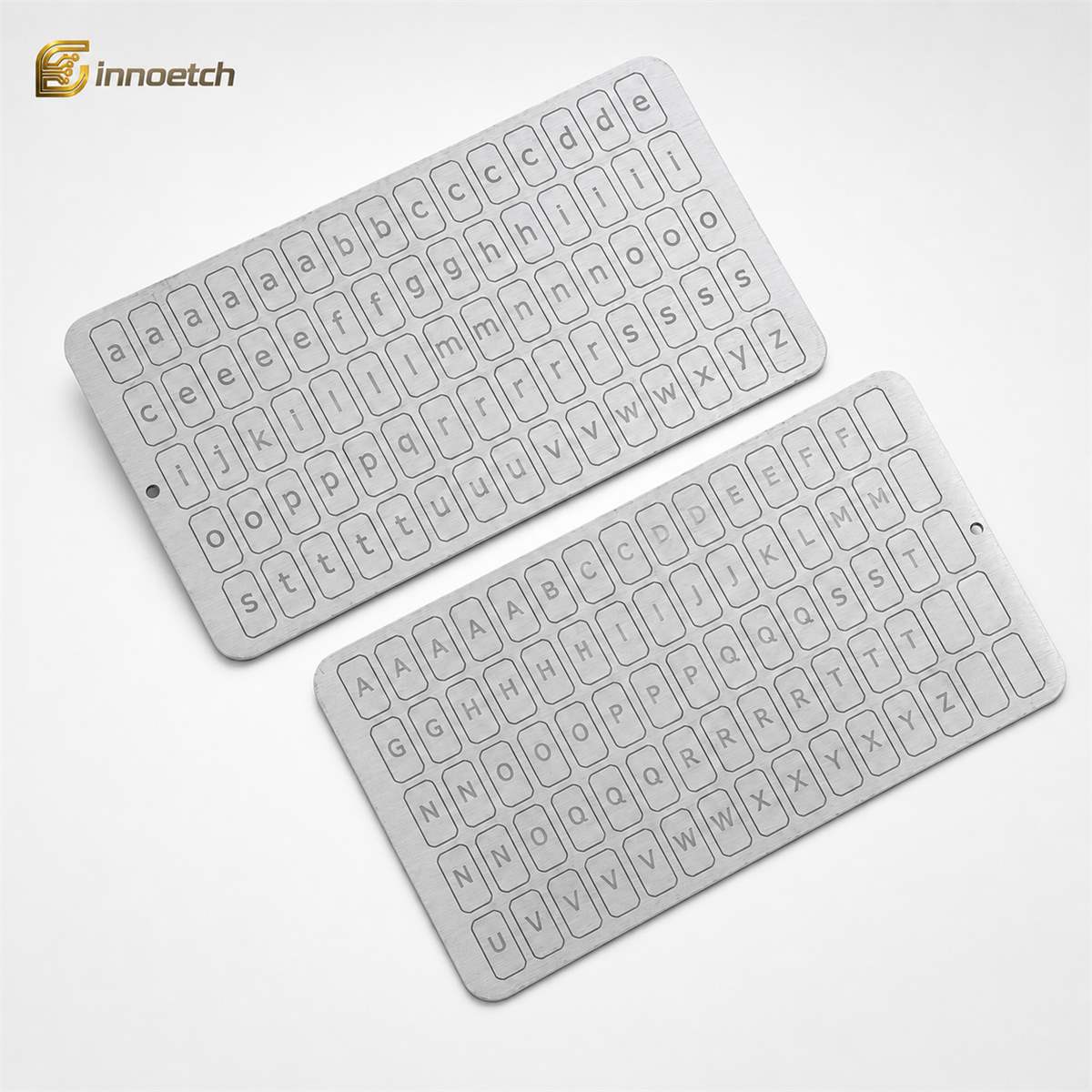
- Decorative nameplates
For thin metal components with complex details, photo etching is often more efficient than CNC machining, drilling, or punching.
4. Can Photo Etching Produce Complex Prototype Designs?
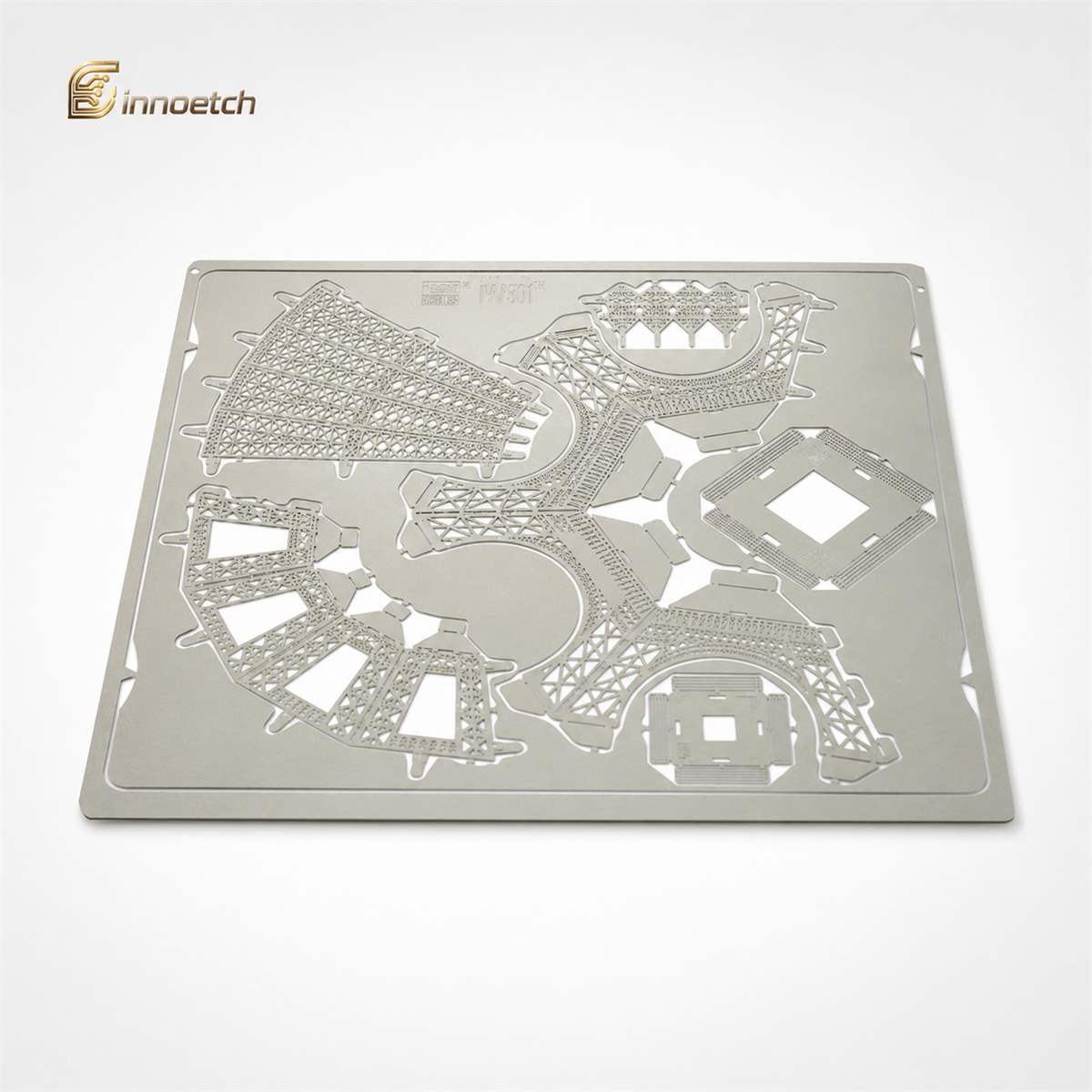
Yes. Photo etching can produce complex internal and external features in one process. Holes, slots, fine mesh, logos, text, channels, bend lines, and half-etched areas can be included in the same design artwork.
This is useful when engineers need to prototype parts with:
- Dense hole patterns
- Micro slots
- Fine metal mesh
- Complex outer profiles
- Multiple internal cutouts
- Identification marks
- Partial-depth features
- Decorative textures
Because many features can be etched at the same time, design complexity does not increase cost in the same way it often does with machining.
5. Why Are Burr-Free Edges Important for Prototype Metal Parts?
Prototype parts are used to evaluate real product performance. If the prototype has burrs, sharp raised edges, or mechanical distortion, the test result may not reflect the final design accurately.
Photo etching creates burr-free edges because it does not use mechanical cutting force. This is important for:
- Electronic components
- Medical device parts
- Filters
- Sensor parts
- Optical apertures
- Battery assemblies
- Precision mechanical components
Burr-free prototypes help engineers test assembly, fit, safety, and function more accurately.
6. How Does Photo Etching Avoid Mechanical Stress?
Processes such as stamping, punching, or machining may introduce mechanical stress, deformation, or warping, especially in thin metal parts. Photo etching removes metal chemically, so there is no tool pressure on the part during cutting.
This makes photo etching suitable for prototype parts that require:
- Flatness
- Dimensional stability
- Thin walls
- Fine bridges
- Delicate features
- Low distortion
- Consistent geometry
For shims, springs, mesh, shielding parts, and electronic components, low-stress manufacturing can be a major advantage.
7. Is Photo Etching Faster for Design Iterations?
In many cases, yes. Since photo etching does not require expensive hard tooling, revised designs can often move from updated CAD files to new samples more quickly.
This is helpful when engineers need to compare multiple versions, such as:
- Different hole diameters
- Different mesh opening rates
- Different spring shapes
- Different slot patterns
- Different bend line positions
- Different contact geometries
Fast iteration allows the engineering team to identify the best design before scaling to production.
8. Can Photo Etching Support Small-Batch Prototype Production?
Yes. Photo etching is well suited for small-batch prototype production because setup cost is relatively low and multiple parts can be arranged on one metal sheet.
This allows engineers to produce enough samples for:
- Assembly testing
- Functional testing
- Customer approval
- Laboratory evaluation
- Reliability testing
- Pre-production review
It also helps bridge the gap between one-off samples and mass production.
9. How Accurate Are Photo Etched Prototype Parts?
Photo etching can achieve high precision on thin metal parts, but accuracy depends on material type, thickness, feature size, tolerance requirements, and part geometry.
For best results, engineers should provide complete drawings with:
- Material grade
- Material thickness
- Critical dimensions
- Functional tolerances
- Hole sizes and pitch
- Half-etched features
- Bend lines
- Surface finish requirements
- Quantity and revision number
Clear engineering data helps the manufacturer produce prototypes that are closer to the final production intent.
10. Can Photo Etching Create Half-Etched Features for Prototypes?
Yes. Half-etching is one of the key advantages of photo chemical etching. It allows only part of the metal thickness to be removed.
Half-etched features are useful for:
- Bend lines
- Logos
- Part numbers
- Assembly guides
- Channels
- Grooves
- Recessed areas
- Decorative textures
For prototypes, half-etching helps engineers test forming, identification, assembly, and functional surface features before mass production.
11. How Does Photo Etching Compare With Other Prototype Methods?
Photo etching is not the only way to make prototype metal parts, but it has clear advantages for thin, detailed components.
| Process | Best For | Prototype Limitation |
|---|---|---|
| Photo etching | Thin, complex, burr-free metal parts | Less suitable for very thick 3D parts |
| Laser cutting | Larger profiles and thicker sheets | May create heat-affected edges |
| CNC machining | 3D shapes and thicker parts | Higher cost for many fine holes |
| Stamping | High-volume simple parts | Expensive hard tooling for prototypes |
| Wire EDM | High-precision thick parts | Slower and costlier for large batches of thin parts |
For thin metal prototypes with complex geometry, photo etching often provides the best balance of cost, speed, and precision.
12. When Is Photo Etching Not the Best Prototype Method?
Photo etching may not be the best choice if the prototype requires very thick material, deep 3D machining, heavy forming, large structural sections, or only a very simple shape that can be made faster by another process.
Engineers should evaluate the part based on material thickness, required geometry, tolerance, quantity, surface finish, and final application.
13. Why Work With an Experienced Photo Etching Manufacturer?
Prototype quality depends on both design and process control. An experienced manufacturer can review CAD drawings, identify manufacturability risks, recommend material thickness, adjust minimum feature sizes, and support the transition from prototype to mass production.
INNOETCH provides custom precision metal etching solutions for prototype development and batch production, including precision metal mesh, shims, electronic components, mechanical parts, structural parts, ornaments, and nameplates.
Conclusion
Photo etching is suitable for prototype metal parts because it offers low tooling cost, fast design iteration, fine-detail capability, burr-free edges, low mechanical stress, and flexible small-batch production. It is especially valuable for thin metal prototypes such as mesh, shims, filters, shielding parts, springs, electronic components, and decorative parts.
For engineers developing custom etched metal components, photo etching provides a practical path from early design validation to stable mass production. Working with a precision metal etching manufacturer such as INNOETCH can help improve prototype quality, reduce development risk, and shorten the product development cycle.



Related Articles
How Can Dimensional Accuracy Be Improved in Custom Etched Metal Parts?
Explains how to improve etched part accuracy through clear drawings, material control, compensation design, inspection, ...
Jun 13, 2026How Does the Photo Etching Process Work from Prototype to Mass Production?
Outlines the photo etching workflow from CAD review and tooling to sample validation, process control, and mass producti...
Jun 13, 2026Why Is Photo Etching Suitable for Prototype Metal Parts?
Shows why photo etching supports metal prototypes through low tooling cost, fast design changes, fine features, and scal...
Jun 13, 2026When Is Chemical Etching Better for Thin Metal Parts Manufacturing?
Explains when chemical etching is best for thin metal parts with complex shapes, fine holes, low stress, and flexible pr...
Jun 13, 2026What Factors Affect the Cost of Custom Metal Etching Projects?
Explains metal etching cost factors including material, thickness, tolerance, panel use, surface finish, quantity, and i...
Jun 13, 2026