
How Does the Photo Etching Process Work from Prototype to Mass Production?
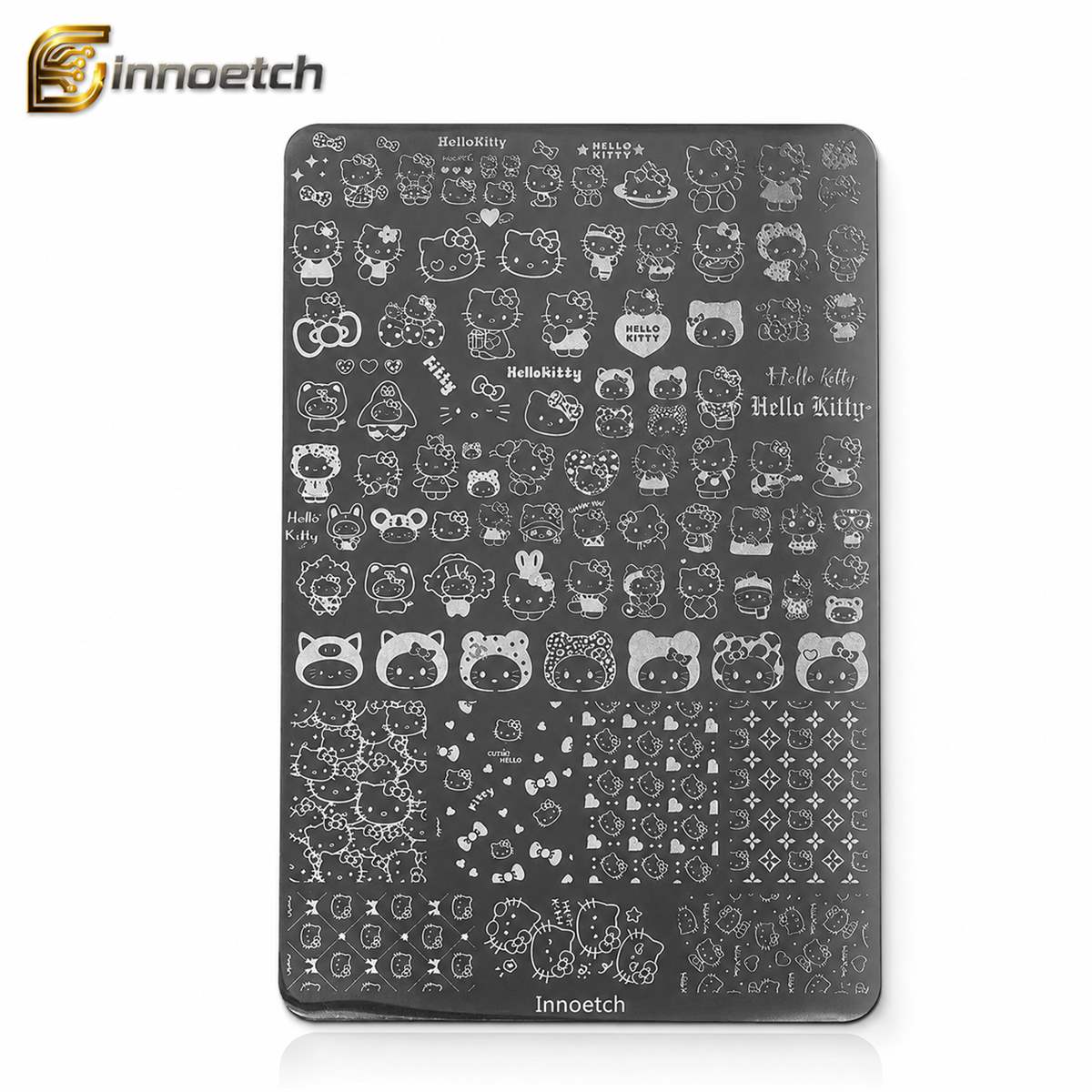
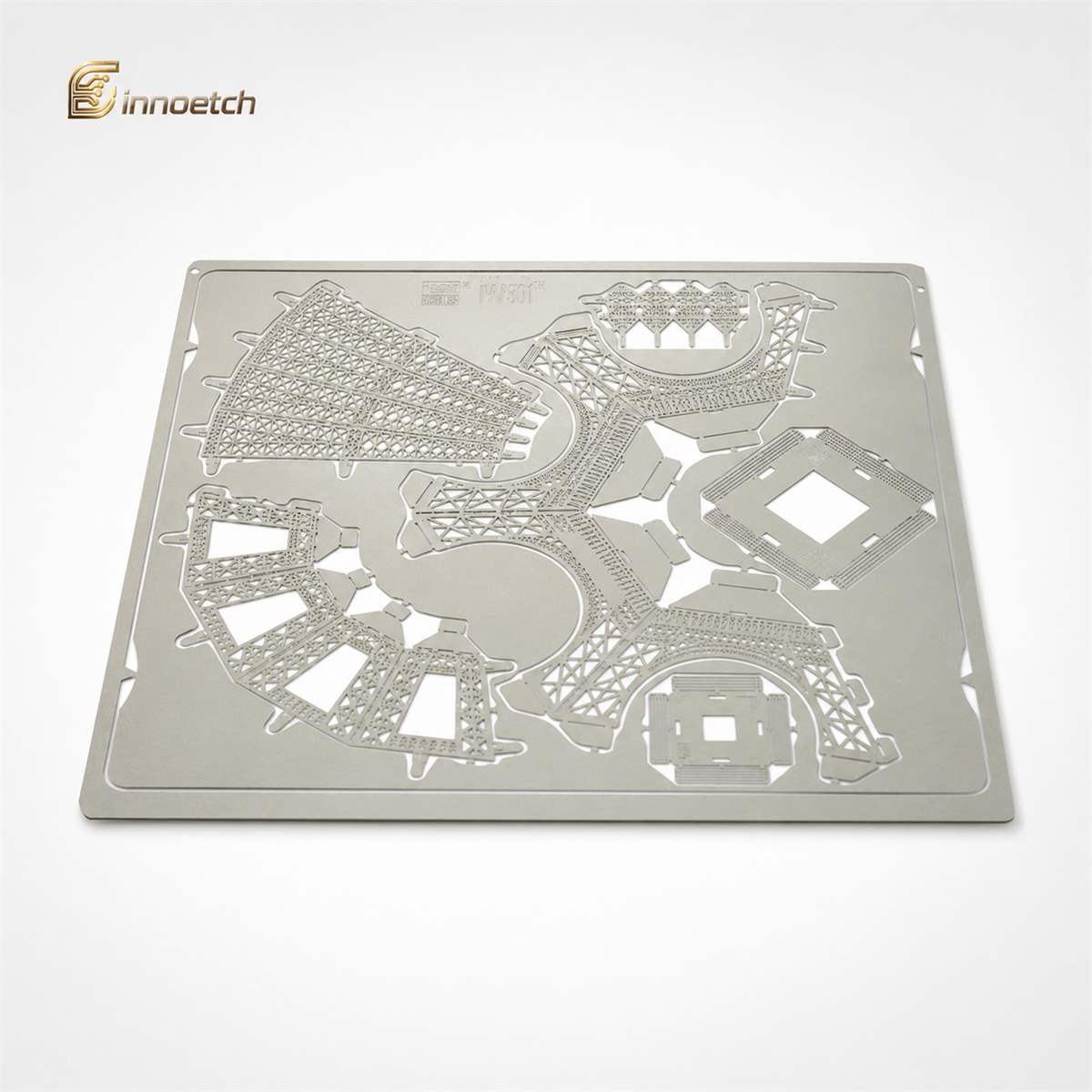
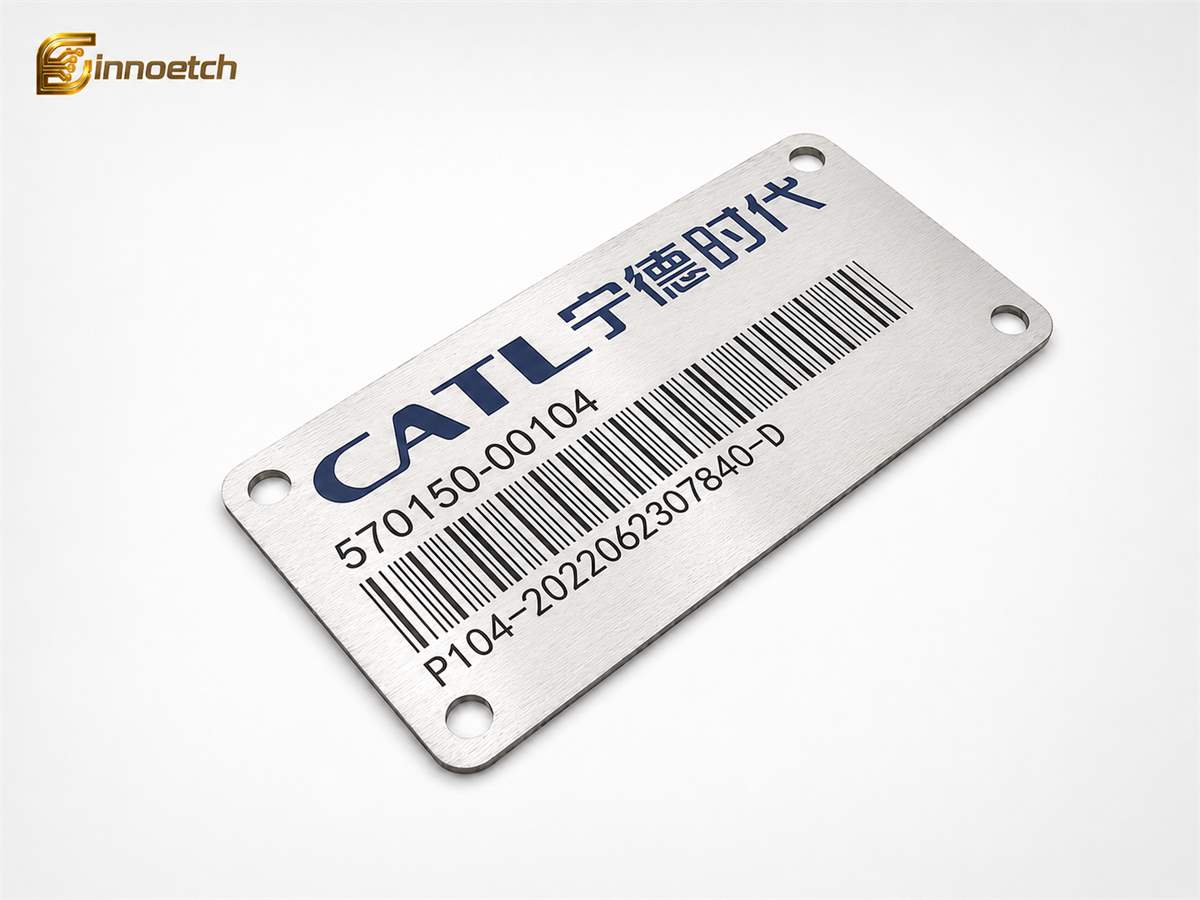
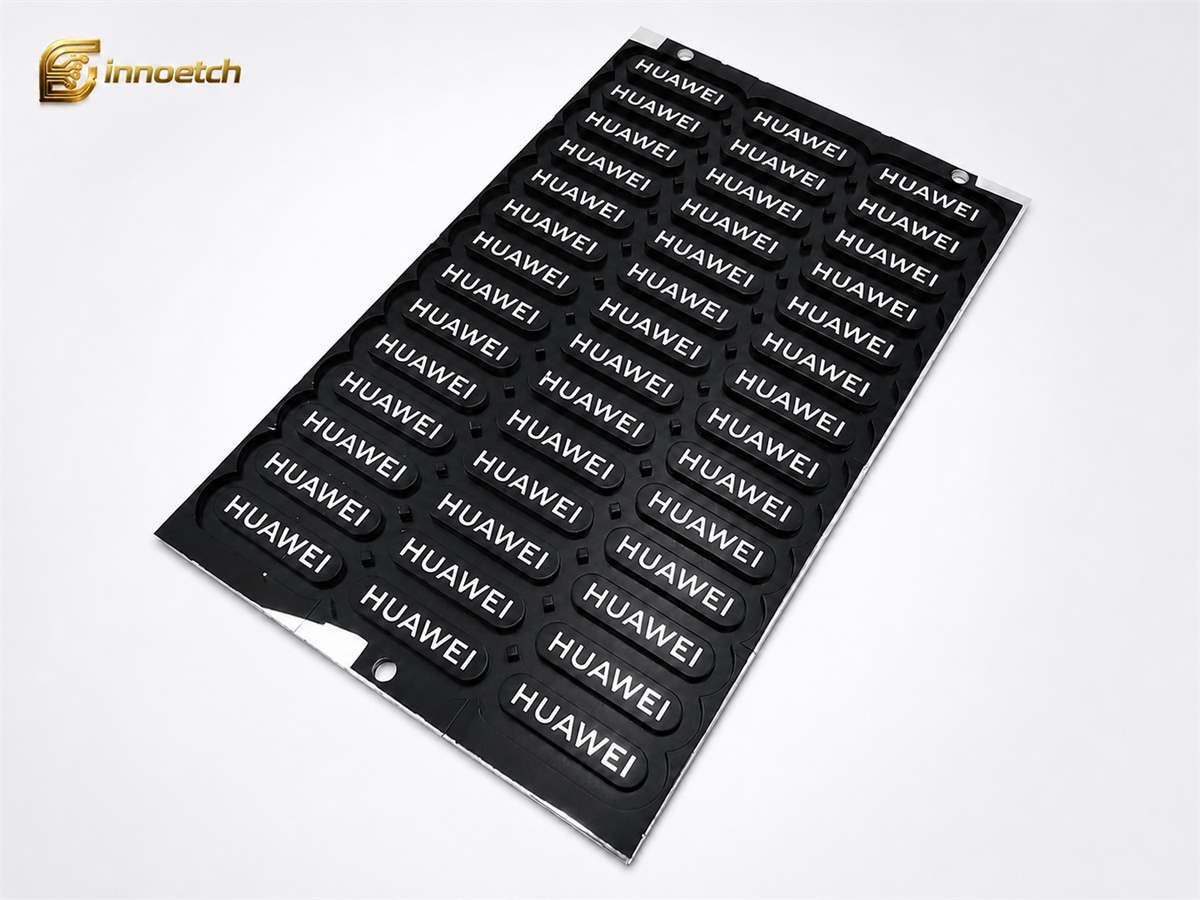
Photo etching, also known as photochemical etching, chemical etching, or precision metal etching, is a manufacturing process used to produce thin, complex, burr-free metal parts. It is widely used for precision metal mesh, shims, electronic components, shielding parts, filters, speaker grilles, springs, mechanical parts, structural parts, ornaments, and nameplates.
For engineers, one of the biggest advantages of photo etching is that the same process can support both prototype development and mass production. A design can be tested, adjusted, validated, and scaled without the high tooling cost usually associated with hard stamping dies.
Below is a step-by-step FAQ explaining how the photo etching process works from prototype to mass production.
1. What Is the First Step in a Photo Etching Project?
The process usually begins with a technical review of the customer’s CAD drawing, material requirement, application, tolerance, quantity, and expected production volume.
At this stage, engineers should provide:
- CAD files such as DXF, DWG, STEP, AI, or vector PDF
- A fully dimensioned technical drawing
- Material grade and thickness
- Critical dimensions
- Tolerance requirements
- Surface finish requirements
- Prototype and mass production quantity
- Any forming, plating, passivation, or cleaning requirements
A complete drawing package helps the etching manufacturer evaluate feasibility, cost, lead time, and production risk more accurately.
2. Why Is DFM Review Important Before Prototyping?
DFM, or design for manufacturing, is essential before photo etching prototypes are made. A part may look correct in CAD but still have features that are too small, too fragile, or difficult to control in production.
During DFM review, the manufacturer checks:
- Minimum hole size
- Slot width
- Bridge or web width
- Material thickness
- Tolerance feasibility
- Half-etched areas
- Bend lines
- Open area ratio
- Surface and inspection requirements
Early DFM review helps prevent sampling delays, rework, and unnecessary cost before tooling begins.
3. How Is Material Selected for Photo Etched Parts?
Material selection depends on the part’s function, strength, corrosion resistance, conductivity, elasticity, appearance, and working environment.
Common materials include stainless steel, copper, brass, nickel, aluminum, molybdenum, and specialty alloys. Stainless steel is often used for corrosion resistance and mechanical strength. Copper and copper alloys are useful for electrical conductivity. Nickel alloys may be used for battery components, springs, and high-performance electronic applications.
Material thickness also affects minimum feature size, tolerance, edge profile, and production yield, so it should be confirmed before prototype tooling.
4. What Is Photo Tooling in the Etching Process?
Photo tooling is the artwork used to transfer the part geometry onto the metal sheet. It is usually created from the customer’s CAD data.
Unlike hard stamping dies, photo tooling is more flexible and cost-effective for prototypes and design changes. If the engineer needs to adjust hole size, mesh density, slot width, or outer profile, the artwork can often be updated more easily than a mechanical die.
This is one reason photo etching is well suited for prototype development and product iteration.
5. How Is the Metal Sheet Prepared Before Etching?
Before etching, the metal sheet must be cleaned to remove oil, dust, oxidation, and surface contamination. A clean surface helps the photoresist adhere properly and improves pattern accuracy.
After cleaning, a photosensitive resist is applied to the metal sheet. This resist protects the areas that should remain after etching.
Good surface preparation is important for consistent feature definition, stable tolerances, and repeatable quality.
6. What Happens During Exposure and Development?
During exposure, the prepared metal sheet is aligned with the photo tooling and exposed to controlled light. The light transfers the pattern onto the photoresist.
After exposure, the sheet is developed. The development step removes selected resist areas and reveals the metal that will be chemically etched away.
Accurate exposure and development are important for fine holes, dense mesh patterns, narrow slots, half-etched features, and precision outlines.
7. How Does Chemical Etching Remove the Metal?
In the etching stage, the developed metal sheet passes through a controlled chemical etching process. The etchant removes exposed metal areas while the protected areas remain.
This process can create:
- Through-etched holes
- Slots and openings
- Fine mesh patterns
- Complex outer profiles
- Logos and text
- Half-etched bend lines
- Grooves and recessed areas
Because the process does not use mechanical cutting force, it can produce burr-free parts with low stress and minimal distortion.
8. What Happens After Etching?
After the required metal has been removed, the remaining photoresist is stripped away. The parts are then cleaned and prepared for inspection or secondary processing.
Depending on the application, post-etching steps may include:
- Flatness control
- Forming or bending
- Heat treatment
- Passivation
- Plating
- Polishing
- Surface cleaning
- Special packaging
For functional parts, post-processing should be specified before production so the manufacturer can include it in the process plan.
9. How Are Prototype Samples Inspected?
Prototype inspection confirms whether the etched parts meet drawing requirements and functional expectations.
Inspection may include:
- Overall dimensions
- Hole size and pitch
- Slot width
- Bridge width
- Flatness
- Surface quality
- Half-etch depth
- Bend angle
- Material thickness
- Critical-to-function dimensions
Prototype samples are also tested by the customer for assembly, airflow, filtration, electrical performance, shielding, spring behavior, or cosmetic appearance.
10. What Happens If the Prototype Needs Design Changes?
If the prototype does not fully meet performance or assembly requirements, the design can be revised. This is one of the major advantages of photo etching.
Common prototype adjustments include:
- Changing hole diameter
- Adjusting mesh density
- Increasing bridge width
- Modifying slot geometry
- Moving bend lines
- Updating outer profile
- Changing material thickness
- Revising tolerances
Because photo etching uses digital artwork and photo tooling, design changes are usually easier and less expensive than modifying hard stamping tools.
11. What Is Pilot Production in Photo Etching?
Pilot production is the stage between prototype approval and full mass production. It helps confirm whether the approved design can be produced consistently at a larger scale.
During pilot production, the manufacturer verifies:
- Process stability
- Sheet layout efficiency
- Production yield
- Inspection method
- Packaging method
- Batch consistency
- Surface quality
- Critical dimension control
Pilot production reduces the risk of moving too quickly from prototype samples to high-volume manufacturing.
12. How Does Photo Etching Scale to Mass Production?
Once the prototype and pilot run are approved, the process can move into mass production. At this stage, the focus shifts from design validation to repeatability, efficiency, quality control, and delivery stability.
Mass production control usually includes:
- Confirmed material sourcing
- Fixed tooling artwork
- Approved process parameters
- Defined inspection standards
- Batch tracking
- Stable sheet layout
- Quality control records
- Packaging and shipment standards
INNOETCH supports custom precision metal etching from prototype development to mass production, with engineering support and quality management for precision etched components.
13. What Quality Controls Are Used in Mass Production?
Quality control is critical in mass production because small dimensional changes can affect assembly, airflow, conductivity, filtration, shielding, or mechanical performance.
Common quality controls include:
- Incoming material inspection
- In-process inspection
- First article inspection
- Dimensional measurement
- Visual inspection
- Surface quality checks
- Final inspection
- Batch traceability
For industries such as electronics, semiconductor components, filtration, mechanical systems, and precision assemblies, consistent quality is just as important as the first successful prototype.
14. Why Is Photo Etching Efficient from Prototype to Mass Production?
Photo etching is efficient because it combines design flexibility with repeatable manufacturing. Engineers can start with prototypes, make design changes, validate performance, and then scale the same process for production.
Key advantages include:
- Lower tooling cost than hard stamping dies
- Faster design iteration
- Burr-free edges
- No mechanical cutting stress
- Ability to produce complex patterns
- Suitable for thin metal parts
- Efficient sheet nesting
- Scalable batch production
This makes photo etching especially useful for custom metal parts that require precision, flexibility, and consistent quality.
15. What Types of Parts Are Commonly Produced This Way?
The prototype-to-mass-production workflow is commonly used for:
- Precision metal mesh
- Filter screens
- Speaker grilles
- Dust filter mesh
- Precision shims
- Elastic elements
- EMI shielding parts
- Semiconductor components
- Electronic contacts
- Battery components
- Mechanical and structural parts
- Decorative metal parts
- Nameplates
These parts often require fine detail, thin materials, burr-free edges, and repeatable dimensional accuracy.
Conclusion
The photo etching process from prototype to mass production begins with CAD review and DFM analysis, then moves through material selection, photo tooling, resist coating, exposure, development, chemical etching, cleaning, inspection, prototype validation, pilot production, and controlled batch manufacturing.
For engineers developing custom thin metal parts, photo etching offers a practical path from early design testing to reliable mass production. Working with an experienced precision metal etching manufacturer such as INNOETCH can help improve manufacturability, reduce development risk, shorten iteration cycles, and ensure stable quality for custom etched metal components.



Related Articles
How Can Dimensional Accuracy Be Improved in Custom Etched Metal Parts?
Explains how to improve etched part accuracy through clear drawings, material control, compensation design, inspection, ...
Jun 13, 2026How Does the Photo Etching Process Work from Prototype to Mass Production?
Outlines the photo etching workflow from CAD review and tooling to sample validation, process control, and mass producti...
Jun 13, 2026Why Is Photo Etching Suitable for Prototype Metal Parts?
Shows why photo etching supports metal prototypes through low tooling cost, fast design changes, fine features, and scal...
Jun 13, 2026When Is Chemical Etching Better for Thin Metal Parts Manufacturing?
Explains when chemical etching is best for thin metal parts with complex shapes, fine holes, low stress, and flexible pr...
Jun 13, 2026What Factors Affect the Cost of Custom Metal Etching Projects?
Explains metal etching cost factors including material, thickness, tolerance, panel use, surface finish, quantity, and i...
Jun 13, 2026