
What Materials Can Be Used for Precision Chemical Etching?
Precision chemical etching, also known as photo chemical etching or photochemical machining, is a manufacturing process used to create thin, complex, burr-free metal parts. It is widely used for precision metal mesh, shims, electronic components, shielding parts, filters, speaker grilles, springs, nameplates, and mechanical structures.
Because the process removes metal chemically rather than mechanically, it can work with many metals and alloys. However, each material behaves differently during etching. Material selection affects dimensional accuracy, edge quality, strength, corrosion resistance, conductivity, cost, and production stability.
1. Can Stainless Steel Be Used for Precision Chemical Etching?
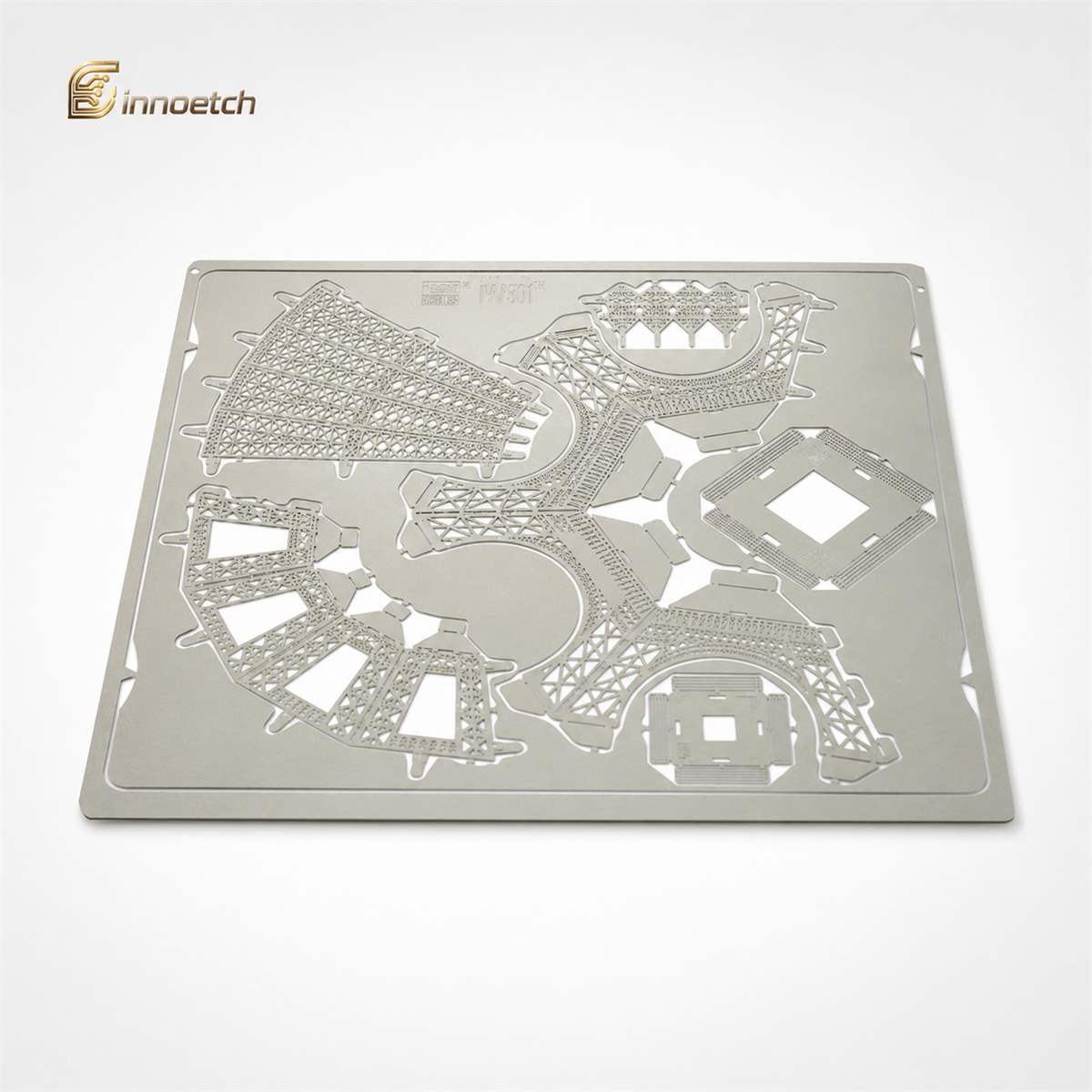
Yes. Stainless steel is one of the most common materials for precision chemical etching. It is widely used because it offers good strength, corrosion resistance, dimensional stability, and durability.
Common applications include:
- Precision shims
- Filter screens
- Speaker grilles
- Medical device components
- EMI shielding parts
- Mechanical and structural parts
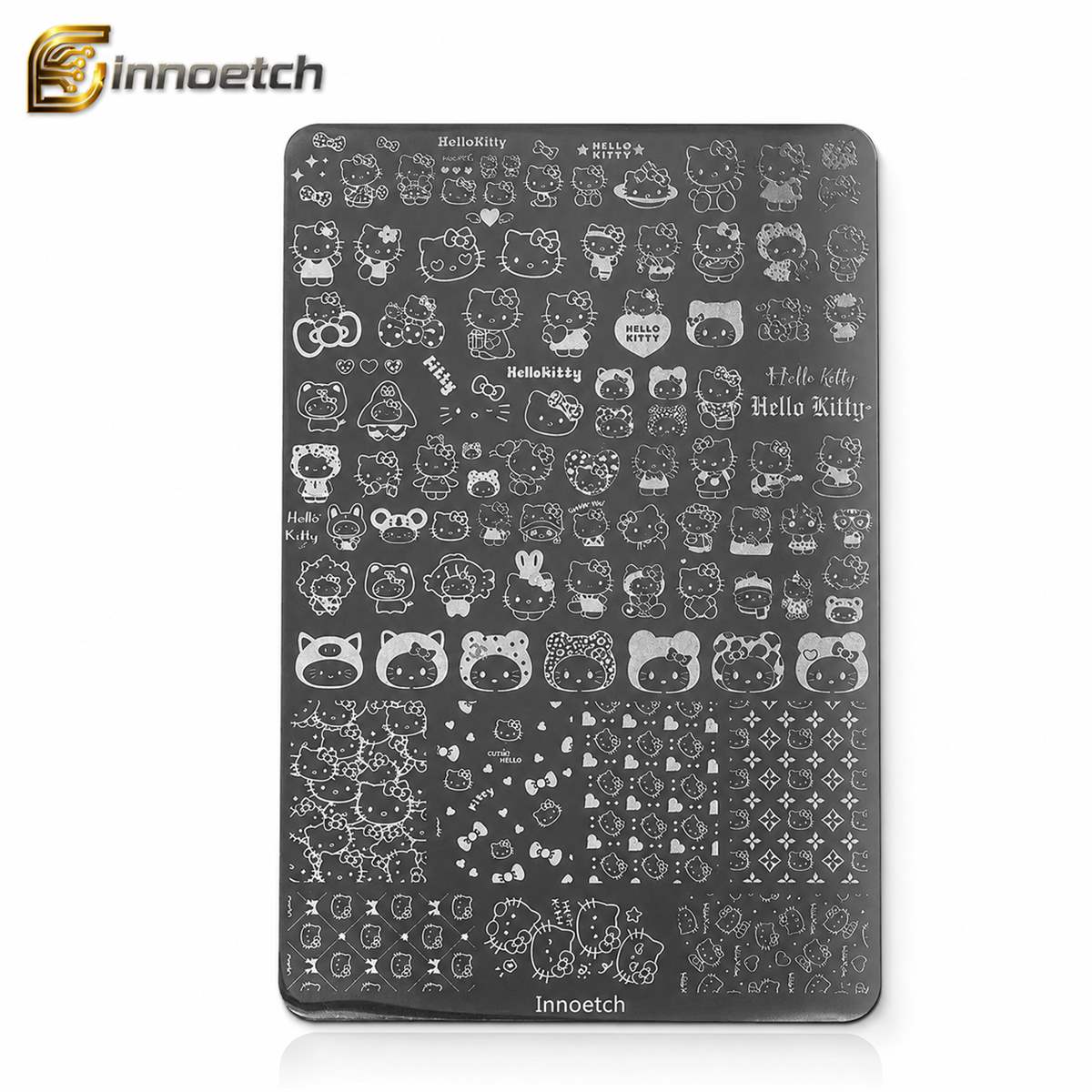
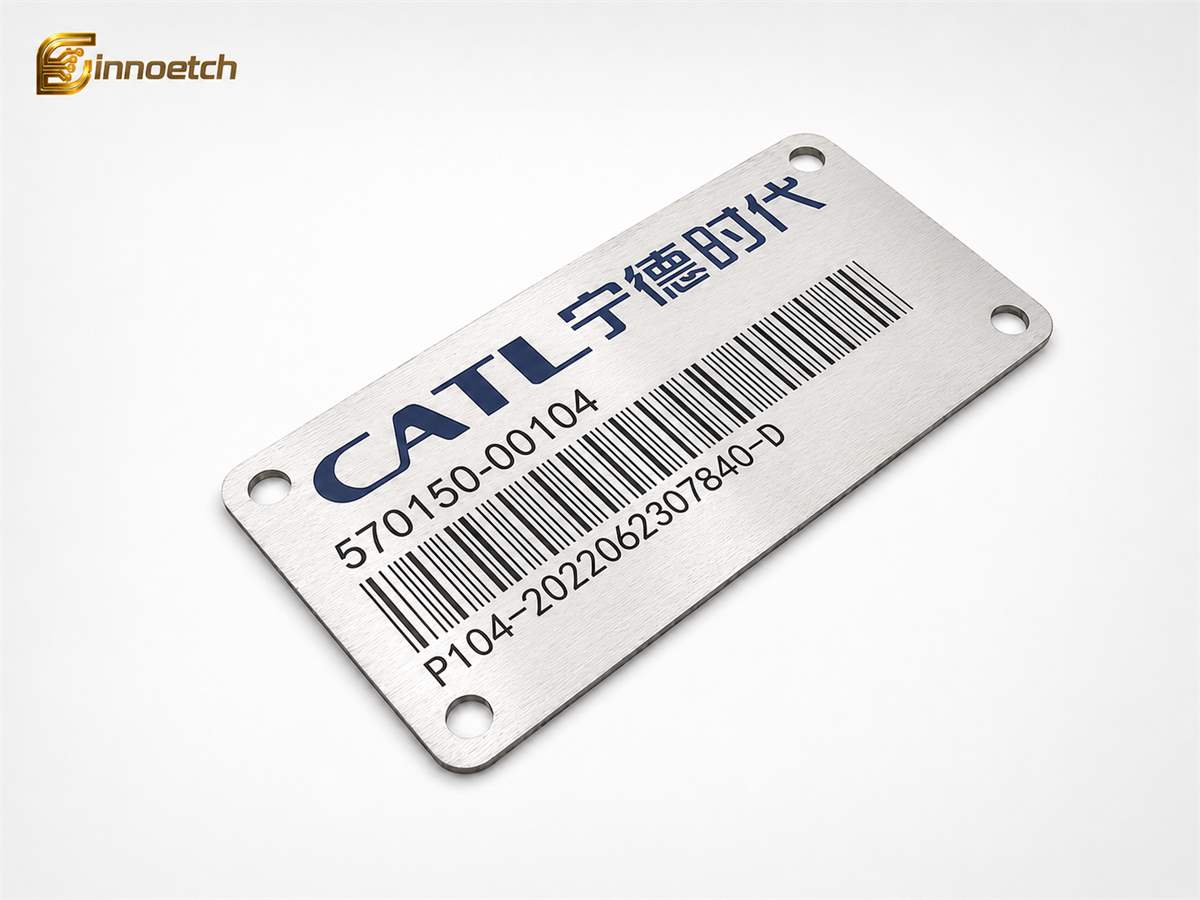
- Decorative nameplates
- Stainless steel mesh
Popular grades may include 301, 304, 316, and 316L stainless steel, depending on strength, corrosion resistance, and application requirements.
2. Is Copper Suitable for Chemical Etching?
Yes. Copper and copper alloys are suitable for precision chemical etching, especially when electrical or thermal conductivity is important.
Copper is commonly used for:
- Electronic contacts
- Conductive components
- EMI shielding parts
- Battery components
- Heat transfer parts
- Connector components
- Precision electronic parts
Copper is soft and highly conductive, so engineers should consider thickness, handling strength, surface finish, and post-processing requirements when designing copper etched parts.
3. Can Brass and Bronze Be Chemically Etched?
Yes. Brass and bronze are often used for decorative, electrical, and precision mechanical components. These copper alloys combine good workability with attractive appearance and useful mechanical properties.
Typical applications include:
- Decorative metal parts
- Nameplates
- Contacts
- Springs
- Fine mechanical parts
- Craft ornaments
- Precision plates
Brass and bronze are useful when the part needs both appearance and function.
4. Is Nickel Used for Precision Etched Parts?
Yes. Nickel and nickel alloys can be used for precision etched components that require strength, corrosion resistance, spring performance, or stable electrical properties.
Nickel-based materials may be used for:
- Battery components
- Spring elements
- Electronic parts
- Semiconductor-related parts
- Precision functional components
- Corrosion-resistant parts
Nickel alloys may require more careful process control than some common metals, so material grade and thickness should be clearly specified.
5. Can Aluminum Be Used in Chemical Etching?
Yes, aluminum can be chemically etched, but it requires careful process control because it reacts differently from stainless steel, copper, or nickel.
Aluminum is often chosen for its light weight, good thermal conductivity, and corrosion resistance. It may be used for:
- Lightweight metal parts
- Decorative panels
- Nameplates
- Heat-related components
- Electronic and structural parts
Engineers should confirm alloy grade, surface condition, thickness, and finish requirements before production.
6. Can Molybdenum Be Chemically Etched?
Yes. Molybdenum is used in advanced applications where high temperature resistance, dimensional stability, and special electrical or mechanical properties are required.
Possible applications include:
- Semiconductor components
- Electronic precision parts
- High-temperature components
- Specialty industrial parts
- Thin functional metal parts
Because molybdenum is a specialty material, engineers should consult the etching manufacturer early to confirm feasibility, tolerance, and cost.
7. Can Titanium and Specialty Alloys Be Etched?
Titanium and selected specialty alloys may be chemically etched, depending on the alloy type, thickness, surface condition, and required geometry.
These materials are often selected for demanding applications such as medical devices, aerospace-related parts, corrosion-resistant components, and high-performance industrial products.
Specialty alloys usually require early engineering review because etching speed, chemistry, tolerance, and surface finish may differ from standard materials.
8. What Spring Materials Can Be Chemically Etched?
Spring materials can often be etched when the part requires elastic performance, thin geometry, or fine features.
Common spring-related materials may include:
- Stainless steel 301
- Stainless steel 304
- Phosphor bronze
- Beryllium copper
- Nickel alloys
- Spring temper alloys
Applications include VCM camera springs, electrical contacts, elastic elements, clips, and precision spring components. If spring force is critical, engineers should specify material temper, grain direction, heat treatment, and final performance requirements.
9. What Materials Are Best for Precision Metal Mesh?
Precision metal mesh is commonly made from stainless steel, copper, nickel, brass, or other thin metal sheets, depending on the application.
Material selection depends on whether the mesh needs:
- Corrosion resistance
- Airflow
- Filtration
- Electrical conductivity
- Heat resistance
- Decorative appearance
- Mechanical strength
- Fine micro-hole accuracy
For filters, speaker grilles, dust mesh, and ventilation parts, stainless steel is often a strong option. For conductive mesh or shielding, copper or nickel materials may be more suitable.
10. How Does Material Thickness Affect Chemical Etching?
Material thickness is one of the most important factors in chemical etching. Thinner materials are usually easier to etch with fine holes, narrow slots, and dense patterns. Thicker materials may require larger openings, wider bridge widths, and looser tolerances.
As a practical rule, the minimum hole size, slot width, and bridge width should be reviewed against the material thickness. Very fine features are easier to achieve when the sheet is thin and stable.
11. How Should Engineers Choose the Right Material?
Engineers should choose the material based on function, not only price. The right material should support the part’s working environment and performance requirements.
Key selection factors include:
- Corrosion resistance
- Electrical conductivity
- Thermal conductivity
- Strength
- Elasticity
- Weight
- Surface appearance
- Thickness availability
- Tolerance requirement
- Post-processing needs
- Cost and production volume
If the part is still in development, engineers should discuss material options during the DFM review stage.
12. What Material Information Should Be Provided for a Quote?
To receive an accurate quote, engineers should provide complete material information.
Recommended details include:
- Material grade
- Sheet thickness
- Temper or hardness
- Surface finish
- Required certification
- Quantity
- CAD drawing
- Critical dimensions
- Post-processing requirements
- Application or function
Clear material information helps the manufacturer evaluate feasibility, price, lead time, and production risk.
13. Are All Metals Suitable for Chemical Etching?
Not all metals are equally suitable. Some materials may require special chemistry, slower processing, additional testing, or different cost assumptions. Very thick materials, coated materials, laminated materials, or materials with inconsistent surface conditions may also need special review.
Before production, the manufacturer should evaluate material compatibility, thickness, tolerance, etching behavior, and final application requirements.
Conclusion
Precision chemical etching can be used with many thin metal materials, including stainless steel, copper, brass, bronze, nickel, aluminum, molybdenum, titanium, and selected specialty alloys. The best material depends on the part’s function, thickness, precision requirement, environment, conductivity, strength, elasticity, and surface finish.
For custom etched metal parts, early material selection and DFM review are essential. Working with an experienced precision metal etching manufacturer such as INNOETCH helps engineers choose suitable materials, improve manufacturability, and support stable production from prototype samples to mass production.



Related Articles
What Materials Can Be Used for Precision Chemical Etching?
Learn which materials are suitable for precision chemical etching and how to choose the right one for custom etched meta...
Jun 22, 2026Metal Etching vs. Stamping: Which Is Better for Precision Parts?
Compare metal etching and stamping for precision parts, including tooling cost, design flexibility, burrs, and productio...
Jun 21, 2026How Photochemical Etching Produces High-Precision Stainless Steel Parts
Learn how photochemical etching forms precise stainless steel parts with fine features, smooth edges, and low mechanical...
Jun 20, 2026Why Is Metal Etching Ideal for IC Lead Frames?
Explains why metal etching suits IC lead frames, including fine patterns, prototype flexibility, thin metal accuracy, an...
Jun 19, 2026How Etched Channels in Vapor Chambers Improve Thermal Performance?
Explores how etched vapor chamber channels guide fluid flow, improve heat spreading, and support compact electronics coo...
Jun 18, 2026