
Why Is Chemical Etching Better Than Laser Cutting?
Chemical etching is better than laser cutting when a part requires fine details, thin materials, burr-free edges, no heat-affected zone, and complex patterns. Unlike laser cutting, chemical etching removes metal through a controlled chemical reaction rather than heat, so it avoids thermal deformation, edge hardening, discoloration, and heat-related material changes.
This makes chemical etching especially suitable for precision thin metal components used in electronics, filtration, audio products, medical devices, automotive parts, and industrial equipment.
What Is Chemical Etching?
Chemical etching, also called photochemical etching or precision metal etching, is a subtractive manufacturing process that removes selected areas of metal using a controlled chemical solution. A photoresist mask protects the areas that need to remain, while the exposed metal is dissolved to form the final shape.
Because the process does not use mechanical force or thermal cutting, it can produce complex openings, fine slots, dense mesh patterns, and delicate metal features without burrs, stress, or heat damage.
What Is Laser Cutting?
Laser cutting uses a focused laser beam to melt, burn, or vaporize metal along a programmed cutting path. It is a flexible and common process for sheet metal fabrication, enclosures, brackets, structural parts, and general metal cutting.
However, laser cutting introduces heat into the material. For thin, delicate, or micro-featured parts, this heat can cause thermal distortion, edge discoloration, hardened edges, recast material, or dimensional instability.
1. Chemical Etching Creates No Heat-Affected Zone
The biggest difference between chemical etching and laser cutting is heat. Laser cutting depends on intense heat to cut through metal, which can create a heat-affected zone near the cutting edge.
A heat-affected zone may change the metal’s hardness, microstructure, surface color, or edge performance. This can be a problem for precision parts used in electronics, filtration, acoustic products, medical devices, and mechanical assemblies.
Chemical etching removes metal through chemical reaction instead of heat. As a result, it avoids heat-affected edges, thermal discoloration, and heat-related deformation.
2. Chemical Etching Produces Burr-Free Edges
Chemical etching is naturally burr-free because the metal is dissolved rather than mechanically cut or thermally melted. This is a major advantage for parts where edge quality affects assembly, airflow, filtration, electrical contact, or product reliability.
Laser cutting can produce good edges in many applications, but depending on the material and cutting parameters, it may leave dross, roughness, recast layers, or small burrs that require secondary finishing.
For precision filters, shims, mesh components, and electronic parts, burr-free edges help reduce post-processing and improve product consistency.
3. Chemical Etching Is Better for Fine Details and Dense Patterns
Laser cutting follows a beam path, so very small features, dense holes, and complex micro patterns may increase processing time or become limited by beam size and heat spread.
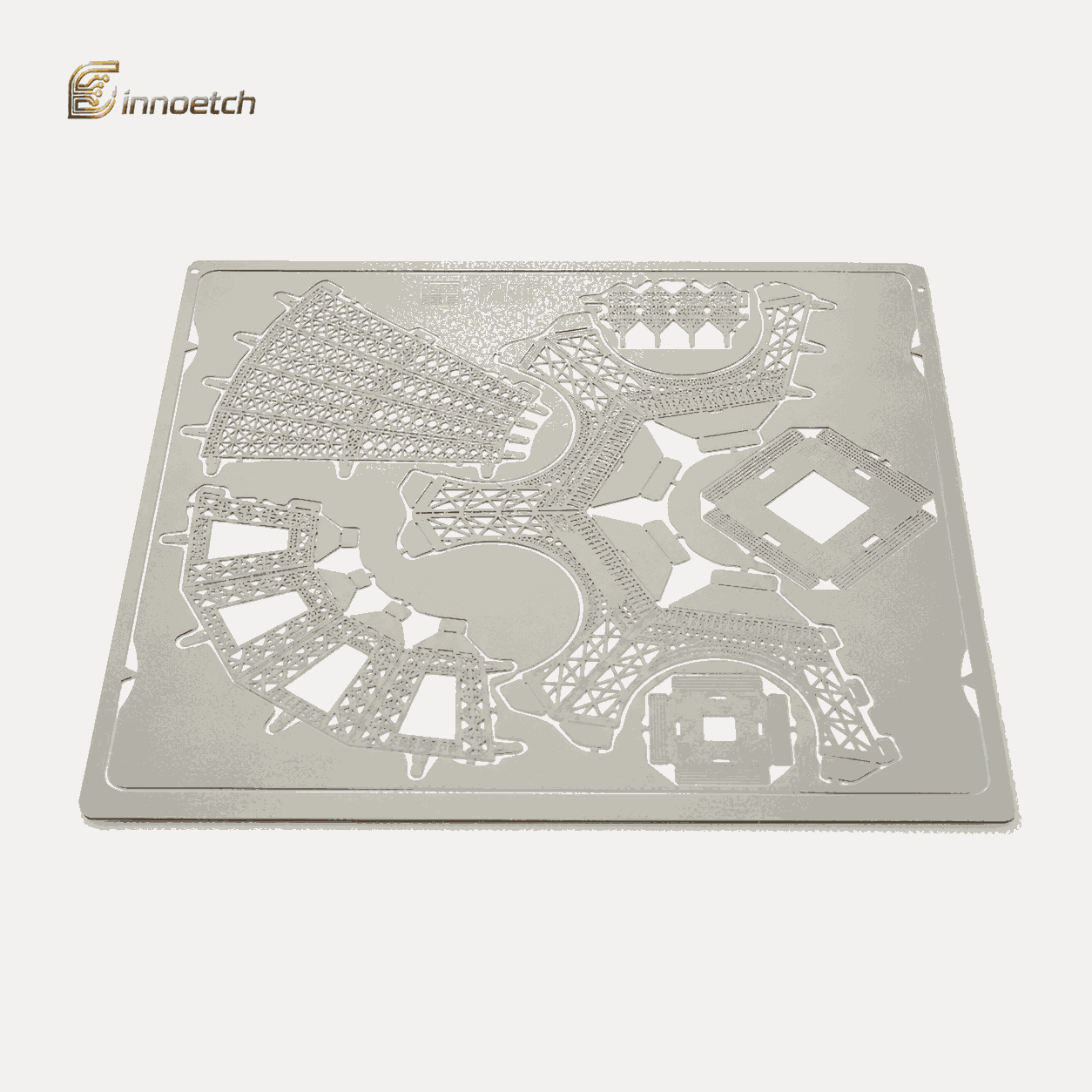
Chemical etching uses photoresist imaging to define the part geometry. This allows manufacturers to produce fine holes, narrow slots, logos, mesh patterns, micro openings, and complex outlines with high repeatability.
For high-density metal mesh, dust filters, speaker grilles, encoder discs, and micro precision parts, chemical etching is often more suitable than laser cutting.
4. Chemical Etching Reduces Thin Metal Warping
Thin metal sheets and foils are sensitive to heat. During laser cutting, localized heating can cause warping, curling, or dimensional changes, especially when the design includes many openings or narrow connecting areas.
Chemical etching is a non-contact and non-thermal process. It does not press, stretch, melt, or thermally stress the material. This helps maintain flatness and dimensional accuracy in thin stainless steel, copper, nickel, aluminum, and other metal alloys.
This is important for precision shims, thin filters, battery components, camera spring parts, and electronic shielding components.
5. Chemical Etching Offers Greater Design Freedom
Chemical etching can create complex geometries without expensive hard tooling. A design with hundreds or thousands of openings can be processed across a metal sheet at the same time.
Laser cutting must trace each cutting path. For simple profiles, this is efficient. But for dense patterns or highly complex designs, cutting time and cost may increase significantly.
Chemical etching is therefore highly effective for custom etched metal parts where complexity, fine detail, and repeatability matter.
6. Chemical Etching Can Be More Cost-Effective for Complex Thin Parts
Laser cutting is often cost-effective for thicker sheets, simple outlines, or low-volume general fabrication. But when a thin metal part contains many holes, narrow slots, or micro features, laser cutting may become slower and require more finishing.
Chemical etching uses digital artwork and sheet-level processing. This can reduce tooling cost, speed up prototyping, and improve cost efficiency for complex thin metal parts.
For companies developing custom precision metal components, chemical etching can support both prototype development and scalable production.
7. Chemical Etching Supports Stable Batch Quality
For parts with repeated features, such as mesh openings or filter holes, consistency is essential. Chemical etching uses controlled artwork, process parameters, and inspection steps to maintain repeatable results across production batches.
Laser cutting can also be repeatable, but heat accumulation, beam focus, cutting sequence, and part geometry may affect consistency on delicate thin metal parts.
For high-volume precision etched components, chemical etching provides a stable manufacturing route from sample testing to mass production.
When Is Laser Cutting Better Than Chemical Etching?
Laser cutting can be better for thicker materials, larger structural parts, simple profiles, fast one-off cutting, and applications where heat effects are acceptable.
Chemical etching is usually better when the part is thin, complex, detailed, and sensitive to burrs, heat damage, or dimensional distortion. The right choice depends on material thickness, tolerance requirements, part geometry, production volume, and edge quality expectations.
Common Applications Where Chemical Etching Performs Better
Chemical etching is commonly used for:
Precision metal mesh
Stainless steel filters
Dust filter mesh
Speaker grilles
Precision shims
Encoder discs
Battery current collectors
Camera spring components
Electronic shielding parts
Micro mechanical parts
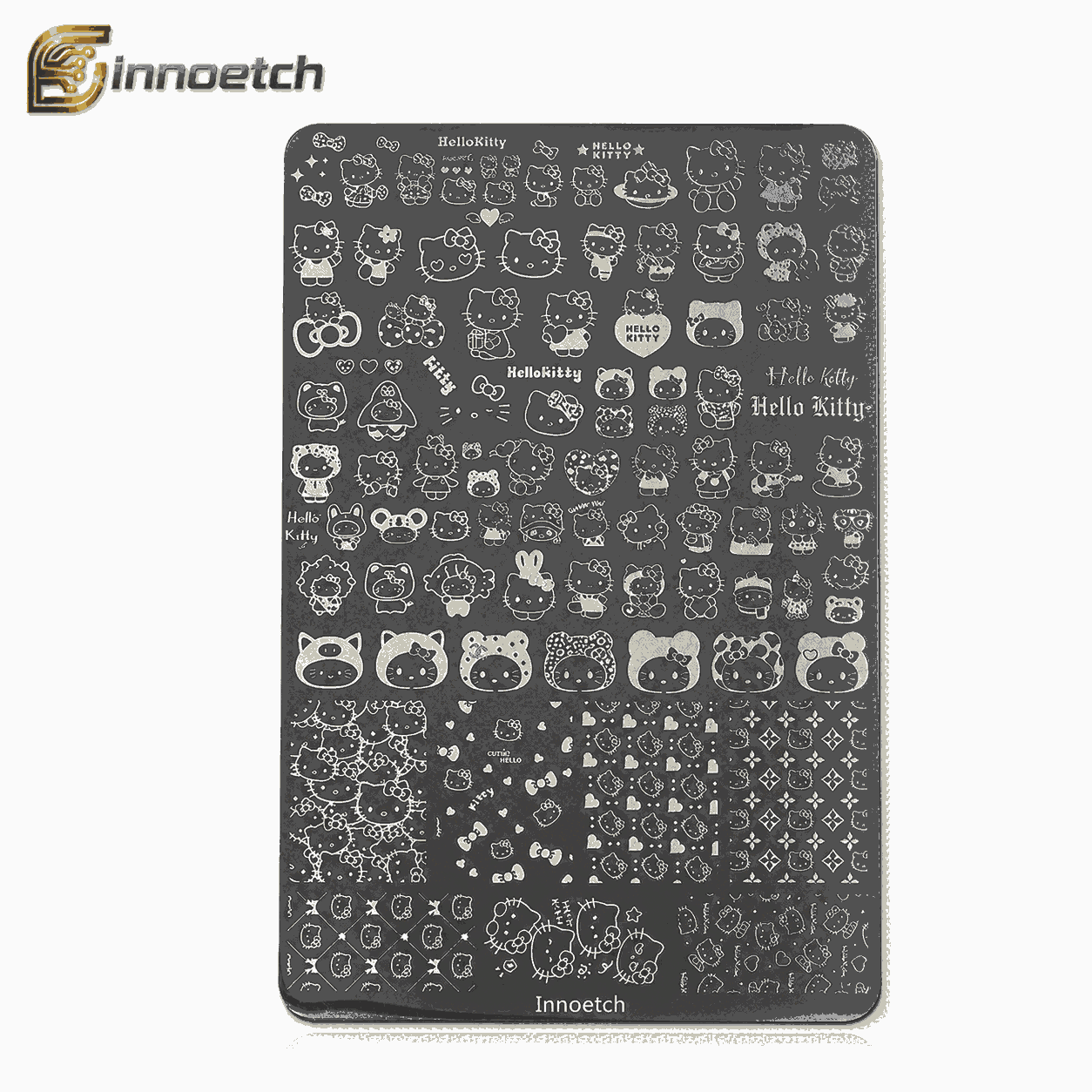
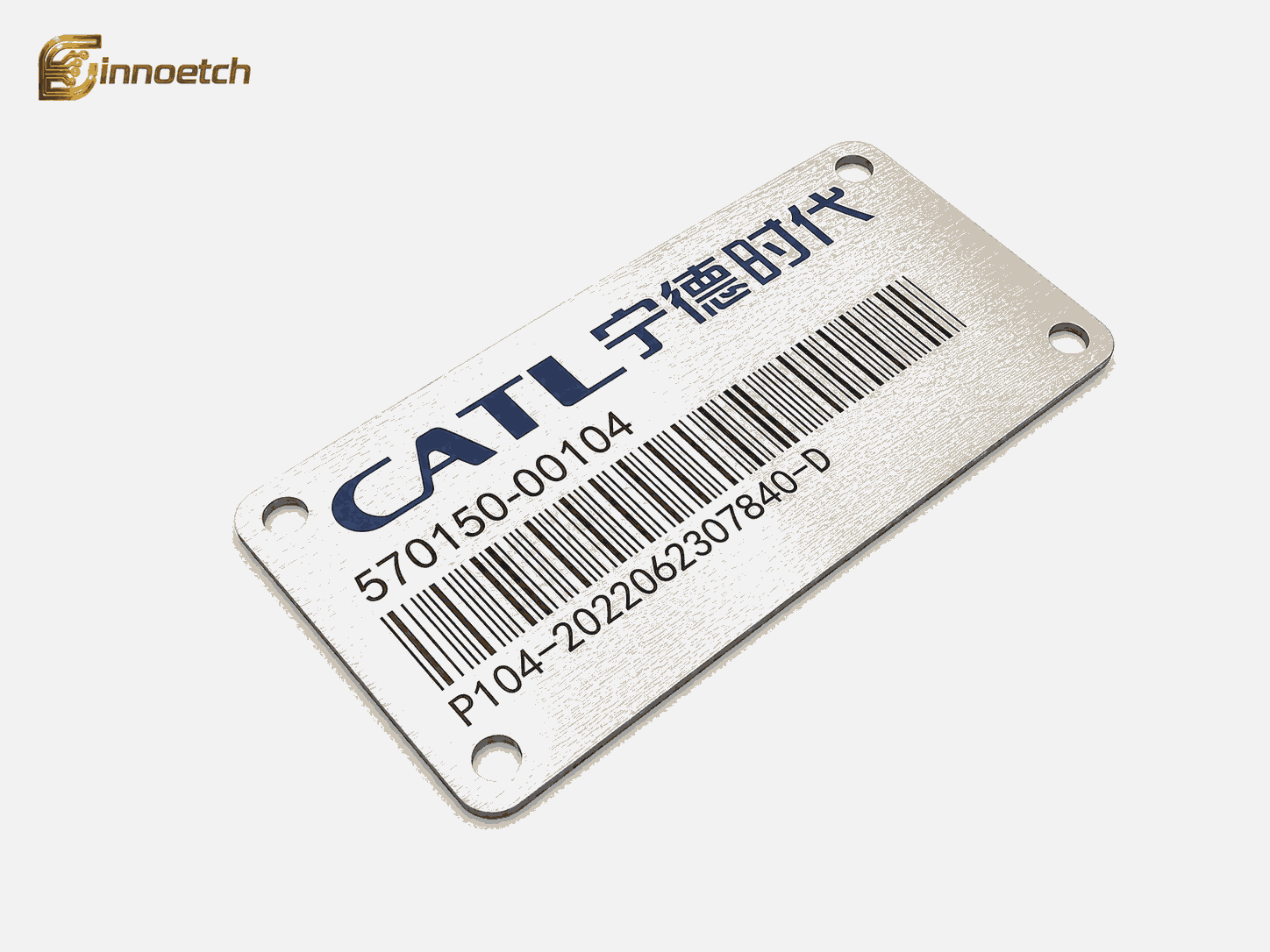
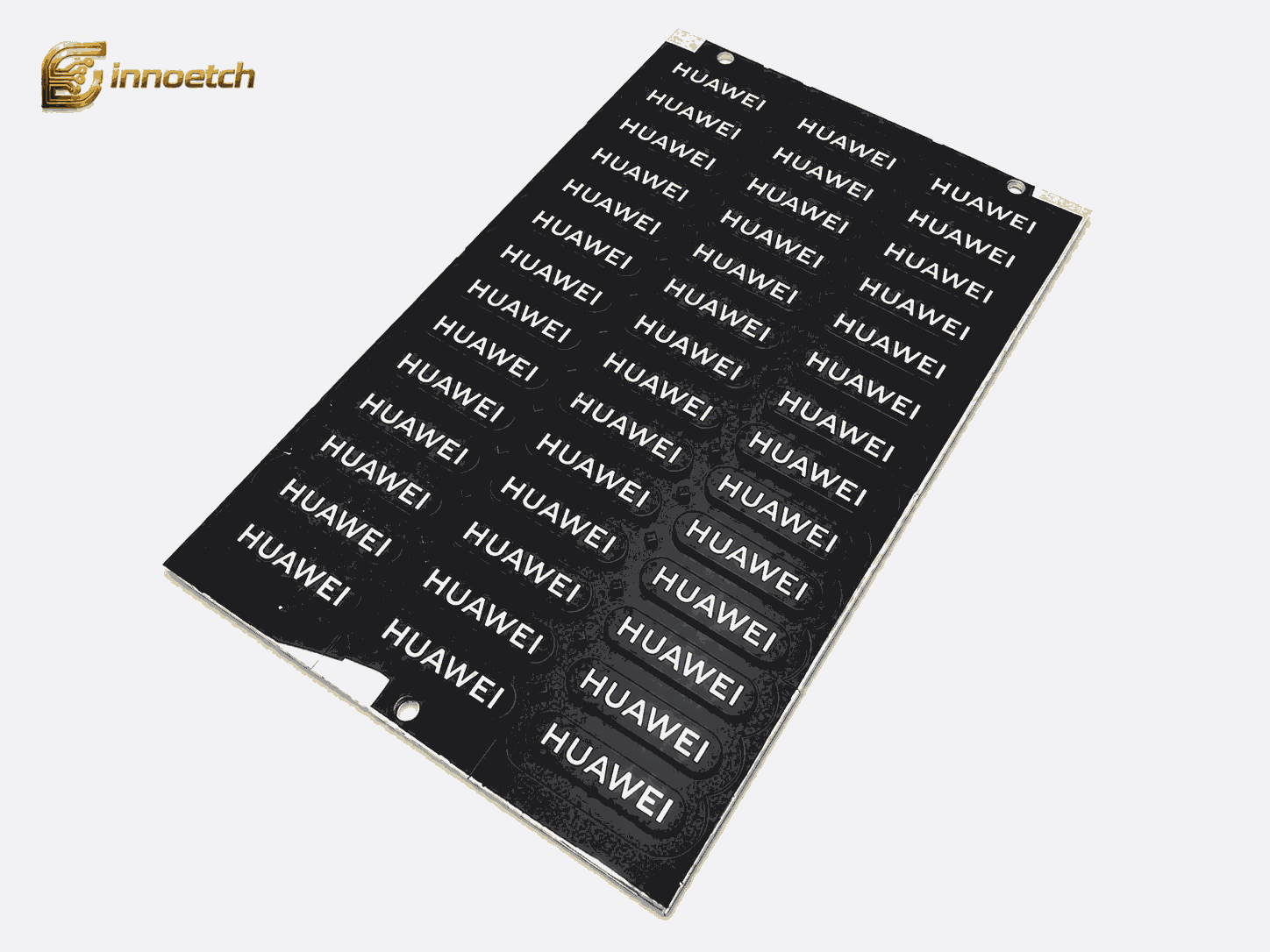
Decorative nameplates
Custom thin metal components
These applications often require clean edges, stable dimensions, complex micro features, and consistent quality from prototype to mass production.
FAQ About Chemical Etching vs Laser Cutting
Q1: Is chemical etching better than laser cutting?
Chemical etching is better than laser cutting for thin, complex, high-precision metal parts that require burr-free edges, fine details, no heat-affected zones, and stable batch quality.
Q2: Does chemical etching create heat damage?
No. Chemical etching is a non-thermal process. It removes metal through chemical reaction, so it avoids thermal discoloration, heat-affected edges, and heat-related deformation.
Q3: Which process is better for thin stainless steel parts?
Chemical etching is often better for thin stainless steel parts because it avoids burrs, warping, mechanical stress, and thermal damage.
Q4: Is chemical etching suitable for precision metal mesh?
Yes. Chemical etching is highly suitable for precision metal mesh because it can produce dense openings, fine patterns, and clean edges with strong repeatability.
Q5: Is chemical etching cheaper than laser cutting?
It depends on the part. Laser cutting may be cheaper for simple or thicker parts. Chemical etching is often more cost-effective for complex thin metal parts with many holes, slots, or micro features.
Q6: Can chemical etching replace laser cutting completely?
No. Chemical etching and laser cutting serve different manufacturing needs. Chemical etching is better for precision thin metal parts, while laser cutting is often better for larger, thicker, or simpler sheet metal components.
Conclusion
Chemical etching is better than laser cutting for many precision thin metal components because it provides burr-free edges, no heat-affected zone, excellent design flexibility, reduced deformation, and stable batch quality.
For manufacturers and product developers who need precision metal mesh, filters, shims, speaker grilles, electronic components, battery parts, or custom thin metal parts, chemical etching offers a reliable solution from prototype development to mass production.



Related Articles
How Should Engineers Prepare CAD Drawings for Precision Metal Etching?
Accurate CAD drawings are essential for successful precision metal etching. A well-prepared drawing helps manufacturers ...
Jun 11, 2026What Are the Design Guidelines for Custom Photo Etched Metal Parts?
Designing custom photo etched metal parts requires more than drawing the final shape. Material thickness, hole size, bri...
Jun 11, 2026Metal Etching vs Stamping: Which Is Better for Precision Parts?
Metal etching and stamping are two common manufacturing processes for producing metal components, but they are designed ...
Jun 10, 2026What Is a Vapor Chamber?
A vapor chamber is a high-efficiency thermal management component used to spread heat across a flat surface. It is commo...
Jun 10, 2026What Is a Fuel Cell Bipolar Plate?
A fuel cell bipolar plate is one of the most important components in a hydrogen fuel cell stack. It distributes hydrogen...
Jun 10, 2026