
What Is Chemical Etching?
Chemical etching, also known as photochemical etching or precision metal etching, is a subtractive manufacturing process that removes selected areas of metal using a controlled chemical solution. A photoresist mask protects the areas that should remain, while the exposed areas are etched away to form the final shape.
Unlike stamping, chemical etching does not use hard dies to punch or deform the metal. This means the process can create complex openings, fine patterns, and delicate geometries without mechanical stress, burrs, or distortion.
What Is Metal Stamping?
Metal stamping is a manufacturing process that uses dies and presses to cut, bend, or form metal sheets into specific shapes. It is a strong option for simple parts, thick materials, and extremely high-volume production where the design is stable and tooling investment is justified.
However, stamping requires custom hard tooling. If the design changes, the die may need to be modified or rebuilt. For complex thin metal parts, stamping can also create burrs, stress, deformation, or limitations in feature detail.
Why Is Chemical Etching Better Than Stamping?
Chemical etching is better than stamping when the part requires fine detail, tight dimensional control, thin material, complex geometry, or fast design changes. Because the process is based on digital artwork and chemical removal, it avoids many of the mechanical limitations of stamping.
For engineers and buyers, the biggest benefits are lower tooling cost, faster prototyping, burr-free edges, no mechanical stress, and greater design freedom.
1. Chemical Etching Has Lower Tooling Costs
Stamping usually requires expensive hard tooling. For a new product, this means higher upfront investment before production can begin. If the part design changes, the tooling may need additional modification.
Chemical etching uses digital tooling instead of hard dies. This makes it more cost-effective for prototypes, small batches, customized parts, and products that may require design updates.
For companies developing new components, chemical etching can reduce early-stage manufacturing risk and shorten the path from design to production.
2. Chemical Etching Is Better for Complex Designs
Chemical etching can produce fine holes, slots, mesh patterns, logos, sharp contours, and complex geometries in a single process. The complexity of the pattern does not significantly increase tooling difficulty.
Stamping, on the other hand, becomes more difficult and expensive when the part includes very fine features, dense openings, or intricate shapes.
This makes chemical etching especially suitable for precision metal mesh, dust filters, speaker grilles, encoder discs, spring contacts, and electronic components.
3. Chemical Etching Produces Burr-Free Edges
One of the biggest advantages of chemical etching is that it produces burr-free parts. Since the metal is removed chemically rather than mechanically punched, there is no tearing or shearing force at the edge.
Stamping can leave burrs, sharp edges, or deformation, especially on thin or detailed parts. These defects may require secondary deburring, polishing, or cleaning processes.
For applications where edge quality affects assembly, performance, filtration, airflow, or electrical contact, burr-free chemical etching is a major advantage.
4. Chemical Etching Avoids Mechanical Stress and Deformation
Stamping applies pressure to the metal. This can introduce internal stress, bending, warping, or distortion, especially when the material is thin or the design includes delicate features.
Chemical etching is a non-contact process. It does not press, cut, or stretch the metal mechanically. As a result, it helps maintain flatness, dimensional stability, and material properties.
This is important for precision shims, elastic elements, micro parts, electronic components, and thin stainless steel products.
5. Chemical Etching Supports Faster Prototyping
When a stamped part needs to be changed, the tooling often needs to be adjusted. This takes time and increases cost.
With chemical etching, design changes can often be made by updating the artwork file. This allows engineers to test multiple versions quickly before finalizing the design.
For new product development, this flexibility can significantly shorten the prototyping cycle.
6. Chemical Etching Is Ideal for Thin Metal Parts
Chemical etching is especially effective for thin metal sheets and foils. It can create fine features without bending or damaging the material.
Stamping thin metal can be challenging because the material may deform, tear, or develop burrs during punching. The finer the feature, the harder it becomes to maintain consistency.
For thin stainless steel filters, precision meshes, battery components, speaker grilles, and electronic parts, chemical etching is often the preferred process.
7. Chemical Etching Allows Multiple Part Designs on One Sheet
Chemical etching can process multiple designs on the same metal sheet, depending on material, thickness, and production requirements. This is useful for prototyping, testing, and producing part families.
Stamping typically requires separate tooling for different shapes or designs. This can make low-volume customization expensive and inefficient.
Is Stamping Ever Better Than Chemical Etching?
Yes. Stamping can be better for simple, stable designs in extremely high volumes, especially when the part geometry is not complex and the tooling cost can be spread across millions of parts.
However, for precision components with complex details, thin materials, frequent design changes, or strict edge quality requirements, chemical etching is usually the better manufacturing choice.
Common Applications Where Chemical Etching Outperforms Stamping
Chemical etching is widely used for:
Precision metal mesh
Stainless steel filters
Speaker grilles
Dust filter mesh
Precision shims
Encoder discs
Battery current collectors
Camera spring components
Electronic shielding parts
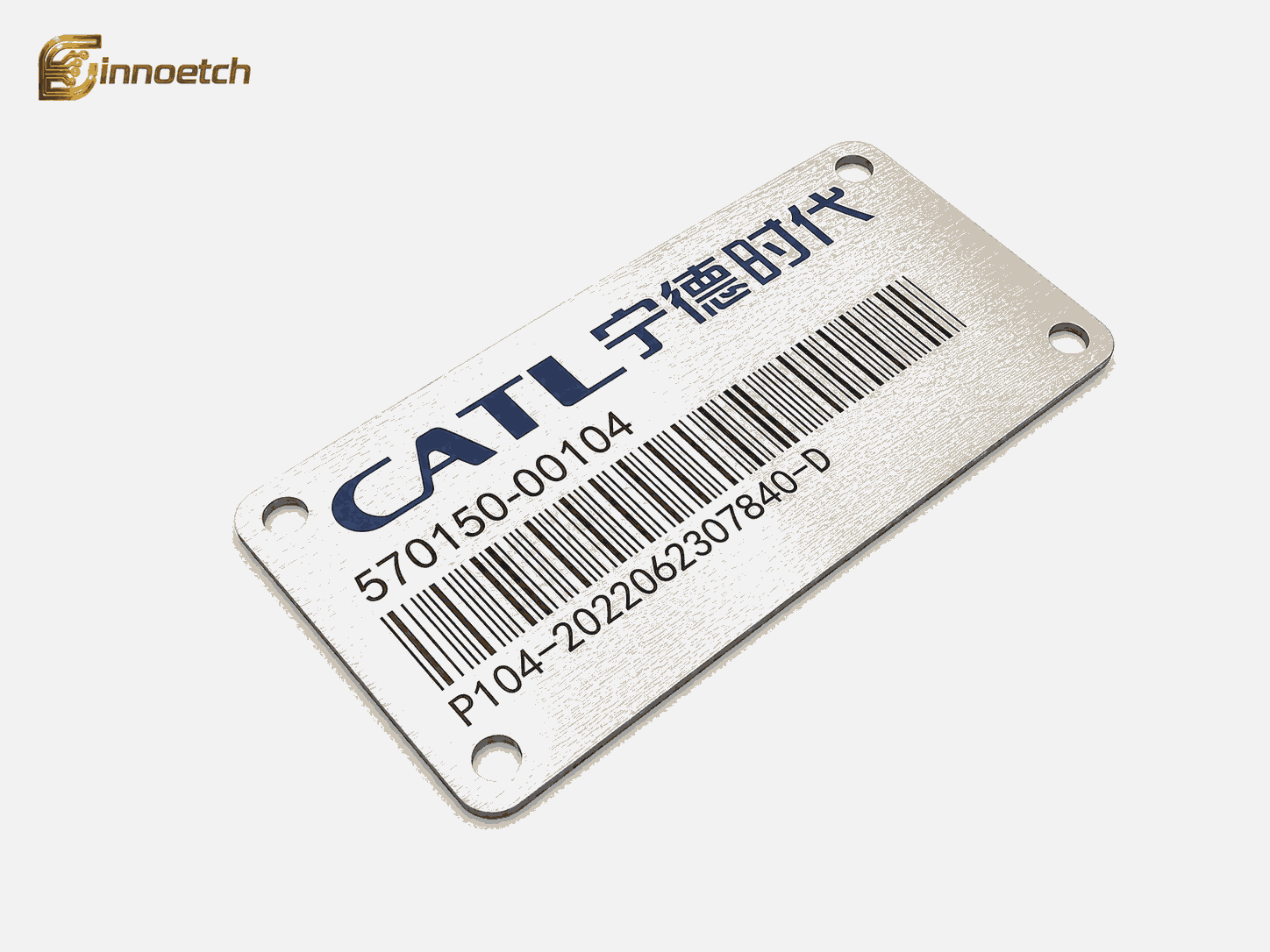
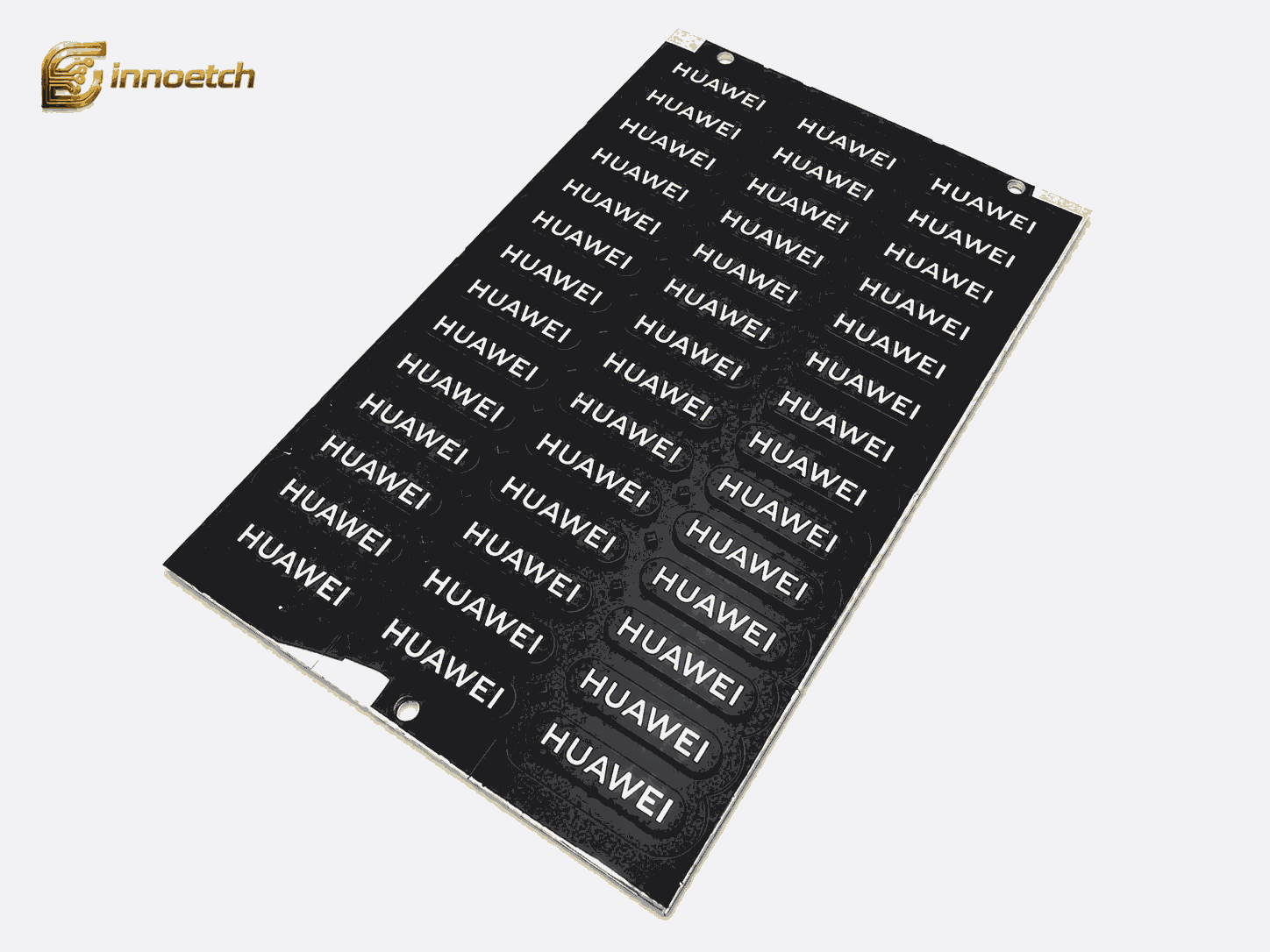
Decorative nameplates
Micro mechanical components
Custom thin metal parts
These applications often require clean edges, high repeatability, flexible design, and stable quality from prototype development to mass production.
FAQ About Chemical Etching vs Stamping
Q1: Is chemical etching cheaper than stamping?
Chemical etching is often cheaper for prototypes, small batches, complex parts, and custom designs because it does not require expensive hard tooling. For very high-volume simple parts, stamping may become more cost-effective.
Q2: Does chemical etching create burrs?
No. Chemical etching is a burr-free process because the metal is dissolved chemically instead of being punched or cut mechanically.
Q3: Is chemical etching suitable for mass production?
Yes. With stable process control and quality inspection, chemical etching can support both prototype development and mass production.
Q4: When should I choose chemical etching instead of stamping?
Choose chemical etching when your part requires fine details, complex openings, thin materials, burr-free edges, fast prototypes, or flexible design changes.
Q5: When is stamping a better option?
Stamping may be better for simple metal parts produced in extremely high volumes, where the design is fixed and the cost of hard tooling is justified.
Q6: Can chemical etching replace stamping completely?
No. Chemical etching and stamping serve different manufacturing needs. Chemical etching is better for precision, flexibility, and complex thin parts, while stamping is better for certain high-volume simple parts.
Conclusion
Chemical etching is better than stamping for many precision metal parts because it offers lower tooling costs, faster prototyping, burr-free edges, no mechanical stress, and greater design freedom.
For companies that need precision metal mesh, filters, shims, electronic components, speaker grilles, or custom thin metal parts, chemical etching provides a flexible and reliable manufacturing solution from prototype to mass production.



Related Articles
How Should Engineers Prepare CAD Drawings for Precision Metal Etching?
Accurate CAD drawings are essential for successful precision metal etching. A well-prepared drawing helps manufacturers ...
Jun 11, 2026What Are the Design Guidelines for Custom Photo Etched Metal Parts?
Designing custom photo etched metal parts requires more than drawing the final shape. Material thickness, hole size, bri...
Jun 11, 2026Metal Etching vs Stamping: Which Is Better for Precision Parts?
Metal etching and stamping are two common manufacturing processes for producing metal components, but they are designed ...
Jun 10, 2026What Is a Vapor Chamber?
A vapor chamber is a high-efficiency thermal management component used to spread heat across a flat surface. It is commo...
Jun 10, 2026What Is a Fuel Cell Bipolar Plate?
A fuel cell bipolar plate is one of the most important components in a hydrogen fuel cell stack. It distributes hydrogen...
Jun 10, 2026