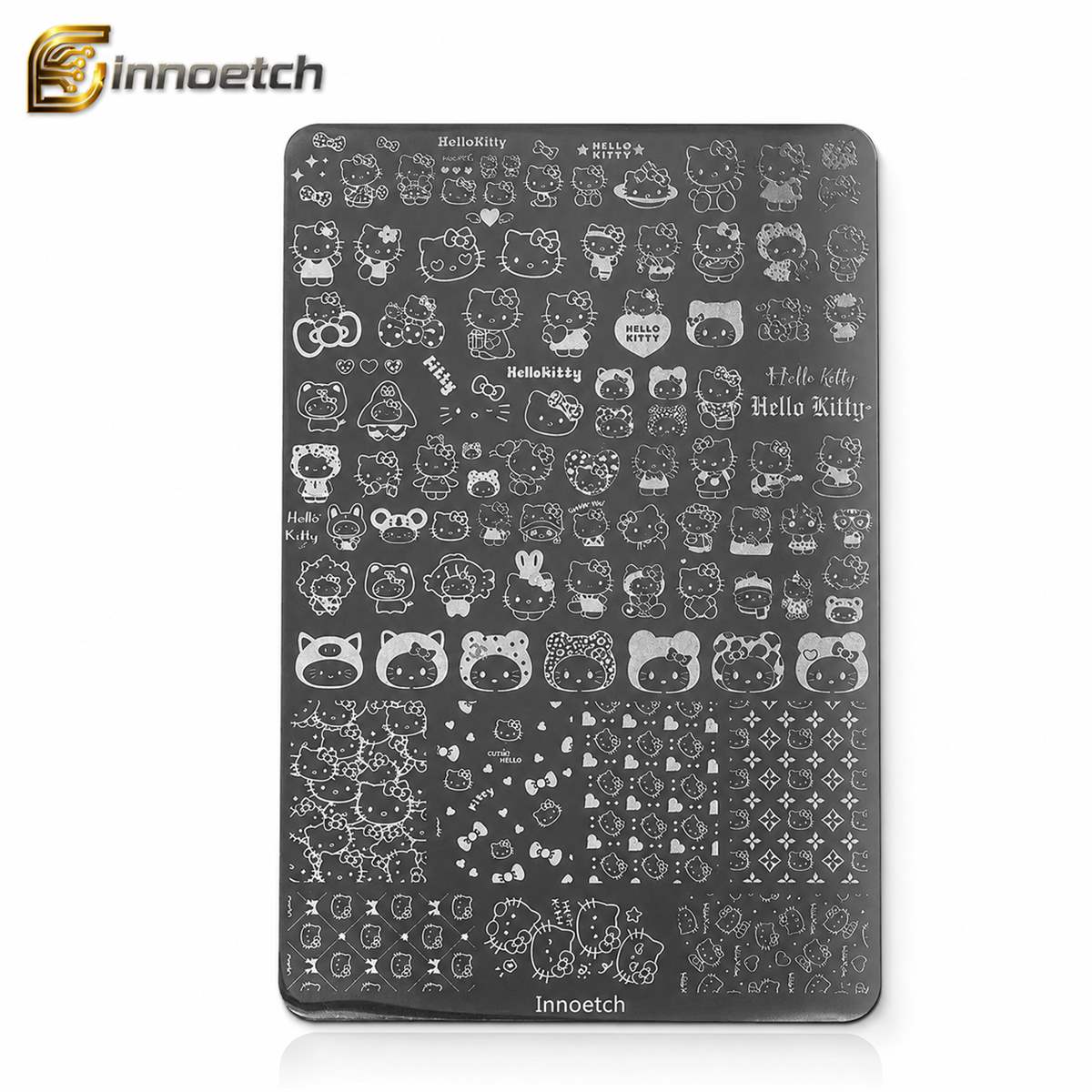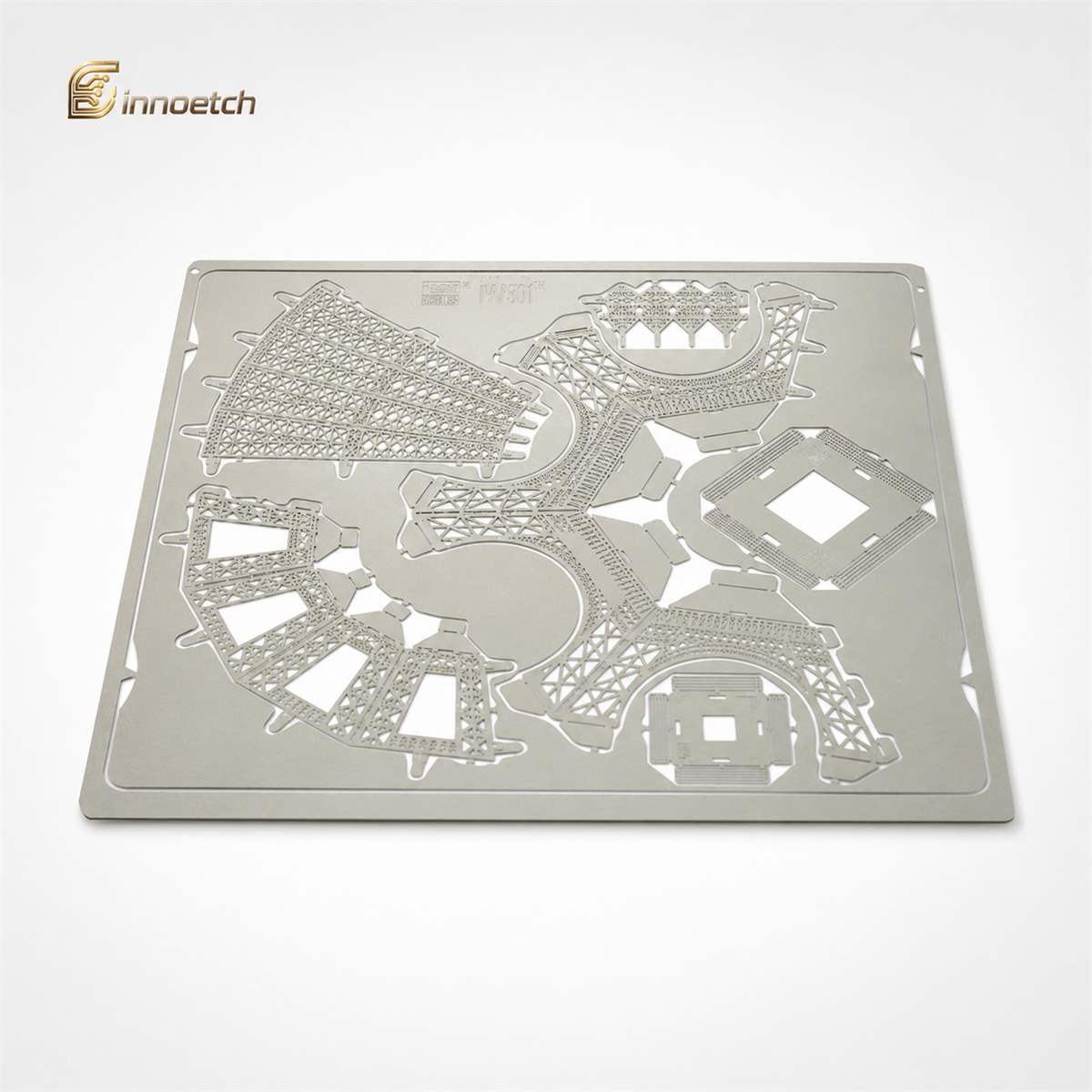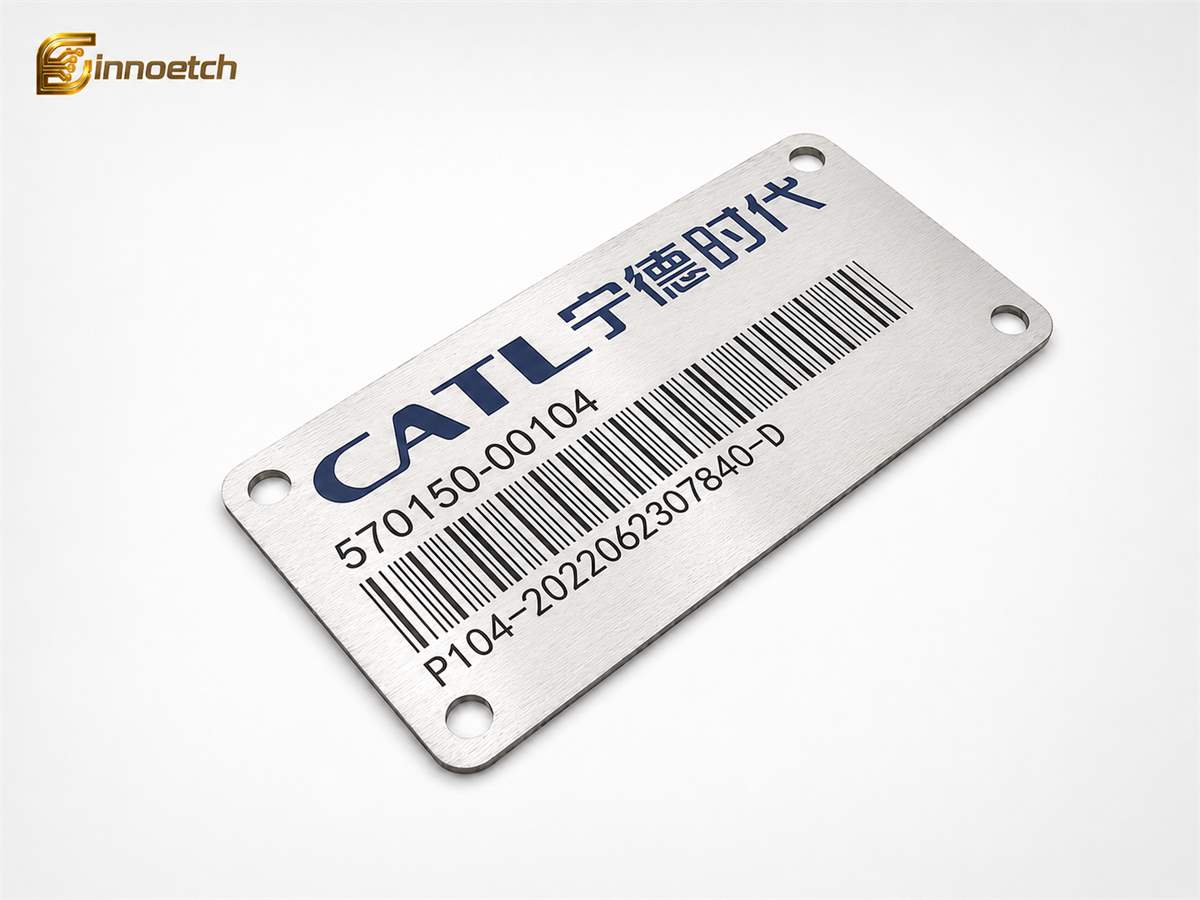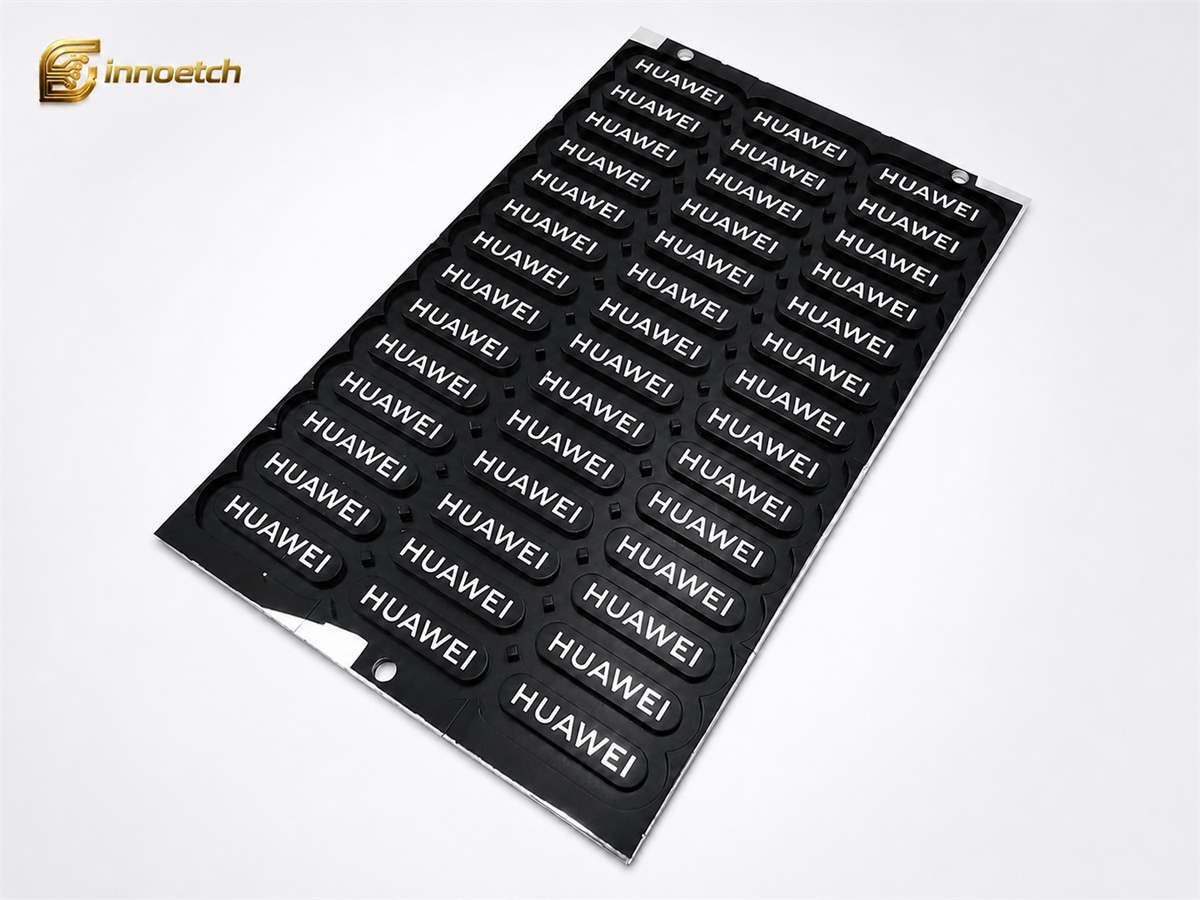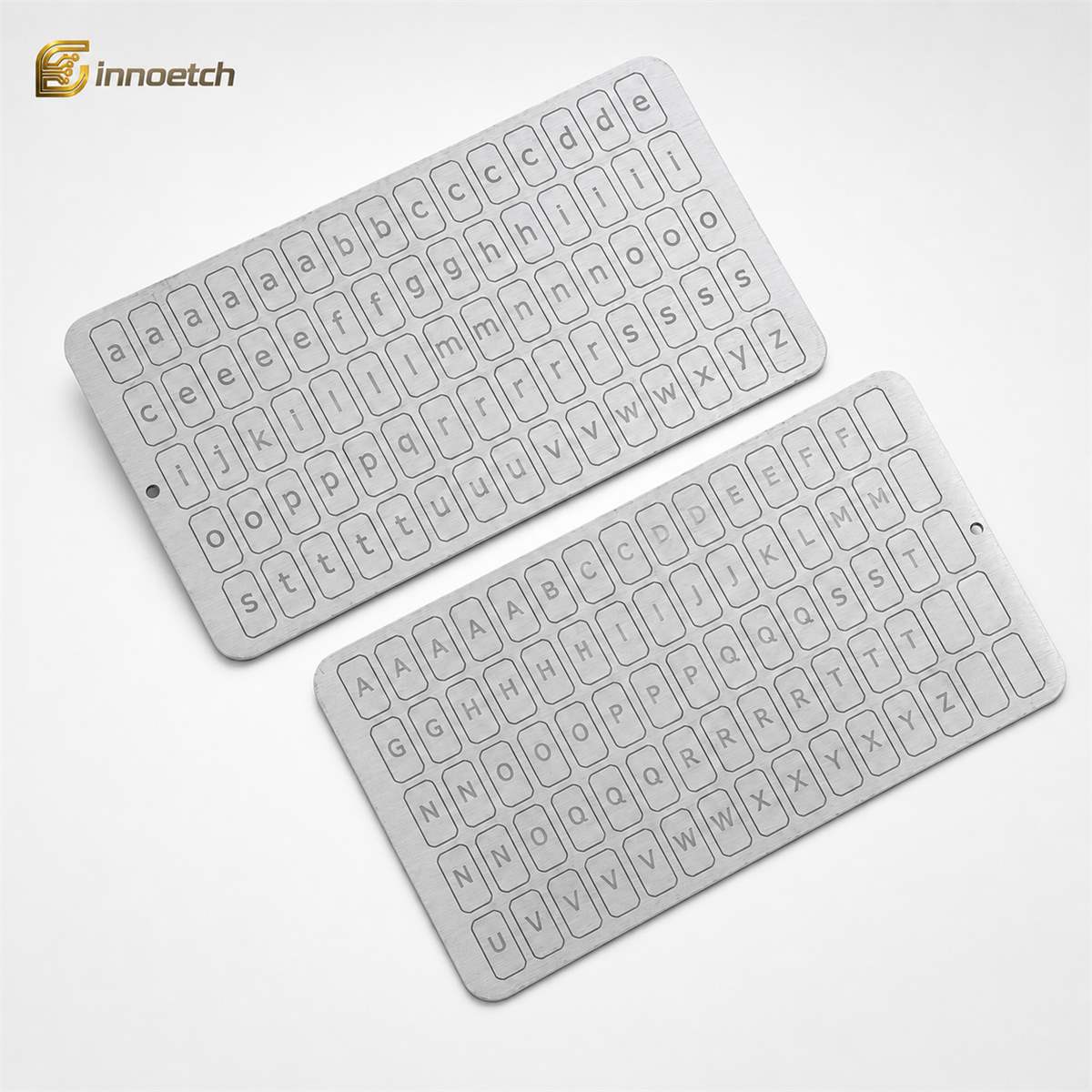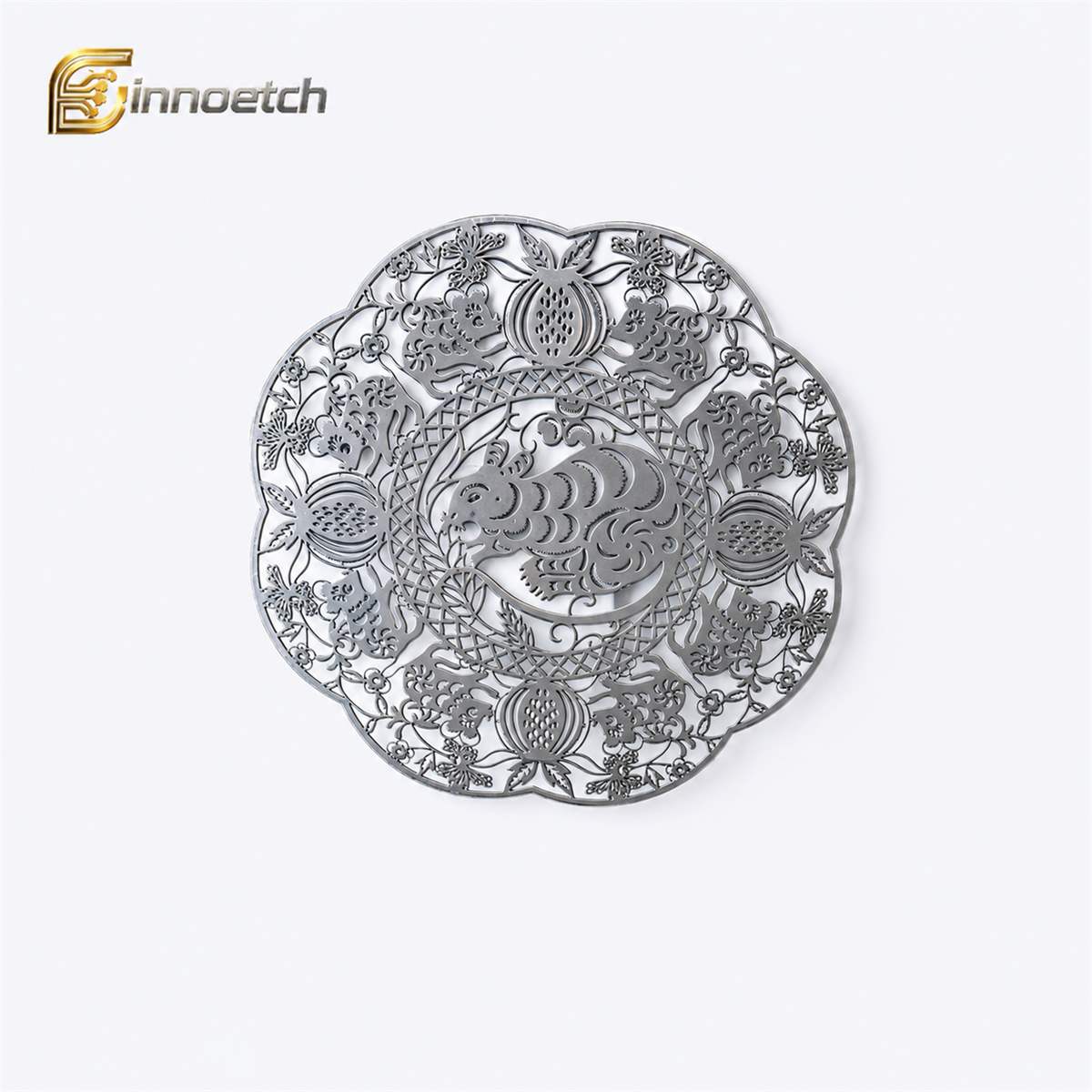

Design guidance for photo etched metal parts, including hole size, spacing, tabs, tolerances, materials, and drawing preparation.
Custom photo etched metal parts are widely used in electronics, filtration, shielding, precision shims, speaker grilles, battery components, medical devices, automotive parts, and other applications that require fine details in thin sheet metal.
Photo etching, also called photochemical etching or chemical etching, uses a photoresist pattern and chemical etchant to remove selected areas of metal. Compared with stamping, laser cutting, or wire EDM, it is especially useful for thin, complex, burr-free parts with tight repeatability and low tooling cost.
Below are the most important design guidelines to follow when developing custom photo etched components.
The best material depends on the part’s function, environment, strength requirement, conductivity, corrosion resistance, and spring performance.
Common materials include:
For best results, designers should specify the exact material grade, thickness, hardness or temper, surface condition, and any post-treatment requirements.
Material thickness is one of the most important design factors. In general, photo etching is ideal for thin metal sheets because the process removes material from both sides.
As thickness increases, the minimum achievable hole size, slot width, and web width also increase. Very fine features are easier to produce in thinner material.
A practical rule is that minimum openings and bridge widths should usually be at least equal to the material thickness. For example, if the sheet is 0.20 mm thick, a 0.20 mm hole or slot may be possible, but larger dimensions will provide better yield and consistency.
Minimum hole size depends on material type, thickness, feature shape, tolerance, and production volume. Round holes, long slots, dense mesh patterns, and irregular cutouts each behave differently during etching.
As a general design guideline:
If the part includes precision mesh, filters, speaker grilles, or ventilation openings, the open area ratio should also be reviewed early in the design stage.
Photo etching can achieve tight tolerances on thin sheet metal, but tolerance depends heavily on material thickness and feature geometry.
Typical tolerance considerations include:
For custom etched metal parts, it is best to define functional tolerances instead of applying one tight tolerance to the entire drawing.
Sharp internal corners are difficult to etch perfectly because chemical etching naturally creates a slight radius. Designers should avoid perfectly square internal corners when possible.
Recommended practices include:
Rounded corners improve part strength, reduce stress concentration, and help maintain stable production quality.
Bridges and webs are the narrow metal sections between holes, slots, or cutouts. If they are too narrow, they may deform, break, or become inconsistent during production.
A good starting rule is to keep bridge width at least equal to material thickness. For high-density mesh or complex etched patterns, wider bridges may be needed for strength and handling.
Designers should also consider how the part will be cleaned, packaged, assembled, and used. A feature that can be etched may still be too fragile for real-world handling.
Yes. Half-etching is one of the major advantages of photo chemical machining. It can be used to create fold lines, logos, part numbers, recesses, channels, depth-controlled areas, and decorative textures.
Common half-etched features include:
However, half-etched depth should be clearly specified. Designers should also indicate whether the feature is cosmetic, functional, or used for bending.
Photo etched parts can be designed with bend lines or forming features. This is useful for shields, clips, brackets, springs, contacts, and structural components.
When designing bendable etched parts:
If repeatable spring performance is required, material selection and heat treatment should be discussed before production.
High-quality artwork and drawings are essential for precision etching.
Recommended file formats include:
The drawing should include material grade, thickness, surface finish, tolerance requirements, quantity, critical dimensions, and any post-processing requirements such as plating, passivation, polishing, or forming.
Cost-effective photo etching starts with practical design decisions.
Useful cost-saving tips include:
Because photo etching uses low-cost digital tooling compared with hard stamping tools, it is well suited for prototypes, design iterations, and scalable production.
Engineers should contact a manufacturer early if the part has fine holes, thin webs, complex mesh, tight tolerances, half-etched features, bending requirements, or special material needs.
Early review helps prevent common issues such as undersized openings, weak bridges, unrealistic tolerances, incorrect bend design, or material mismatch.
INNOETCH supports custom precision metal etching from prototype samples to mass production, with engineering support for etched mesh, shims, electronic components, mechanical parts, structural parts, ornaments, and nameplates.
The best custom photo etched metal parts are designed with the etching process in mind from the beginning. Material thickness, minimum openings, bridge width, tolerances, corner radii, half-etched features, bend lines, and drawing quality all influence the final result.
By following practical design guidelines and working with an experienced precision metal etching manufacturer, engineers can improve part accuracy, reduce cost, shorten development time, and achieve stable batch production.
What Are the Design Guidelines for Custom Photo Etched Metal Parts? is widely used in precision metal etching applications where clean edges, tight tolerances, complex patterns and stable performance are required. Typical industries include electronics, semiconductors, sensors, fuel cells, acoustic components, EMI shielding, thermal management and precision mechanical parts.
What Are the Design Guidelines for Custom Photo Etched Metal Parts? is a precision metal component manufactured by photochemical etching for applications requiring accurate dimensions, smooth edges and reliable performance.
Common materials include stainless steel, copper, brass, nickel silver, titanium, aluminum and other thin metal sheets depending on the application requirements.
INNOETCH can process thin metal materials from approximately 0.02 mm to 1.5 mm, depending on material type, part structure and tolerance requirements.
For many precision etched parts, tolerances can reach ±0.01 mm to ±0.05 mm, depending on material thickness, design complexity and production volume.
Chemical etching does not require expensive hard tooling and can produce fine patterns, complex shapes and burr-free edges without mechanical deformation.
Yes. INNOETCH supports custom drawings, materials, thicknesses, hole patterns, surface finishes, dimensions and prototype-to-mass-production requirements.
2D drawings, DXF files, DWG files, STEP files, material requirements, thickness, tolerance, quantity and application details are recommended for accurate quotation.
You can send your drawings and technical requirements to INNOETCH. Our engineering team will review the design and provide a quotation.