
Compare etching and stamping for precision metal parts by geometry, tooling cost, burr risk, production volume, and design changes.
Metal etching is usually better for precision parts when the design requires thin materials, complex patterns, tight details, burr-free edges, fast prototyping, and flexible design changes. Stamping is usually better for simple parts produced in extremely high volumes when the design is fixed and hard tooling cost can be justified.
In short, use metal etching for precision, flexibility, and fine features. Use stamping for simple geometry, forming requirements, and very large production runs.
Metal etching is a subtractive manufacturing process that removes selected areas of metal using a controlled chemical solution. A photoresist mask protects the areas that must remain, while exposed areas are etched away to create the final part.
Because the process does not use mechanical force, metal etching can produce delicate openings, fine slots, complex mesh patterns, and thin metal features without burrs, deformation, or heat-affected zones.
Metal stamping uses dies and presses to cut, punch, bend, or form sheet metal into a required shape. It is widely used for brackets, clips, housings, terminals, structural parts, and many high-volume metal components.
Stamping can be very efficient once the tooling is complete. However, the process requires custom hard dies. For complex or frequently changing designs, tooling cost and lead time can become major limitations.
The biggest difference is how the metal is shaped. Metal etching removes material chemically, while stamping shapes material mechanically with force.
Metal etching is a non-contact process. It avoids mechanical stress and is ideal for thin, flat, detailed parts. Stamping is a force-based process. It is strong for forming and high-speed production, but it can create burrs, stress, distortion, or tool wear.
For precision parts, this difference matters because edge quality, flatness, and dimensional repeatability can directly affect assembly and performance.
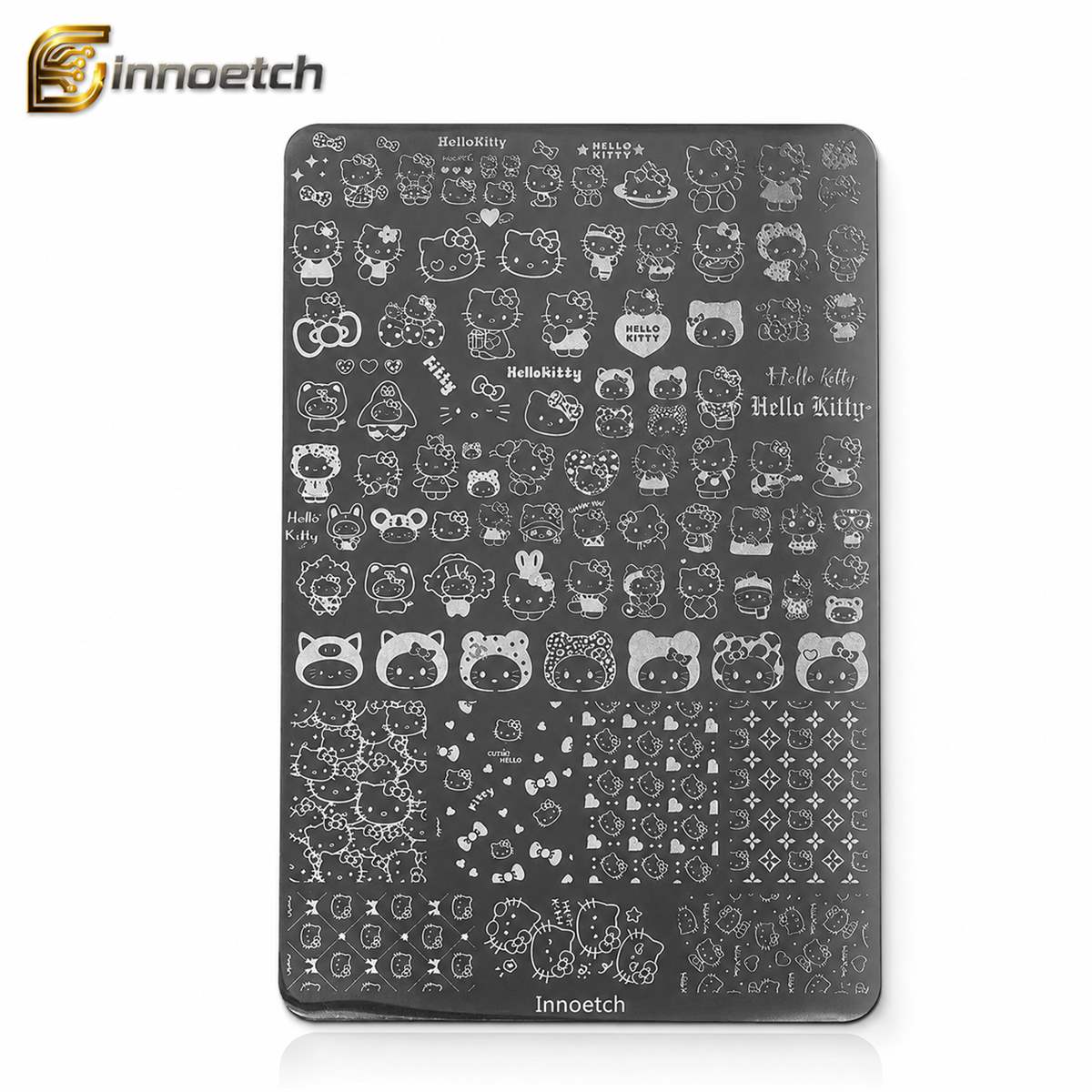
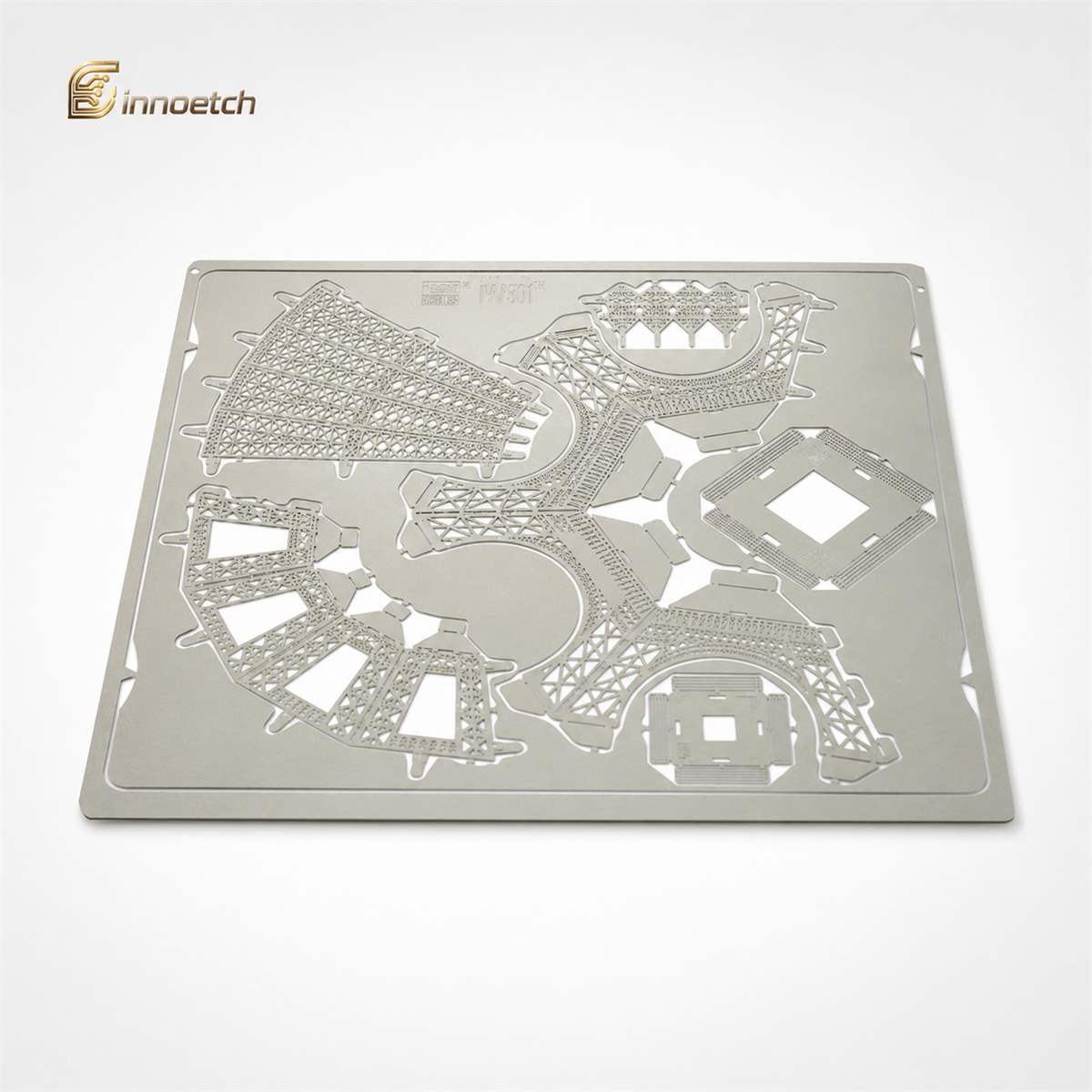
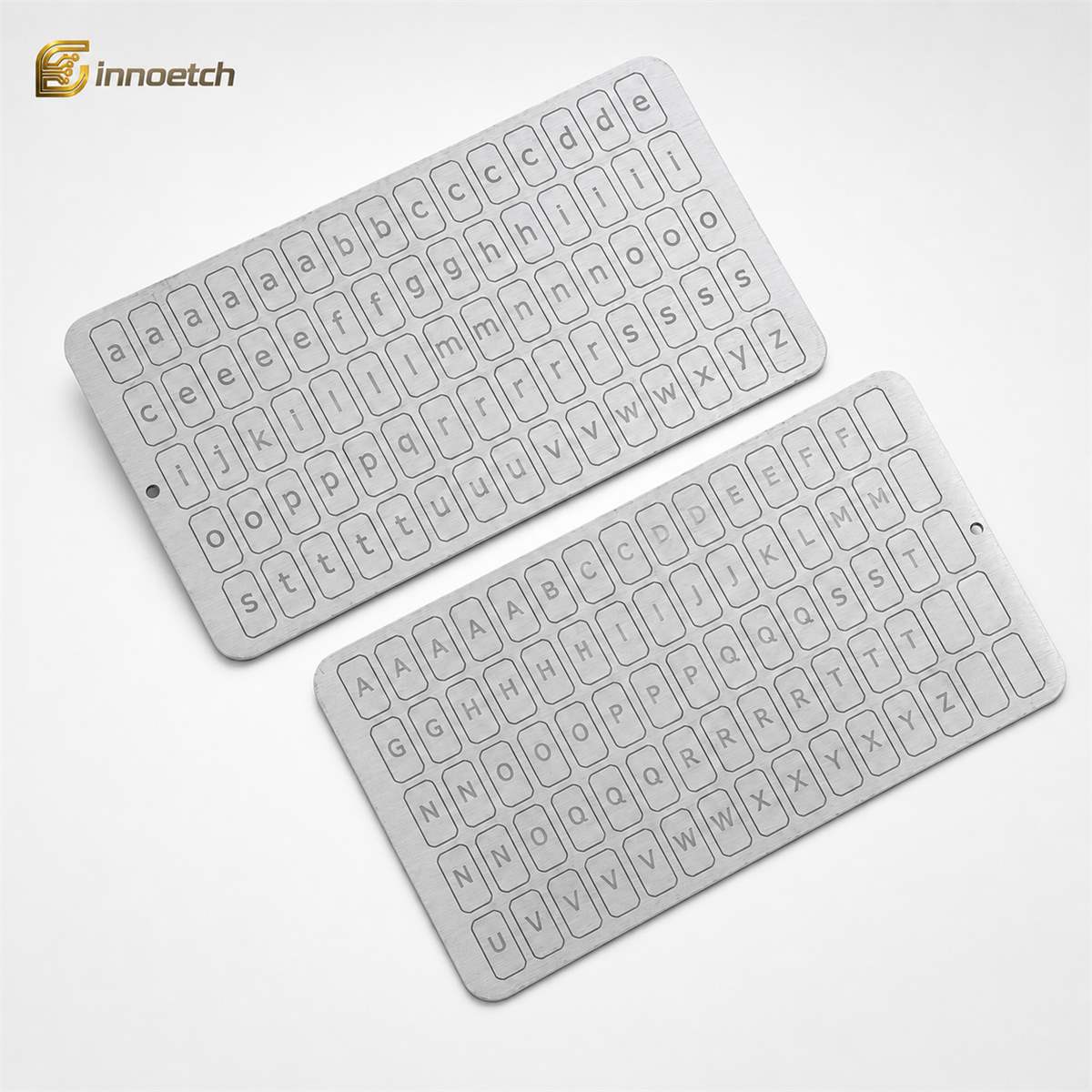
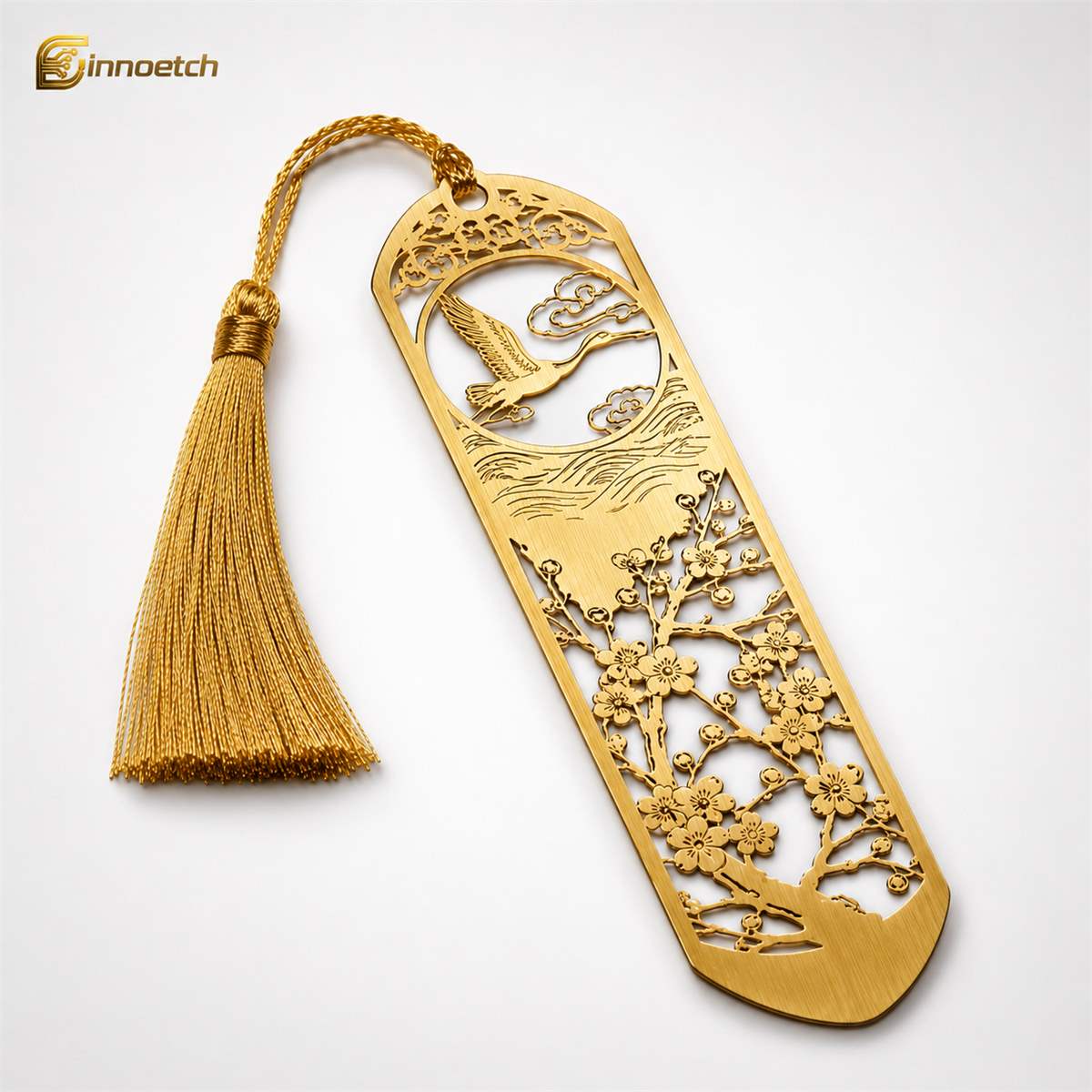
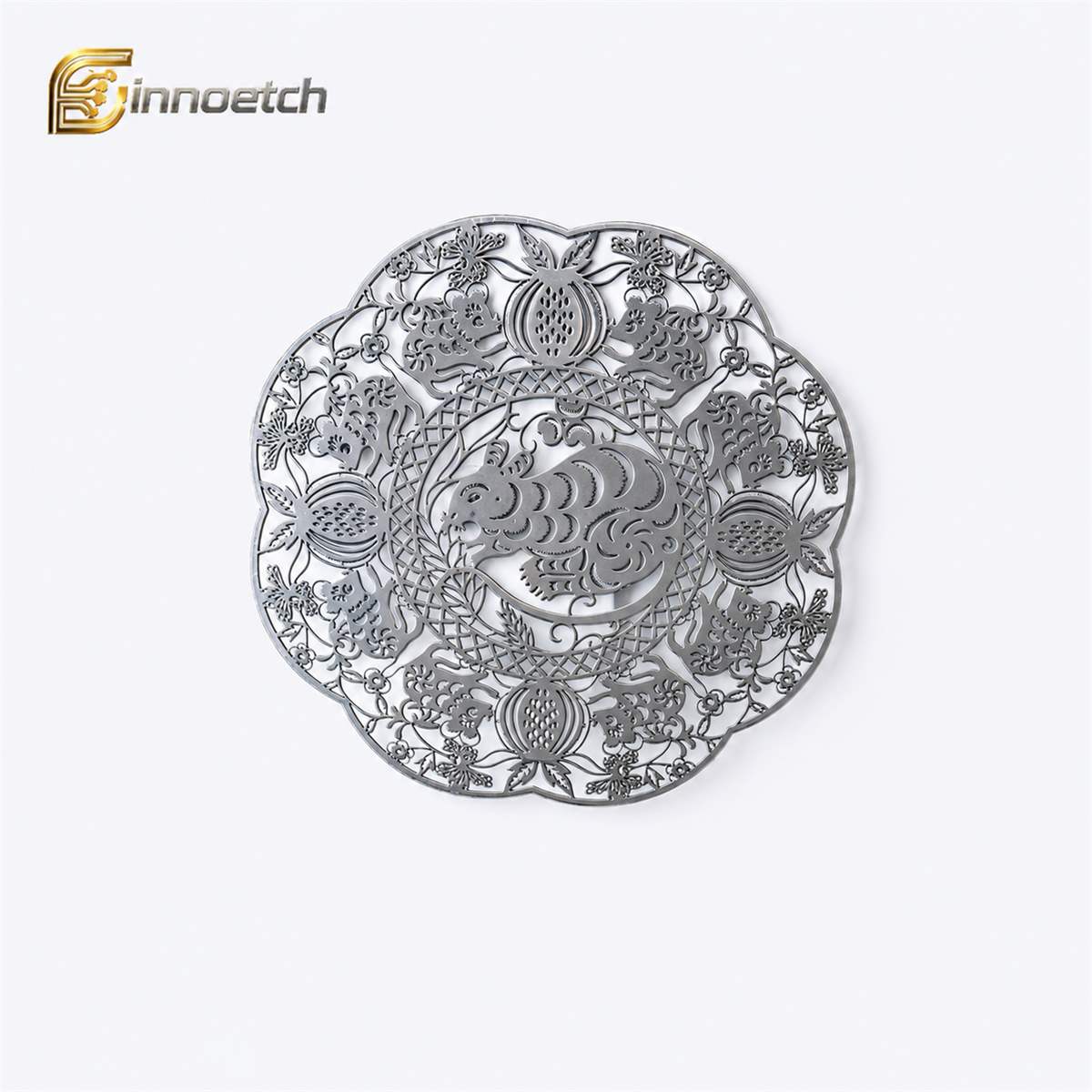
Metal etching is better for fine details and complex geometries. It can create dense holes, narrow slots, micro patterns, logos, and complex outlines from digital artwork.
Stamping can also be precise, but fine features may require expensive and delicate tooling. When the design includes small openings, thin bridges, or high-density patterns, stamping becomes harder to control.
For precision filters, metal mesh, encoder discs, camera spring parts, and electronic components, metal etching often provides greater design freedom.
Stamping requires hard tooling. This can be cost-effective for stable, high-volume parts, but it increases upfront investment. If the design changes, the die may need to be modified or remade.
Metal etching uses digital tooling. Design changes can often be made by updating the artwork file. This makes it ideal for prototypes, engineering validation, low-to-medium volumes, and custom product development.
For companies that need fast iteration, metal etching can reduce development risk and shorten time to market.
Metal etching produces burr-free edges because the material is chemically dissolved rather than mechanically sheared. This reduces the need for secondary deburring and helps improve consistency.
Stamping can leave burrs or sharp edges, especially when tools wear or when the part has very small features. Secondary finishing may be required, which adds cost and time.
Burr-free edges are important for filters, shims, electronic contacts, speaker grilles, medical parts, and any component where edge quality affects function or assembly.
Stamping applies pressure to the metal. This can introduce internal stress, bending, or deformation, especially in thin materials and delicate structures.
Metal etching does not press, stretch, or deform the material mechanically. It helps maintain flatness and material properties, which is critical for precision shims, thin stainless steel mesh, flexible springs, electronic shielding parts, and micro metal components.
Metal etching is often faster for prototypes because it does not require hard die manufacturing. Engineers can test several design versions quickly by changing the digital artwork.
Stamping prototypes may require prototype tooling or soft tooling, which can still take time and cost more than etched samples.
When a product is still in development, metal etching is usually the more flexible option.
Stamping is excellent for very high-volume production of simple parts. Once the die is finished and the design is stable, stamping can produce parts quickly and efficiently.
Metal etching is also suitable for batch production and mass production, especially for thin, complex, and high-precision parts. However, if a part is simple and produced in millions of pieces, stamping may be more economical.
The best choice depends on part complexity, tolerance, thickness, tooling budget, and expected volume.
For most thin, complex, flat precision parts, metal etching is the better choice. It provides clean edges, low stress, high design flexibility, and fast design changes without expensive hard tooling.
Stamping is better when the part needs forming, bending, embossing, or extremely high-speed production with a stable design.
A practical rule is this: if the part is thin, detailed, flat, and customized, choose metal etching. If the part is simple, formed, thick, and produced in very high volume, stamping may be better.
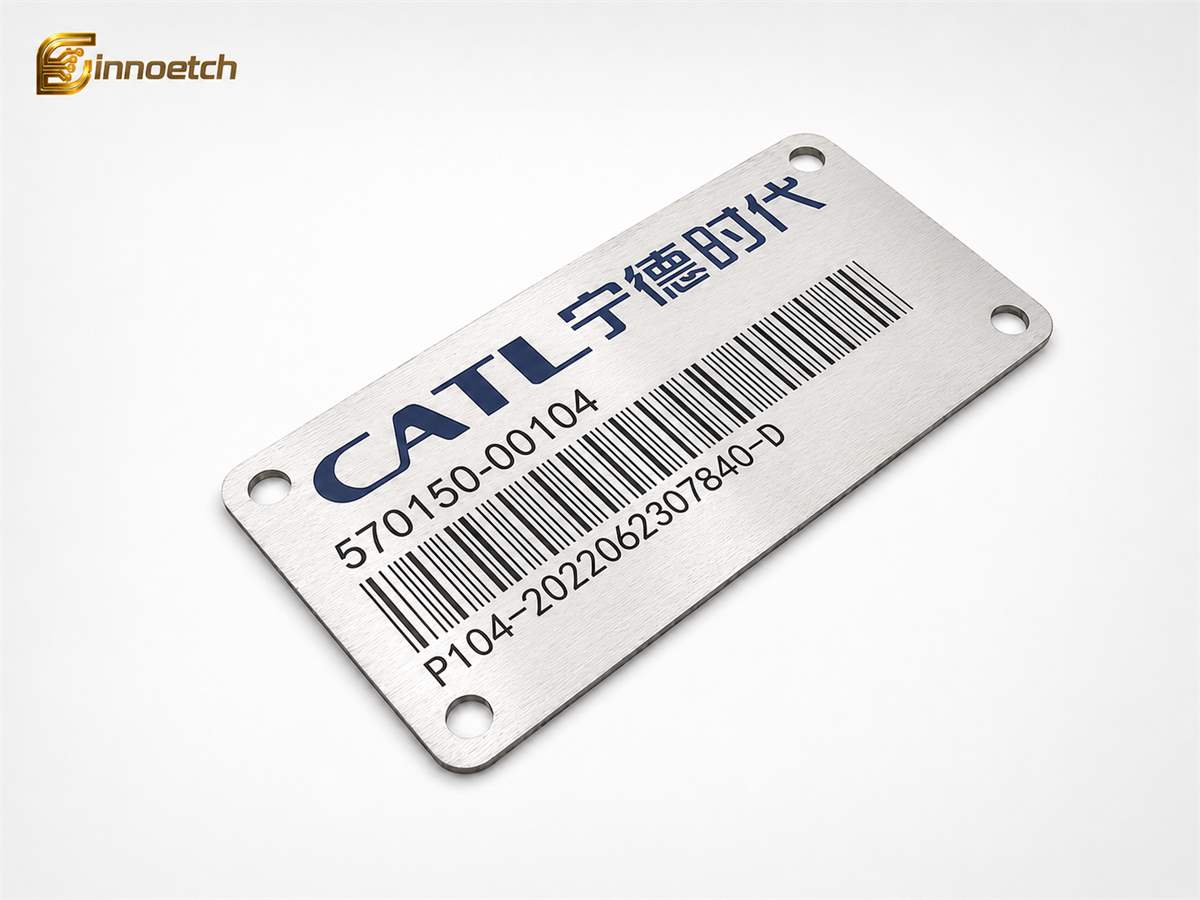
Metal etching is commonly used for precision metal mesh, stainless steel filters, speaker grilles, dust filter mesh, precision shims, encoder discs, battery current collectors, IC lead frames, camera spring parts, electronic shielding components, decorative nameplates, and custom thin metal parts.
These parts often require tight details, clean edges, stable flatness, and repeatable quality from prototype to mass production.
Q1: Is metal etching better than stamping?
Metal etching is better for thin, complex, high-precision parts that require burr-free edges, fine details, low stress, and flexible design changes. Stamping is better for simple, stable, high-volume parts.
Q2: Is metal etching cheaper than stamping?
Metal etching is often cheaper for prototypes, custom parts, small batches, and complex designs because it does not require expensive hard tooling. Stamping may be cheaper for simple parts in extremely high volumes.
Q3: Does metal etching create burrs?
No. Metal etching is a burr-free process because it removes metal chemically instead of cutting or punching it mechanically.
Q4: Can metal etching be used for mass production?
Yes. With stable process control and quality inspection, metal etching can support both prototype development and mass production.
Q5: When should I choose stamping?
Choose stamping when the part has a simple design, requires forming or bending, and will be produced in very high volumes with a stable design.
Q6: What materials can be metal etched?
Common etched materials include stainless steel, copper, brass, nickel, aluminum, titanium, and specialty alloys.
Metal etching and stamping both have value, but they serve different manufacturing needs. For precision parts with thin materials, complex patterns, clean edges, and frequent design changes, metal etching is usually the better process. For simple, formed parts in extremely high volumes, stamping may be more cost-effective.
For custom precision metal mesh, shims, filters, electronic components, semiconductor parts, and other thin metal components, precision metal etching offers a flexible and reliable path from prototype development to mass production.
Metal Etching vs Stamping: Which Is Better for Precision Parts? is widely used in precision metal etching applications where clean edges, tight tolerances, complex patterns and stable performance are required. Typical industries include electronics, semiconductors, sensors, fuel cells, acoustic components, EMI shielding, thermal management and precision mechanical parts.
Metal Etching vs Stamping: Which Is Better for Precision Parts? is a precision metal component manufactured by photochemical etching for applications requiring accurate dimensions, smooth edges and reliable performance.
Common materials include stainless steel, copper, brass, nickel silver, titanium, aluminum and other thin metal sheets depending on the application requirements.
INNOETCH can process thin metal materials from approximately 0.02 mm to 1.5 mm, depending on material type, part structure and tolerance requirements.
For many precision etched parts, tolerances can reach ±0.01 mm to ±0.05 mm, depending on material thickness, design complexity and production volume.
Chemical etching does not require expensive hard tooling and can produce fine patterns, complex shapes and burr-free edges without mechanical deformation.
Yes. INNOETCH supports custom drawings, materials, thicknesses, hole patterns, surface finishes, dimensions and prototype-to-mass-production requirements.
2D drawings, DXF files, DWG files, STEP files, material requirements, thickness, tolerance, quantity and application details are recommended for accurate quotation.
You can send your drawings and technical requirements to INNOETCH. Our engineering team will review the design and provide a quotation.