
Explains vapor chambers and how etched internal channels help spread heat in smartphones, electronics, and compact thermal modules.
A vapor chamber is a flat, sealed heat spreader that uses a small amount of working fluid inside a vacuum chamber to transfer heat. When heat reaches the evaporator area, the fluid vaporizes. The vapor moves to cooler areas, condenses back into liquid, and releases heat. The liquid then returns to the hot area through a wick or capillary structure.
In simple terms, a vapor chamber is like a flat heat pipe. It spreads heat in two dimensions, making it useful for thin electronic devices and high-power components.
A vapor chamber works through evaporation, vapor movement, condensation, and liquid return.
When a chip, battery, LED, or power module generates heat, the working fluid inside the vapor chamber absorbs that heat and turns into vapor. The vapor quickly spreads across the internal cavity toward cooler regions. Once it reaches the condenser area, it releases heat and turns back into liquid. A wick structure or capillary channel then moves the liquid back to the hot zone so the cycle can continue.
This repeated phase-change cycle allows a vapor chamber to spread heat rapidly and reduce hot spots.
A typical vapor chamber includes a sealed metal shell, internal cavity, working fluid, wick structure, support columns, and bonding or sealing edges.
The metal shell is usually made from copper, stainless steel, titanium, aluminum, or other thermally suitable materials. The working fluid is selected according to the operating temperature. For many electronics cooling applications, water is commonly used inside copper-based vapor chambers.
The wick or capillary structure is critical because it returns condensed liquid to the heat source. Without reliable liquid return, the evaporator area can dry out and thermal performance may drop.
A heat pipe usually transfers heat mainly in one direction along a tube. A vapor chamber spreads heat across a flat two-dimensional surface.
This makes vapor chambers especially useful when heat comes from a small, concentrated source and needs to be distributed across a larger cooling area. For example, a CPU or GPU may create a localized hot spot, while the vapor chamber spreads that heat to a larger heatsink or metal frame.
Heat pipes are often better for moving heat from one location to another. Vapor chambers are often better for spreading heat evenly across a compact, flat area.
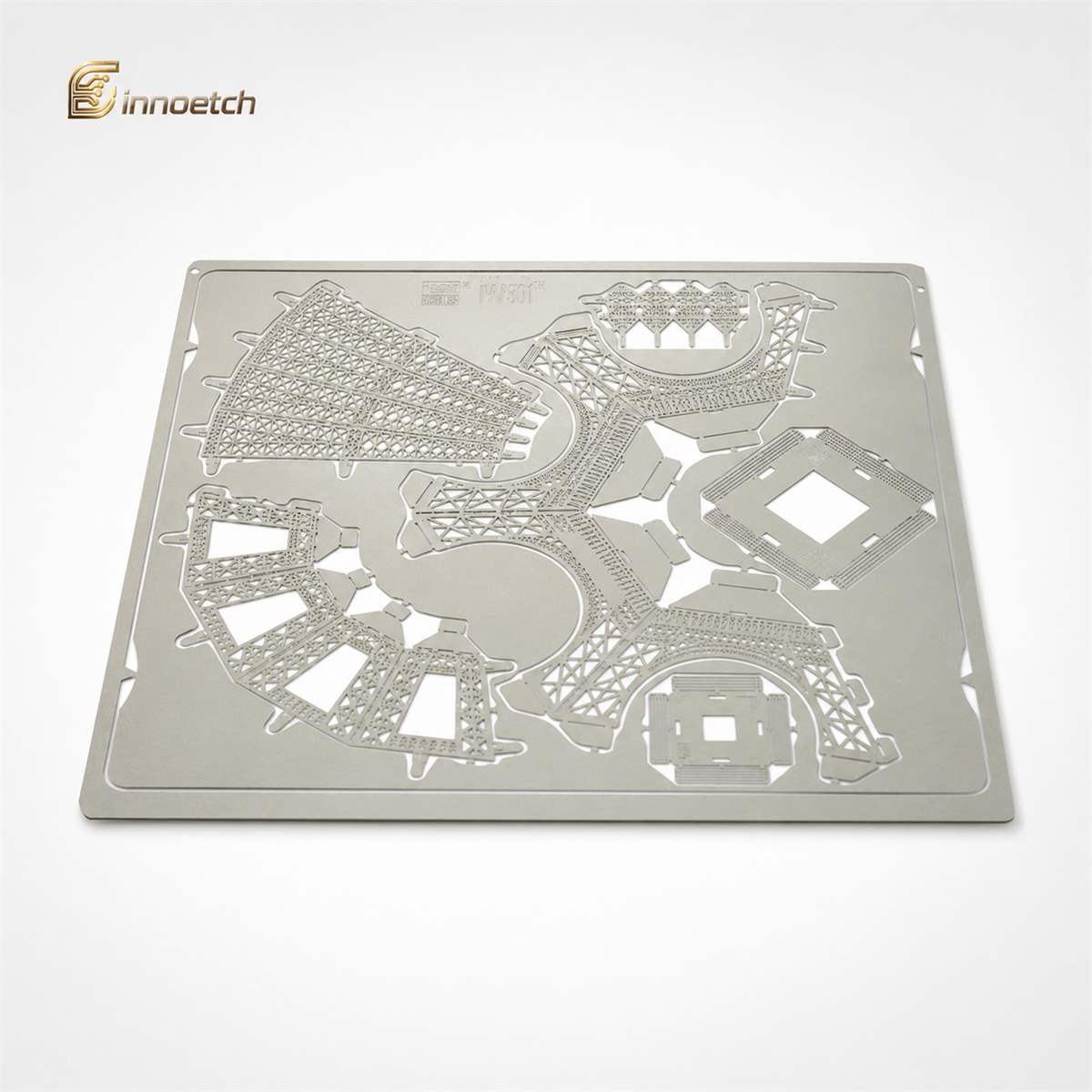
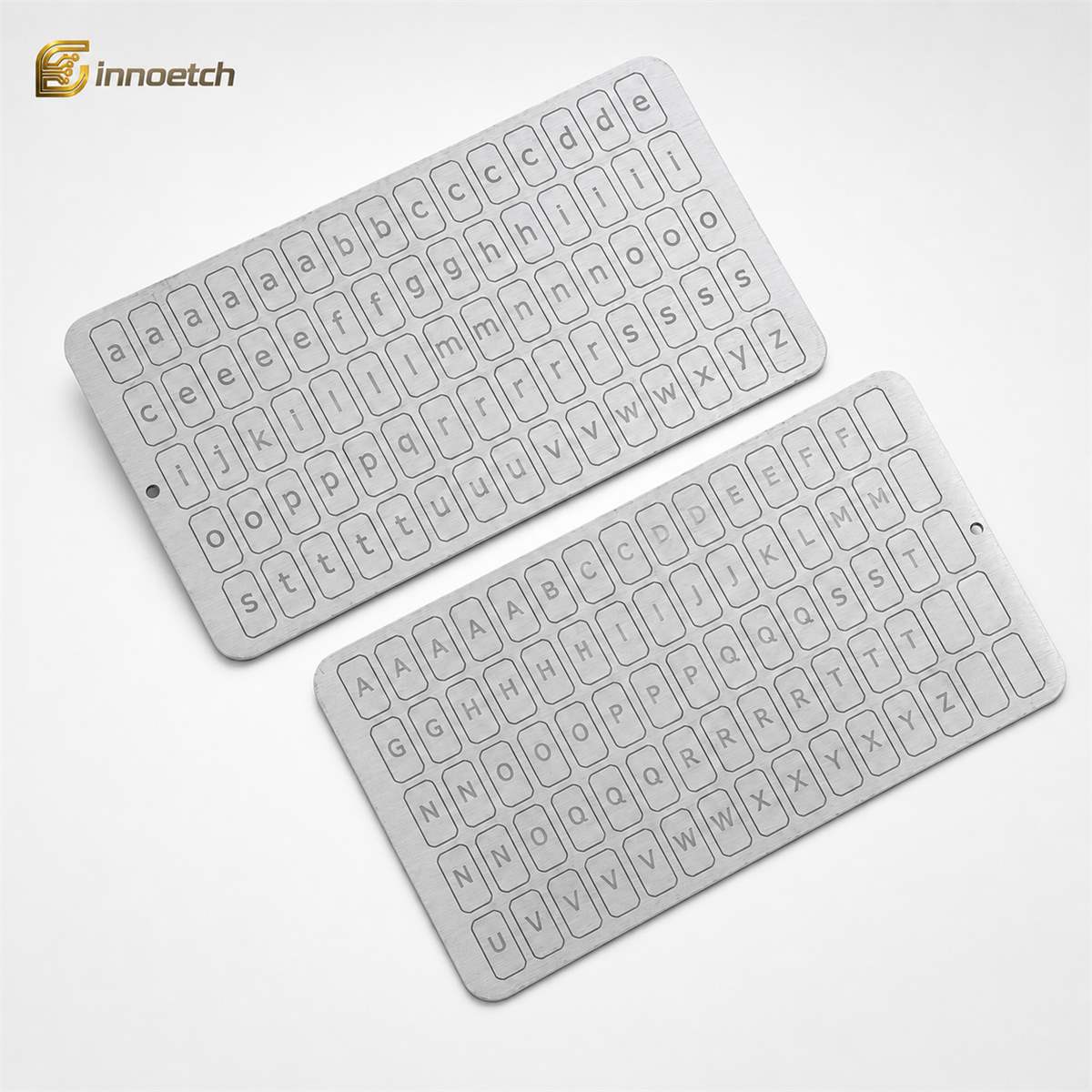
Precision metal etching is valuable for vapor chamber components because it can create fine patterns, micro grooves, capillary structures, support features, and thin metal plates without burrs, mechanical stress, or heat-affected zones.
Compared with stamping, chemical etching allows faster design changes and does not require expensive hard tooling for every pattern update. Compared with laser cutting, it avoids thermal distortion and edge damage on thin metal foils.
For custom vapor chamber plates and related thermal management parts, etched metal components can support thinner designs, accurate internal structures, and stable repeatability from prototype development to batch production.
Vapor chambers are widely used in high-performance and compact thermal systems, including smartphones, tablets, laptops, gaming consoles, servers, graphics cards, power modules, LED lighting, telecom devices, automotive electronics, and industrial control systems.
They are especially useful when a product needs thin structure, fast heat spreading, lower hot-spot temperature, and stable thermal performance in limited space.
Q1: What is a vapor chamber used for?
A vapor chamber is used to spread heat away from high-power components such as CPUs, GPUs, batteries, LEDs, power modules, and compact electronic devices.
Q2: Is a vapor chamber the same as a heat pipe?
No. A vapor chamber works like a flat heat pipe, but it spreads heat in two dimensions, while a traditional heat pipe usually transfers heat along one main direction.
Q3: What materials are used for vapor chambers?
Common materials include copper, stainless steel, titanium, aluminum, and other thermal metals. Copper is widely used in electronics cooling because of its high thermal conductivity.
Q4: Why is the wick structure important?
The wick structure returns condensed liquid to the hot area through capillary action. It helps prevent dry-out and supports continuous heat transfer.
Q5: Can vapor chamber plates be made by chemical etching?
Yes. Chemical etching can be used to create thin vapor chamber plates, micro grooves, capillary patterns, support structures, and custom internal features with clean edges and high precision.
Q6: Which industries use vapor chambers?
Vapor chambers are used in consumer electronics, data centers, power electronics, LED lighting, telecommunications, automotive electronics, and industrial equipment.
A vapor chamber is a flat, sealed thermal component that uses phase-change heat transfer to spread heat quickly and evenly. It is widely used when electronic products need high thermal performance in a thin and compact structure.
For ultra-thin vapor chamber plates, etched wick patterns, micro grooves, support structures, and custom thermal management components, precision metal etching offers a flexible and reliable manufacturing method from prototype development to mass production.
What Is a Vapor Chamber? is widely used in precision metal etching applications where clean edges, tight tolerances, complex patterns and stable performance are required. Typical industries include electronics, semiconductors, sensors, fuel cells, acoustic components, EMI shielding, thermal management and precision mechanical parts.
What Is a Vapor Chamber? is a precision metal component manufactured by photochemical etching for applications requiring accurate dimensions, smooth edges and reliable performance.
Common materials include stainless steel, copper, brass, nickel silver, titanium, aluminum and other thin metal sheets depending on the application requirements.
INNOETCH can process thin metal materials from approximately 0.02 mm to 1.5 mm, depending on material type, part structure and tolerance requirements.
For many precision etched parts, tolerances can reach ±0.01 mm to ±0.05 mm, depending on material thickness, design complexity and production volume.
Chemical etching does not require expensive hard tooling and can produce fine patterns, complex shapes and burr-free edges without mechanical deformation.
Yes. INNOETCH supports custom drawings, materials, thicknesses, hole patterns, surface finishes, dimensions and prototype-to-mass-production requirements.
2D drawings, DXF files, DWG files, STEP files, material requirements, thickness, tolerance, quantity and application details are recommended for accurate quotation.
You can send your drawings and technical requirements to INNOETCH. Our engineering team will review the design and provide a quotation.