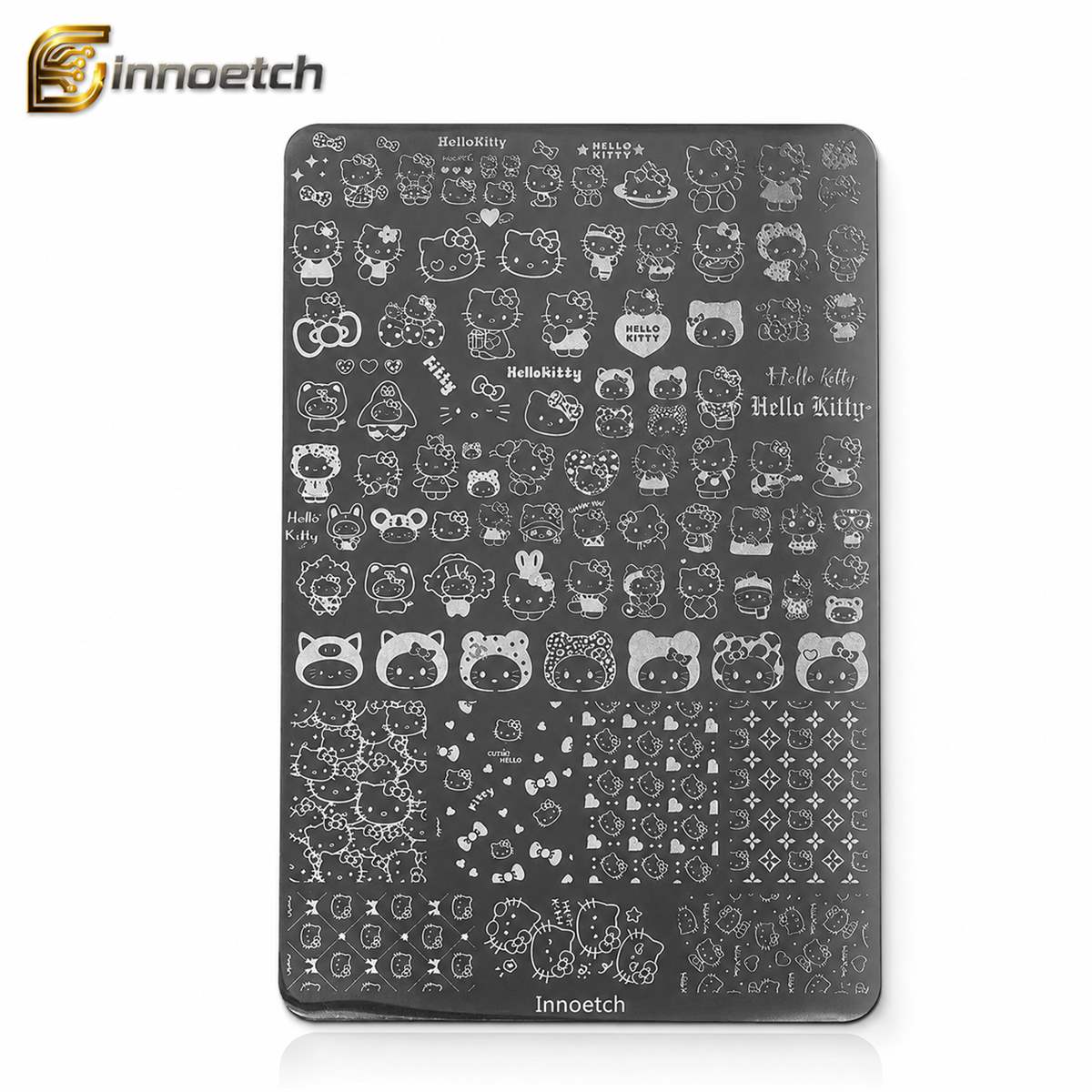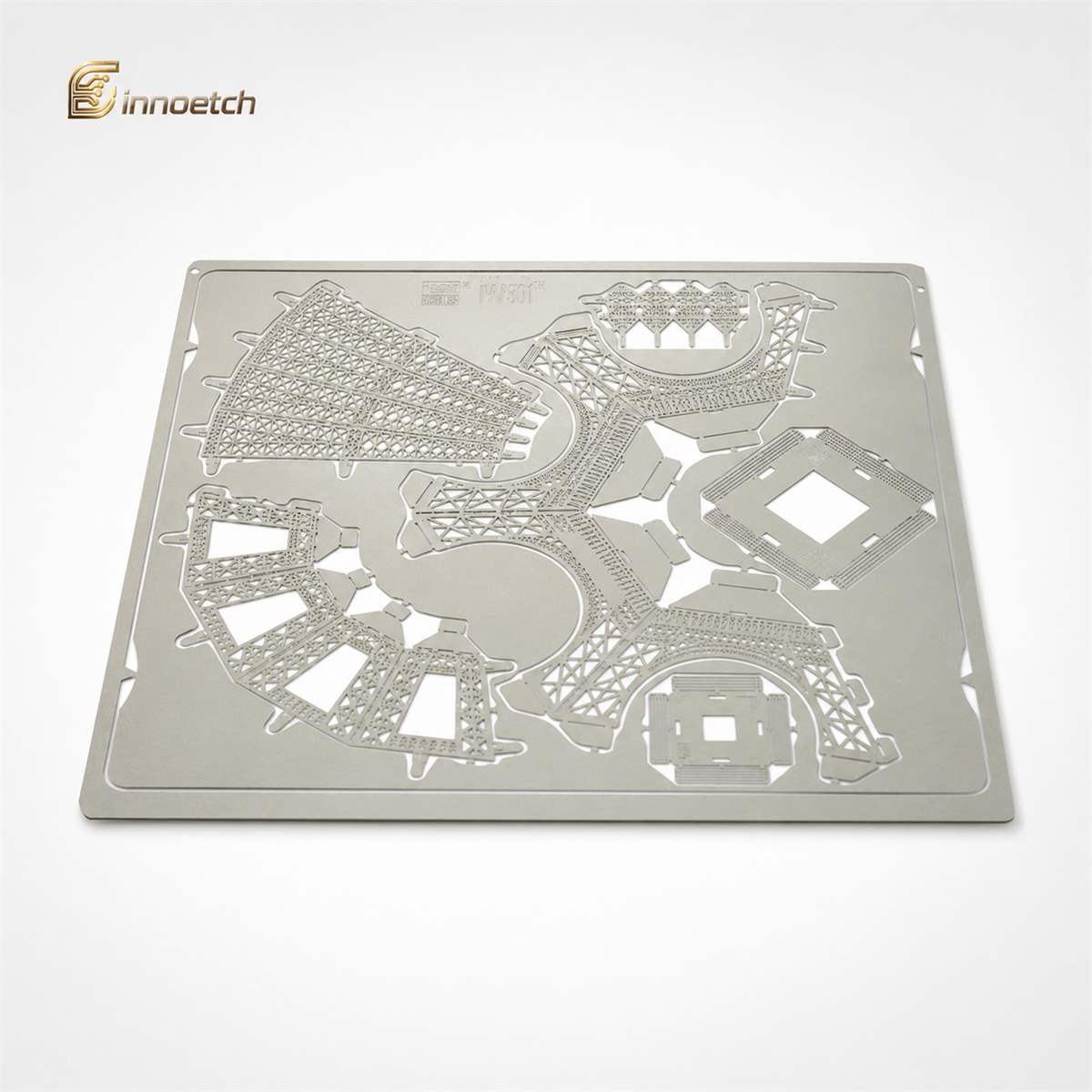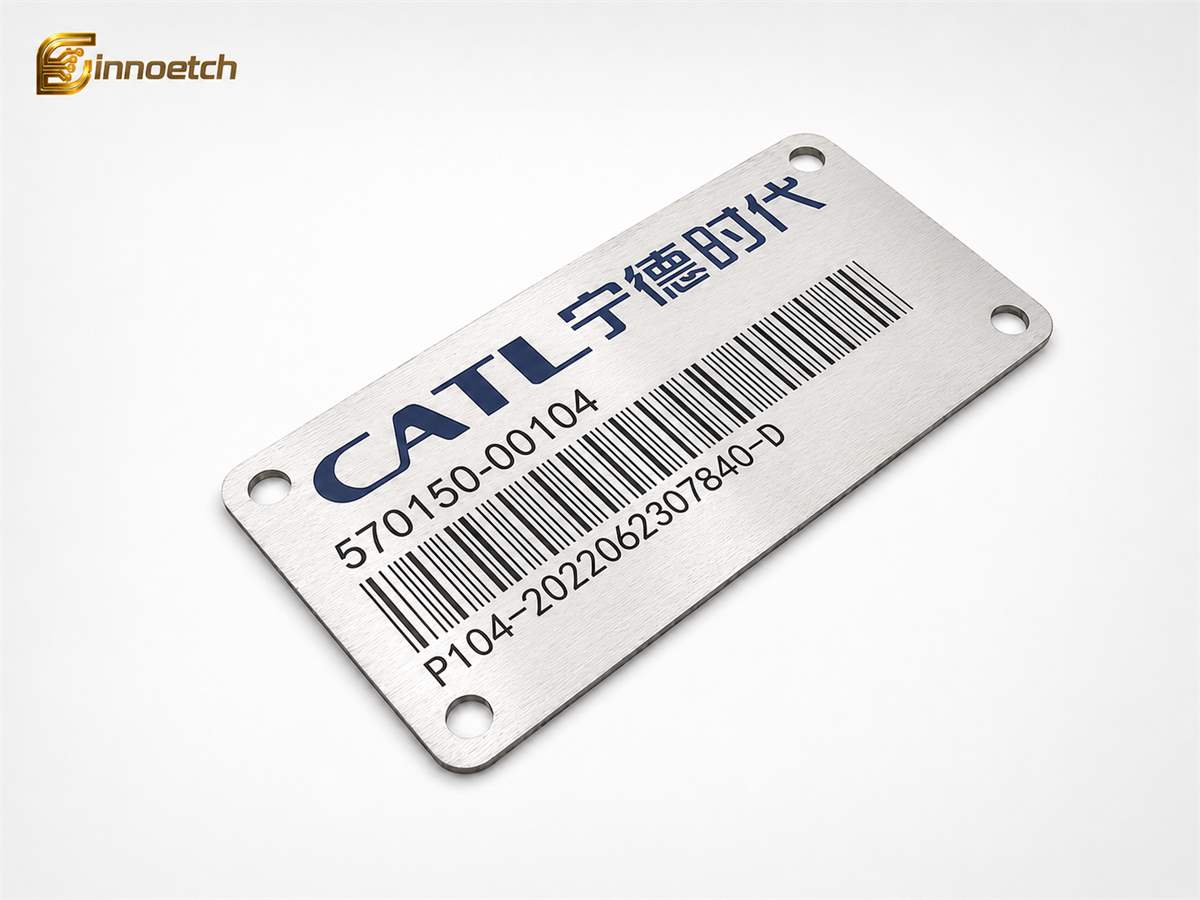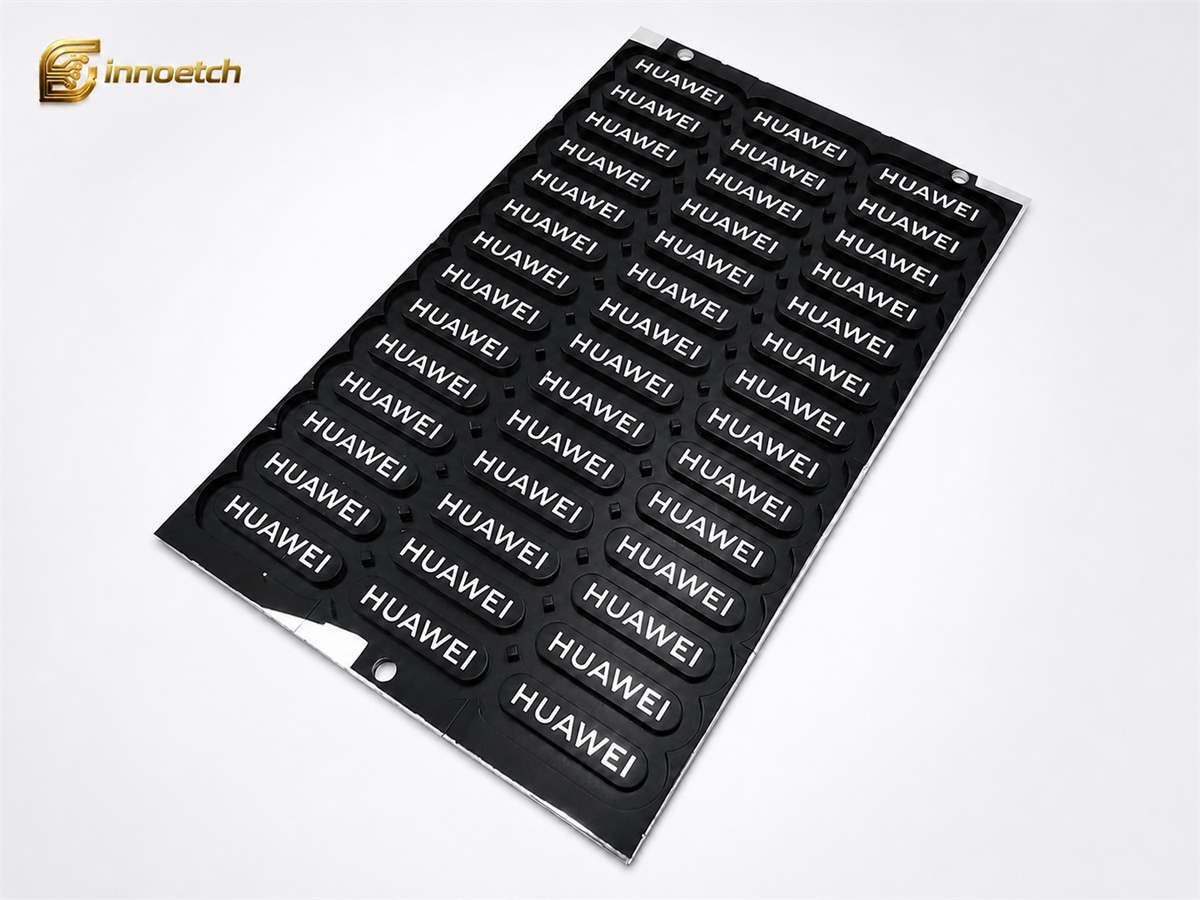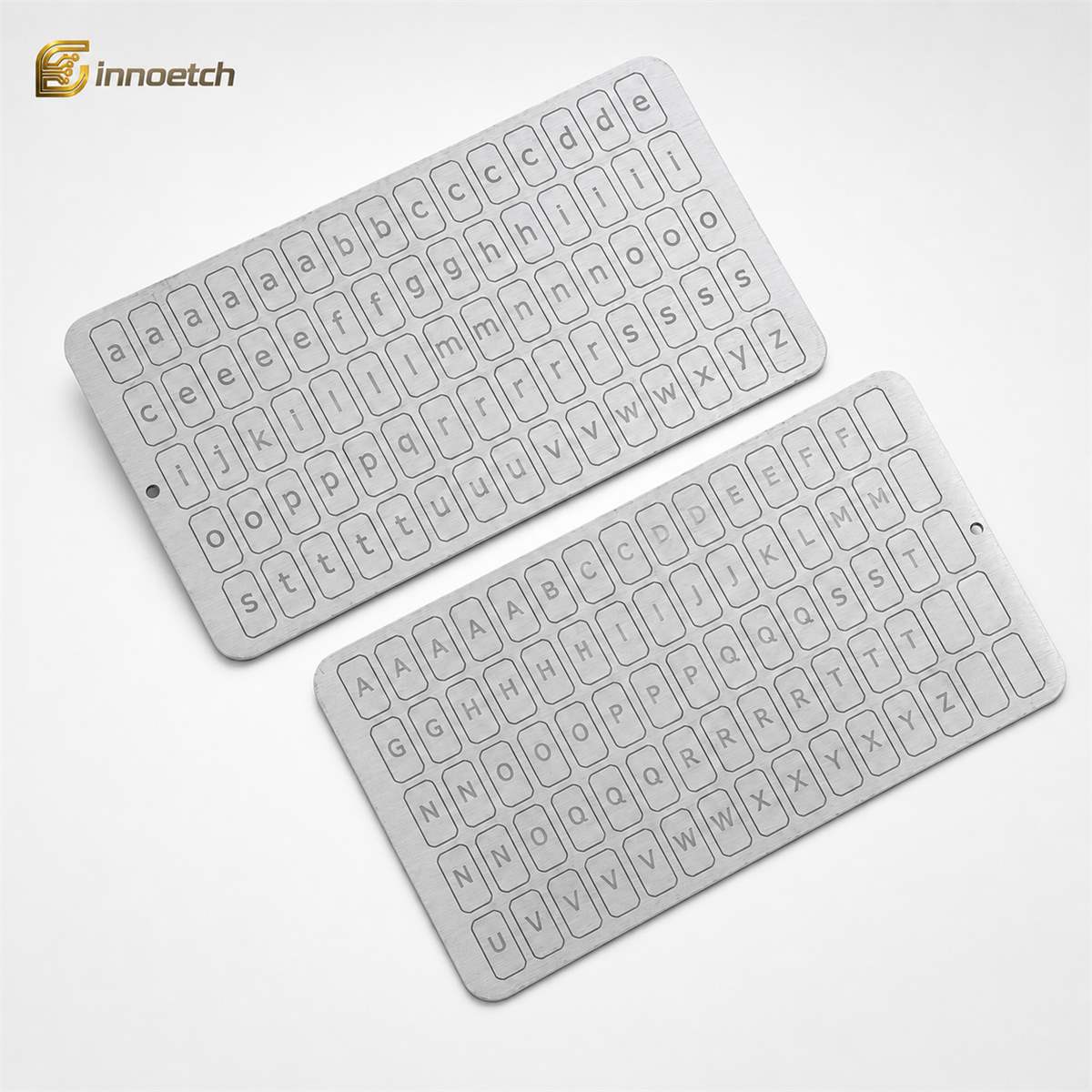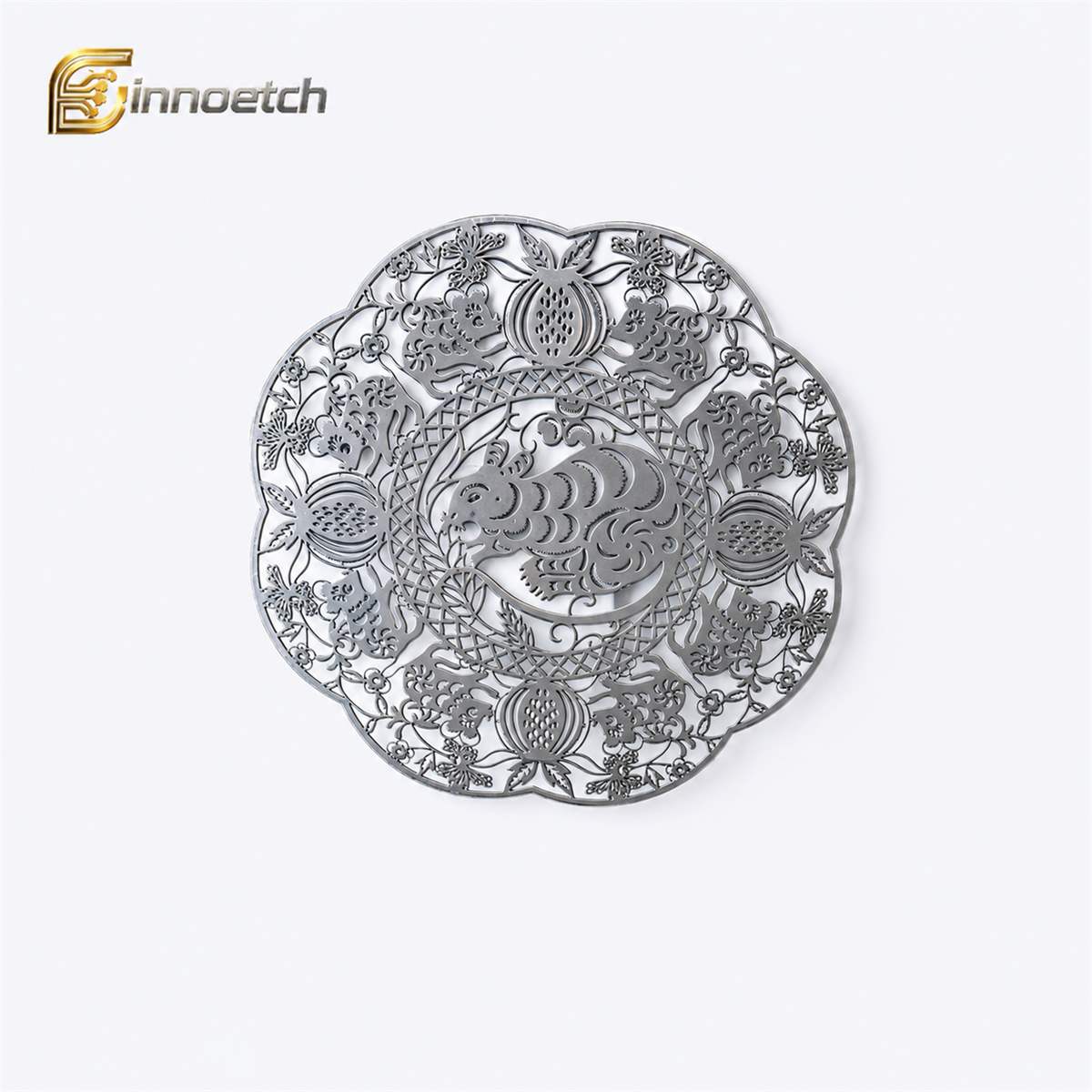

Introduces metal etching and its workflow, from CAD artwork and photoresist exposure to chemical etching and inspection.
The metal etching process usually starts with a CAD drawing or product design. The design is transferred onto a metal sheet using a photosensitive resist. This resist works like a protective mask, covering the areas that should remain after etching.
After exposure and development, the unprotected metal areas are treated with an etching solution. The chemical solution removes the exposed metal in a controlled way until the required shape, hole, or pattern is formed. The remaining resist is then stripped away, and the finished parts are cleaned and inspected.
A typical precision metal etching workflow includes: material selection, surface cleaning, photoresist coating, artwork exposure, developing, chemical etching, stripping, cleaning, inspection, and packaging.
Many metals and alloys can be chemically etched, including stainless steel, copper, brass, nickel, aluminum, titanium, and various specialty alloys. Stainless steel is one of the most common materials because it offers strength, corrosion resistance, and dimensional stability.
Material choice depends on the application. For example, stainless steel is often used for filters, meshes, shims, and structural parts, while copper and nickel alloys are often selected for electronic and electrical components.
Metal etching is especially valuable when a part has fine details, tight tolerances, thin material, or complex patterns. Unlike stamping, it does not require expensive hard tooling, which makes it suitable for prototypes and design changes. Unlike laser cutting, it does not create heat-affected edges or thermal deformation.
For parts such as precision metal mesh, speaker grilles, dust filters, elastic shims, and electronic components, chemical etching can deliver clean edges, consistent repeatability, and efficient production from prototype to volume manufacturing.
Metal etching is used across electronics, automotive, medical devices, home appliances, telecommunications, filtration, audio products, and industrial equipment. The process is ideal for components that need accuracy, small openings, lightweight structures, or repeatable patterns.
Common etched metal parts include stainless steel filters, dust filter mesh, speaker grilles, camera spring parts, precision shims, encoder discs, battery current collectors, decorative nameplates, and custom mechanical components.
The key benefits of metal etching are precision, flexibility, clean edges, fast prototyping, and no burrs. Since the process does not rely on mechanical cutting force, it can maintain the flatness and performance of thin metal parts.
It also supports complex geometries without increasing tooling complexity. This makes it a strong choice for companies that need custom etched metal components with consistent quality and scalable production.
Q1: Is metal etching the same as chemical etching?
Yes. Metal etching is often called chemical etching when chemicals are used to remove selected metal areas. Photochemical etching is a more precise version that uses photoresist and artwork imaging.
Q2: Does metal etching create burrs?
No. Because metal is removed chemically rather than mechanically, the process produces burr-free edges and reduces the need for secondary deburring.
Q3: Is metal etching suitable for prototypes?
Yes. Metal etching is well suited for prototypes because it does not require expensive stamping dies and allows design changes to be made quickly.
Q4: Can metal etching be used for mass production?
Yes. With controlled process parameters and quality inspection, precision metal etching can support both small-batch and high-volume production.
Q5: What industries use precision metal etching?
Precision metal etching is used in electronics, automotive, filtration, audio, medical, telecommunications, home appliances, and industrial manufacturing.
Metal etching is a reliable and flexible manufacturing process for producing precise, thin, and complex metal components. By using controlled chemical reactions instead of mechanical force or heat, it creates clean, burr-free parts with excellent repeatability.
For businesses that need custom etched metal parts, precision meshes, filters, shims, or electronic components, working with an experienced metal etching manufacturer can improve product quality, shorten development cycles, and support stable production.
What Is Metal Etching and How Does It Work? is widely used in precision metal etching applications where clean edges, tight tolerances, complex patterns and stable performance are required. Typical industries include electronics, semiconductors, sensors, fuel cells, acoustic components, EMI shielding, thermal management and precision mechanical parts.
What Is Metal Etching and How Does It Work? is a precision metal component manufactured by photochemical etching for applications requiring accurate dimensions, smooth edges and reliable performance.
Common materials include stainless steel, copper, brass, nickel silver, titanium, aluminum and other thin metal sheets depending on the application requirements.
INNOETCH can process thin metal materials from approximately 0.02 mm to 1.5 mm, depending on material type, part structure and tolerance requirements.
For many precision etched parts, tolerances can reach ±0.01 mm to ±0.05 mm, depending on material thickness, design complexity and production volume.
Chemical etching does not require expensive hard tooling and can produce fine patterns, complex shapes and burr-free edges without mechanical deformation.
Yes. INNOETCH supports custom drawings, materials, thicknesses, hole patterns, surface finishes, dimensions and prototype-to-mass-production requirements.
2D drawings, DXF files, DWG files, STEP files, material requirements, thickness, tolerance, quantity and application details are recommended for accurate quotation.
You can send your drawings and technical requirements to INNOETCH. Our engineering team will review the design and provide a quotation.